
The Gold Line adds 18 stations across 15 areas, bringing metro access to six communities for the first time. In Dubai, property markets have historically reacted early to metro announcements, with movement typically starting well before completion. As a result, early activity is expected in the period between announcement and the 2032 opening.
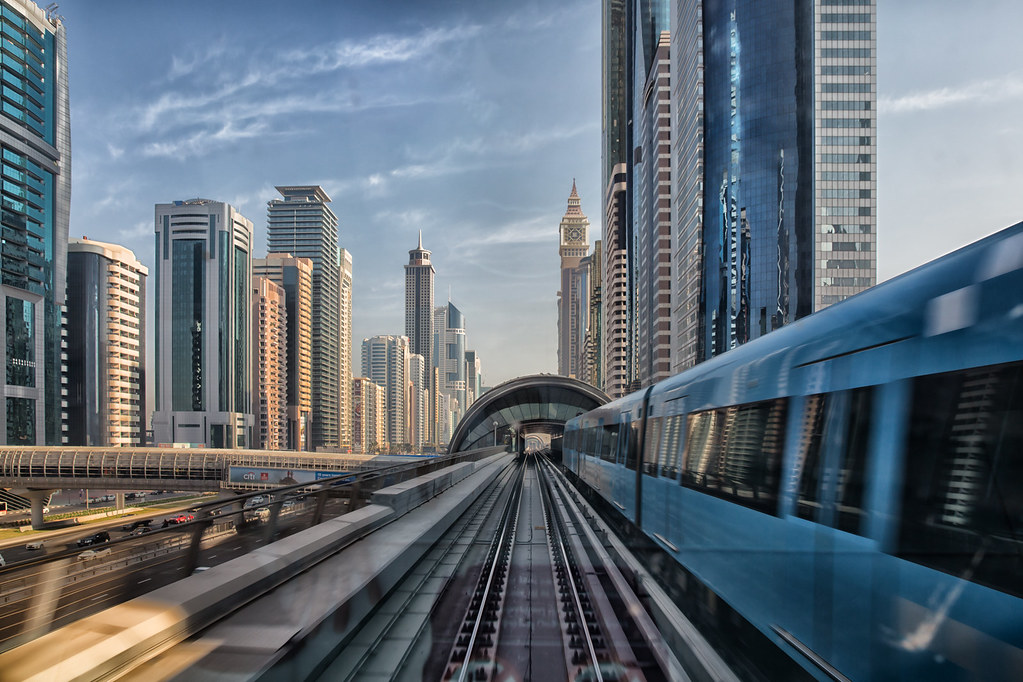
On 22 April 2026, Sheikh Mohammed bin Rashid Al Maktoum approved the Dubai Metro Gold Line, the largest transport project in the emirate's history. The line will run entirely underground, adding 18 stations and expanding the network by 35%. The current network — the Red Line, Green Line, and Route 2020 — carries around one million passengers daily. The Gold Line is expected to add up to 465,000 daily riders by 2040 and reduce congestion on the Red Line, particularly between BurJuman and ONPASSIVE, by 23%.
Unlike earlier metro lines that primarily served established districts such as Downtown, Dubai Marina, and Deira, the Gold Line extends into fast-growing areas that currently have no metro access. These include Meydan, MBR City, Nad Al Sheba, JVC, and Jumeirah Golf Estates. It will also connect to Etihad Rail at Meydan and Jumeirah Golf Estates, linking the metro to the national rail network for the first time. Passenger services on Etihad Rail are expected to launch this year.
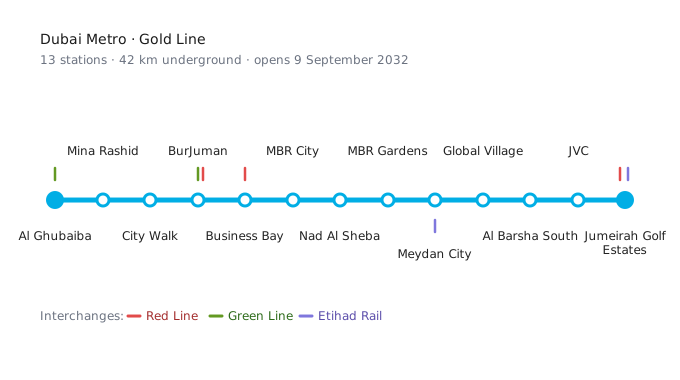
Areas Along the Route
The Gold Line runs from Al Ghubaiba in Bur Dubai to Jumeirah Golf Estates in the southwest. Below are the key areas along the route, focusing on those gaining metro access for the first time or becoming major interchange points.
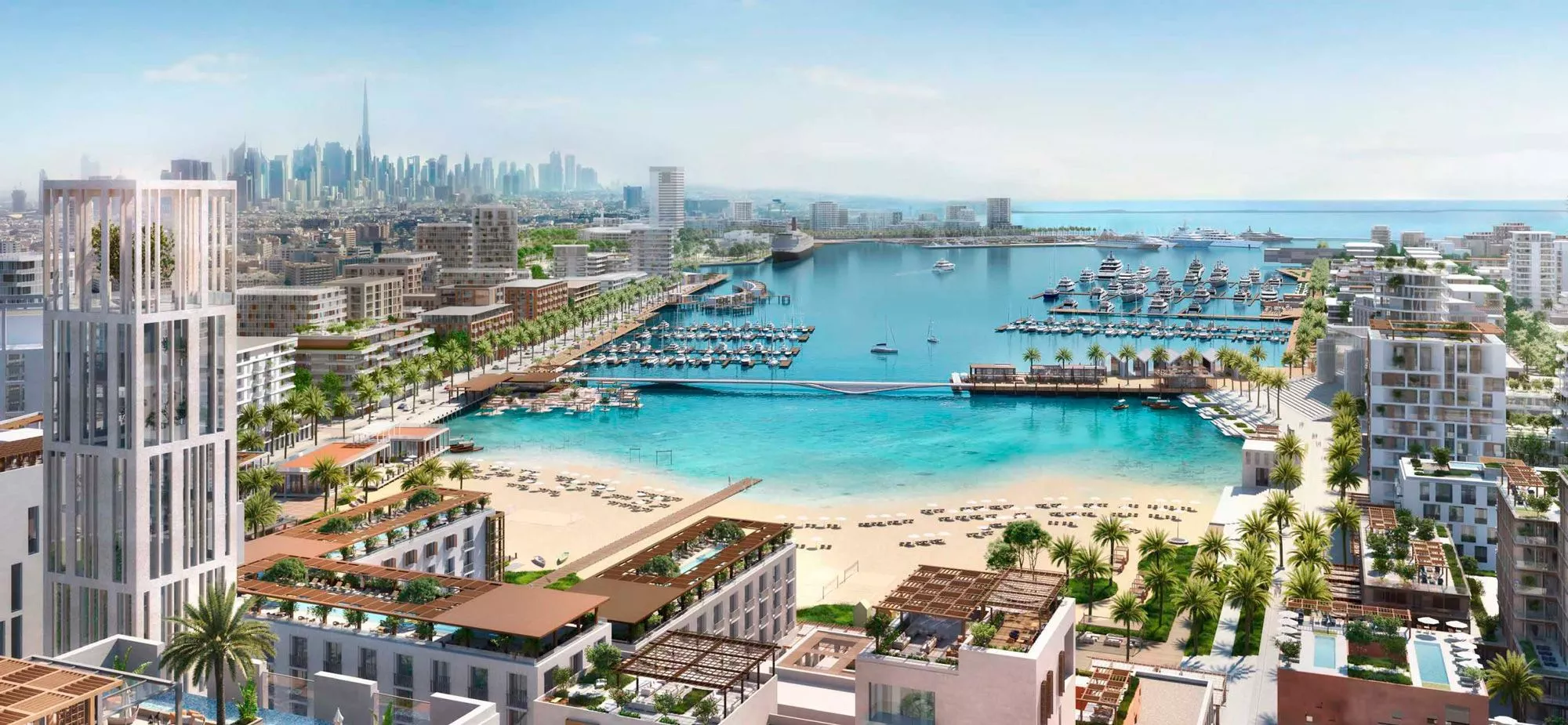
A waterfront development by DP World along Dubai's historic port, including residential towers, a marina, cruise facilities, and a waterfront promenade. Key developments include Emaar's Marina Vista and Palace Residences.
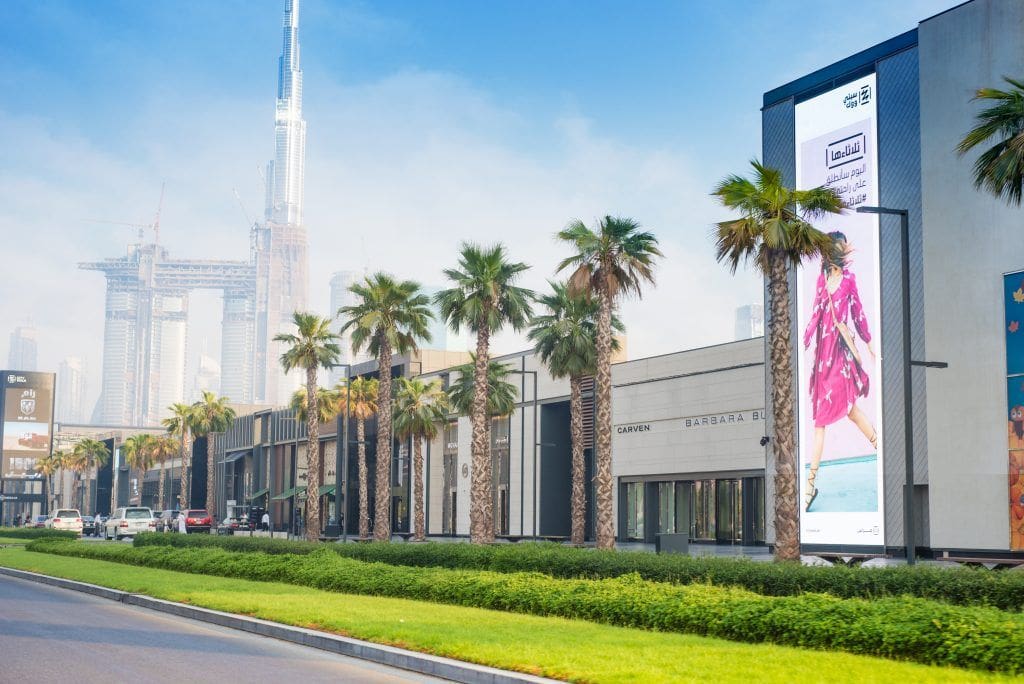
A mixed-use district in Jumeirah developed by Meraas, featuring retail, dining, hotels, and branded residences in a pedestrian-focused layout. Currently only accessible by car or taxi.

Dubai's primary CBD extension, running along the Dubai Water Canal. One of the most active residential and commercial markets in the city, already served by the Red Line.
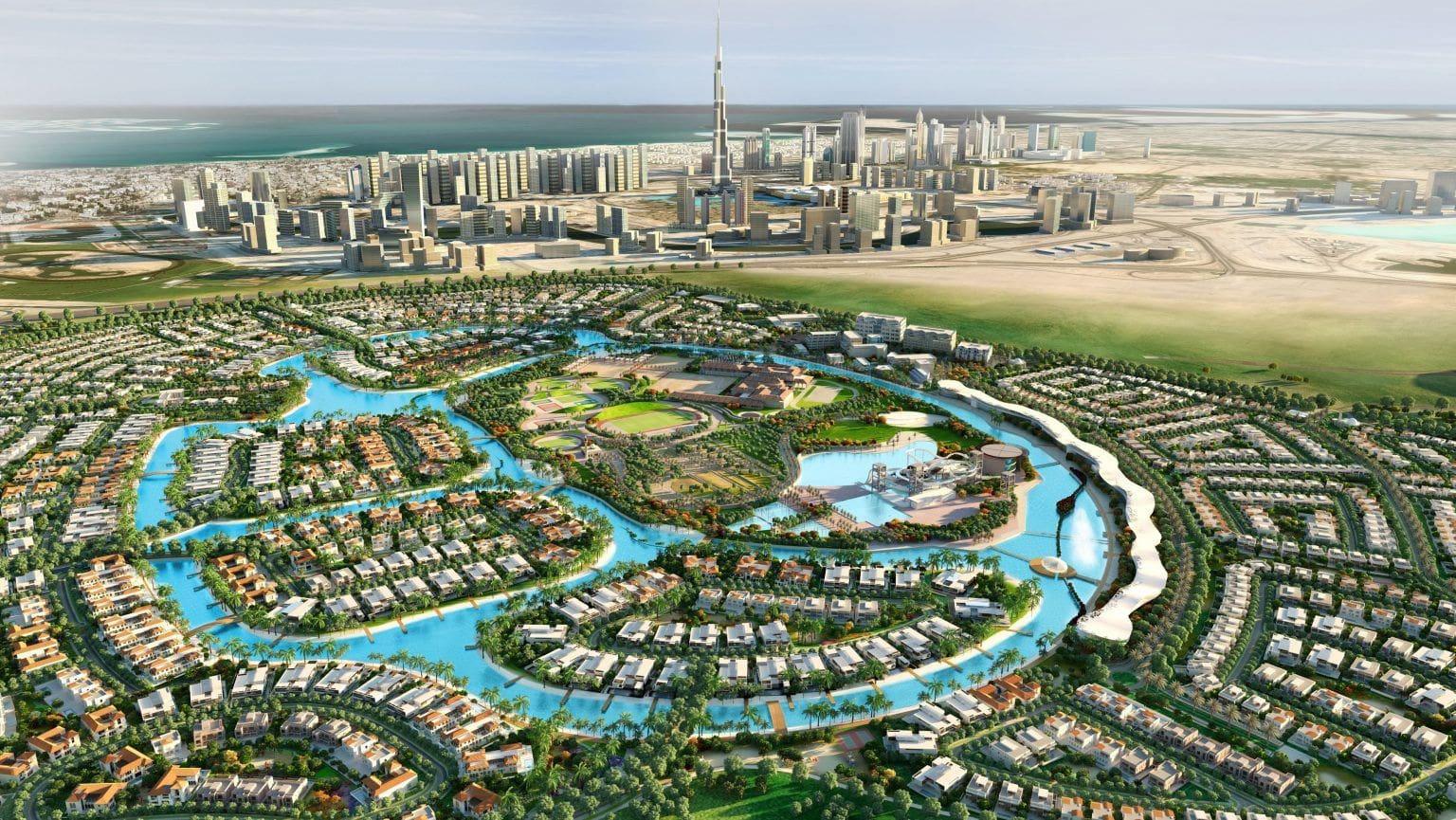
One of Dubai's largest master-planned developments, covering over 54 million sq ft, including District One, Sobha Hartland, and multiple ongoing residential developments.

A growing villa community adjacent to the Meydan Racecourse, popular with families for its spacious plots and relatively accessible price points compared to older established villa districts. Active development by Meraas and Nakheel.

A mixed-use district built around Meydan Racecourse, home to the Dubai World Cup and a growing number of residential and commercial developments. The area continues to expand as part of Dubai's wider growth corridor.

One of Dubai's most active residential communities by transaction volume, offering a wide range of affordable apartments and strong rental demand. Residents have long highlighted the lack of metro access as a key gap in the area.

A premium villa and golf community best known for hosting the DP World Tour Championship. The southern terminus of the Gold Line, with the most connections of any station: Gold Line, Red Line, and Etihad Rail.
How Metro Announcements Move Property Prices
In Dubai, property prices tend to react to metro announcements early in the cycle. The Gold Line follows the same pattern, giving the market a long pricing window ahead of the 2032 opening.
The Blue Line is the most recent example. After its announcement, Dubai Silicon Oasis recorded price-per-square-foot growth of around 29%, as buyers moved ahead of delivery. Similar early movement was seen in Al Furjan and JVC during earlier expansions.
Metro access expands the pool of potential residents, particularly renters who rely on public transport. The increase in demand supports rents, which feeds into higher prices and yields, often starting well before construction progress becomes visible.
For the Gold Line, early impact is most likely in JVC, Meydan, MBR City, and Nad Al Sheba, where demand is already active but metro access has been missing.
Business Bay already has strong demand and Red Line connectivity. The second interchange adds capacity and improves access across the wider network, but without a major shift in pricing dynamics.
Meydan and Jumeirah Golf Estates gain an additional layer of connectivity through Etihad Rail, extending access beyond Dubai to Abu Dhabi and the national rail network, which may attract buyers linked to intercity movement.
What to Watch Between Now and 2032
Tenders for the Gold Line are issued in 2026, with contracts awarded in 2027 and construction starting shortly after. While the opening is scheduled for September 2032, most price movement in connected areas typically happens within the first 12 to 24 months after announcement, well before delivery.
The Purple and Pink Lines, also part of the Rail Network Plan 2032, remain in early development without confirmed routes or timelines. The Gold Line is currently the only approved expansion with a fixed opening date.
The price movement patterns referenced above are based on how Dubai's property market has responded to previous metro announcements and should not be read as a forecast for the Gold Line corridor. Every market cycle is different, and outcomes will depend on broader supply, demand, and economic conditions at the time.
Frequently Asked Questions
Common questions about the Dubai Metro Gold Line.
When does the Dubai Metro Gold Line open?
The Gold Line is scheduled to open on 9 September 2032. Tenders are due in 2026, with contracts awarded in 2027. The RTA has stated the project will be delivered faster than previous expansions, using tunnel boring machines at depths of up to 40 metres.
Which areas does the Gold Line connect?
The route runs from Al Ghubaiba in Bur Dubai to Jumeirah Golf Estates, passing through key districts including Mina Rashid, City Walk, BurJuman, Business Bay, Mohammed Bin Rashid City, Nad Al Sheba, Meydan, Global Village, Al Barsha South, Jumeirah Village Circle, and Jumeirah Golf Estates.
How does the Gold Line connect to other metro lines?
It links with the Green Line at Al Ghubaiba, the Red Line at Business Bay and Jumeirah Golf Estates, and Etihad Rail at Meydan and Jumeirah Golf Estates. BurJuman will act as a major interchange connecting the Red, Green, and Gold Lines.
Which areas are getting metro access for the first time?
Newly connected areas include Mina Rashid, City Walk, Mohammed Bin Rashid City, Nad Al Sheba, MBR Gardens, Meydan, Global Village, Al Barsha South, Jumeirah Village Circle, and Jumeirah Golf Estates. These locations are expected to see the strongest early response in demand following the announcement.
Will the Gold Line affect property prices in Dubai?
The RTA has indicated potential property value growth of up to 20% near stations. Previous metro expansions show that price movement usually starts soon after announcement. After the Blue Line was confirmed, Dubai Silicon Oasis recorded a 29% increase in price per square foot as buyers moved early. The strongest response is expected in newly connected areas such as JVC, MBR City, Meydan, and Nad Al Sheba.
How does the Gold Line differ from the Blue Line?
The Blue Line runs east–west through areas such as Academic City and Dubai Silicon Oasis, while the Gold Line runs north–southwest from Bur Dubai to Jumeirah Golf Estates. The Gold Line is also fully underground, built at depths of up to 40 metres, and represents a larger investment at AED 34 billion. It also connects directly to Etihad Rail, which the Blue Line does not.
Is there any other metro expansion planned after the Gold Line?
The Purple Line and Pink Line are included in the Rail Network Plan 2032 but remain in early development, with no confirmed routes or timelines. The Gold Line is currently the only approved expansion with a fixed completion date.