
Oman offers foreign buyers access to freehold communities with residency benefits, lower entry prices than most Gulf markets, and no annual property tax, capital gains tax, or tax on rental income. International ownership is limited to approved Integrated Tourism Complexes (ITCs). Prices are lower than in Dubai or Abu Dhabi, with similar rental yields.

Can foreigners buy property in Oman?
Yes — foreign nationals can legally buy property in Oman, but only within government-approved developments known as Integrated Tourism Complexes (ITCs). These are master-planned residential and resort communities designed specifically to allow international ownership. Most combine apartments, villas, hotels, marinas, golf courses, beach clubs, and retail areas within a single development.
Outside of ITCs, foreigners cannot register residential property in their name.
Within approved ITCs, ownership is typically freehold — the buyer receives a title deed and can sell the property, rent it out, pass it on to heirs, or hold multiple units under the same name. Some developments operate under long-term leasehold structures of up to 99 years, although in practice the rights are similar to freehold ownership.
What taxes and fees do buyers pay?
Oman has one of the simpler property tax structures in the region. The main government fee is a one-time 3% registration fee paid when the property is transferred into the buyer's name. There is no annual tax for owning it, no tax on profit when you sell, and no tax on rental income.
If the property is purchased directly from a developer, buyers also pay 5% VAT. Resale properties purchased from an existing owner are generally exempt from VAT.
| Cost | Amount | Notes |
|---|---|---|
| Registration fee | 3% | Paid once when you register the property |
| VAT | 5% | New properties from a developer only — buying from a previous owner is exempt |
| Legal fees | 1–2% | Recommended for international buyers |
| Agent commission | ~2–3% | Usually paid by the seller |
| Annual property tax | None | — |
| Tax when you sell | None | — |
| Tax on rental income | None | — |
| Total to budget | 5–7% | For most cash buyers; higher if using a mortgage |
Most foreign buyers budget around 5–7% of the purchase price in total transaction costs.
What residency do you get?
Buying a property inside an approved ITC gives the buyer and their immediate family residency in Oman. The duration depends on the property's value: purchases below OMR 200,000 carry a renewable 2-year permit, while higher-value purchases can qualify for longer terms. In all cases, residency is tied to continued ownership.
Oman also relaunched its residency-by-investment programme in September 2025 as the Golden Residency, offering 10-year residency through investment. It is available through property as well as other routes such as bonds, equities, and fixed deposits, each with its own requirements. The visa does not lead to Omani citizenship.
- You and your immediate family
- 2-year permit, renewable
- No separate application cost
- Ends when you sell
- Min. OMR 200,000 (~USD 520,000)
- You and first-degree relatives
- No requirement to live in Oman full-time
Where can you buy?
Foreign ownership is concentrated in several resort-style coastal communities, each with a different investment profile and price range. Our portfolio covers four of them.
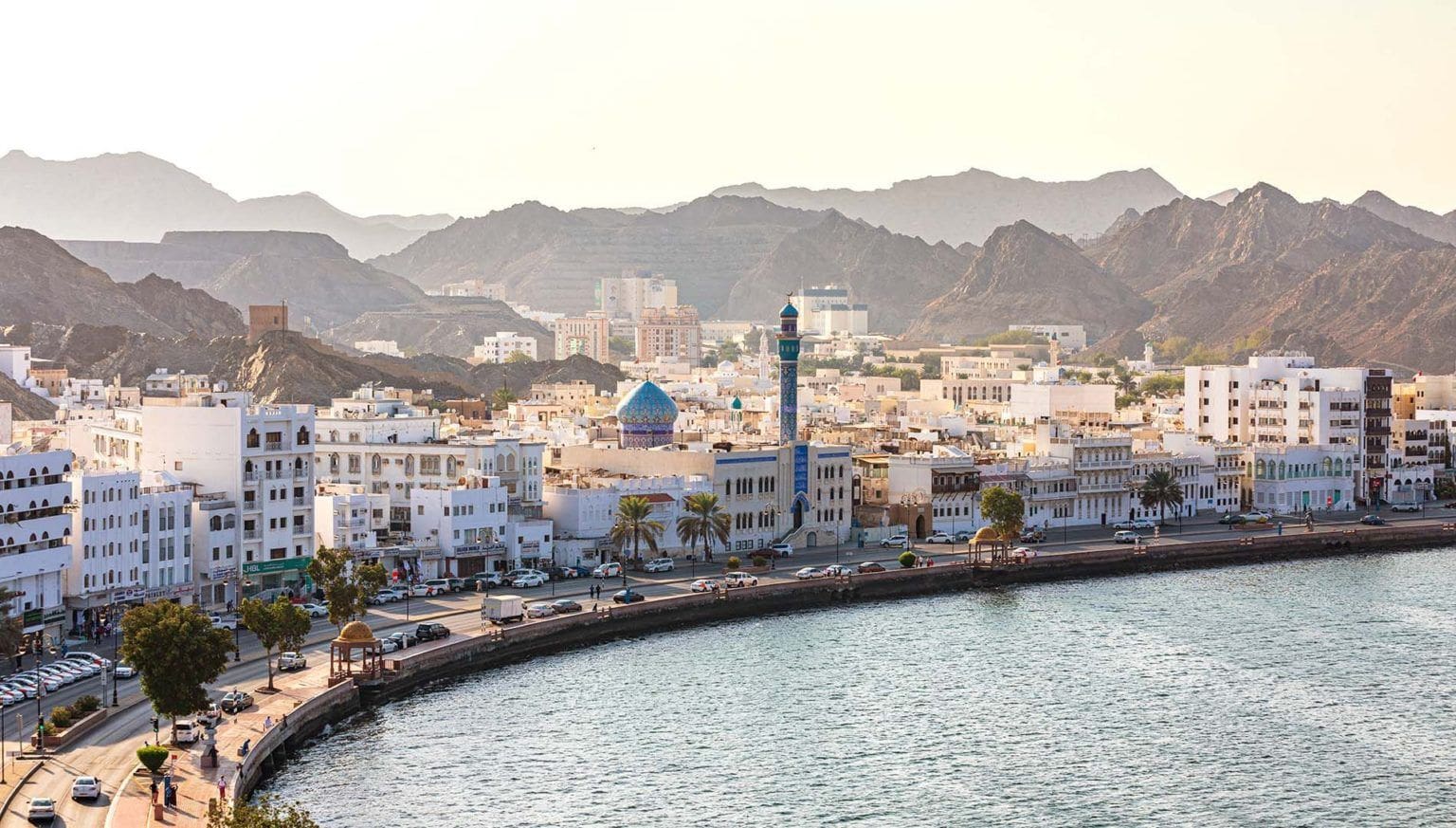

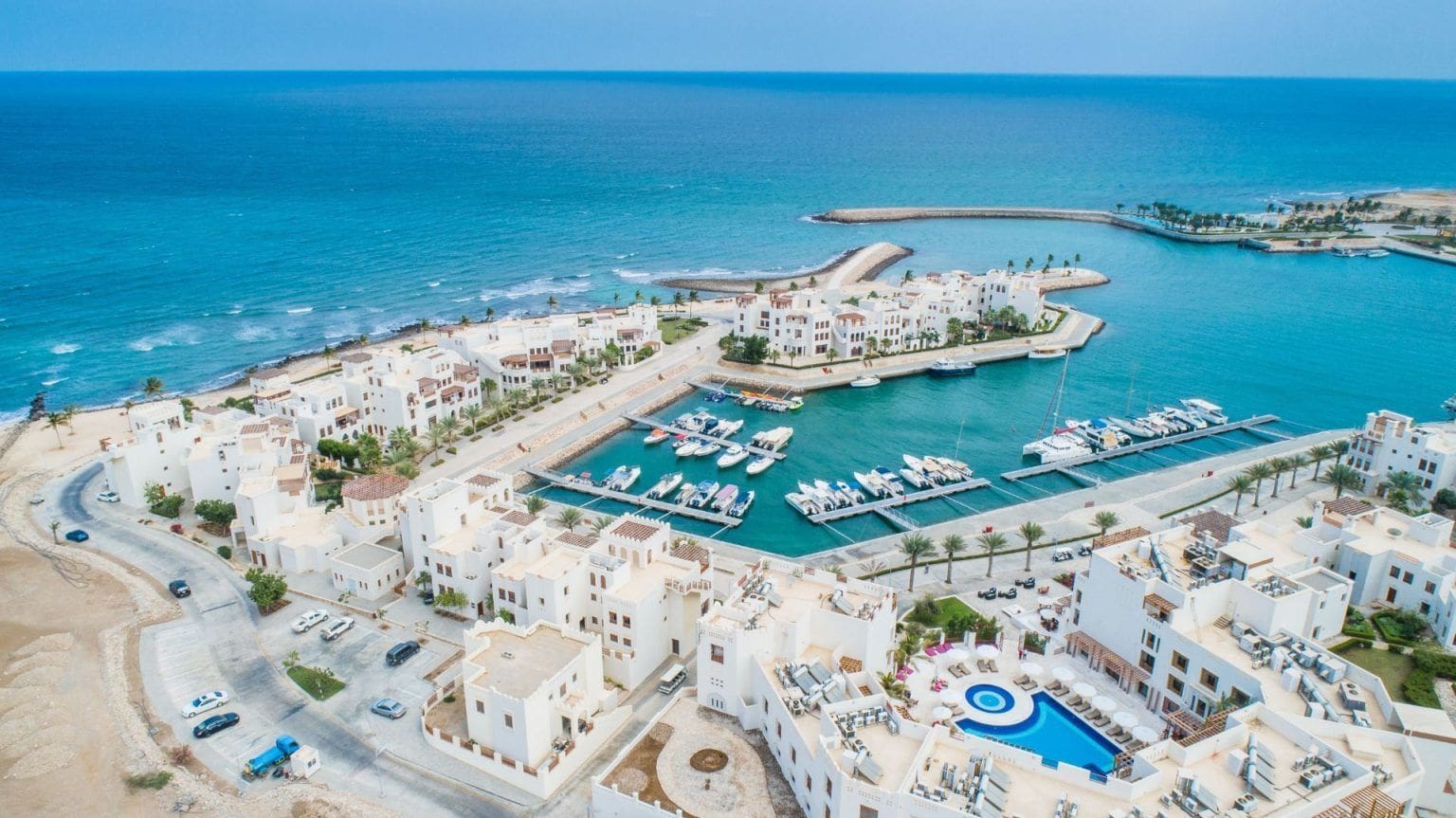

For full listings, current prices, and area guides, visit the Oman property page.
How does the buying process work?
Most purchases can be completed remotely. Around 60% of foreign buyers don't travel to Oman, using a Power of Attorney to sign and complete the process. In some cases, final registration may still require a visit depending on the developer.
Only ITC developments allow foreign ownership, so this is the first requirement. You can choose between ready units or off-plan projects depending on budget and timing.
A lawyer checks the title, contract, and developer details. If you are not in Oman, a Power of Attorney lets someone sign on your behalf.
A reservation deposit of around 10% is paid when signing the agreement. Off-plan purchases usually come with staged payments during construction, and contracts are often signed digitally.
The property is registered with the Ministry of Housing and transferred into your name. The 3% registration fee is paid at this stage.
The title deed is issued within 1–2 weeks after registration. Once issued, ITC ownership gives you and your family residency. If eligible, you can apply for the Golden Residency.
Banks can finance up to 75% for residents and around 60–70% for non-residents, usually at 5–7.5% interest. Most buyers instead use developer payment plans — typically 10% upfront and the rest spread over 2–3 years.
Frequently Asked Questions
Common questions from international buyers considering Oman.
Can foreigners buy property anywhere in Oman?
Yes — but only inside government-approved communities for international ownership. Outside these areas, property cannot be registered in a foreign buyer's name. GCC nationals have wider access, but some restricted zones still apply.
What does it cost to buy property in Oman as a foreigner?
The main cost is a one-time 3% registration fee at transfer. New properties from developers also carry 5% VAT, while resale units are exempt. There is no annual property tax, no capital gains tax, and no tax on rental income. Total transaction costs are usually around 5–7%.
Do I get residency when I buy property in Oman?
Yes, but the term depends on the property's value. Purchases below OMR 200,000 carry a renewable 2-year permit for you and your family, tied to continued ownership. For longer-term residency under the Golden Residency programme (relaunched in September 2025), the threshold via property is OMR 200,000 for a renewable 10-year permit. The same OMR 200,000 minimum applies across all seven qualifying routes, including bonds, equities, and fixed deposits.
Can I rent out my property in Oman?
Yes. Rental use is allowed and income is not taxed. Most areas generate 5–8% gross yields, while Salalah can reach 7–9% during peak tourism season. Some developments may set minimum lease terms depending on community rules.
Do I need to travel to Oman to buy?
Not necessarily. Most transactions are completed remotely using a Power of Attorney. Documents can be signed digitally, and a local representative can manage the process. Some final registration steps may still require physical presence depending on the developer.