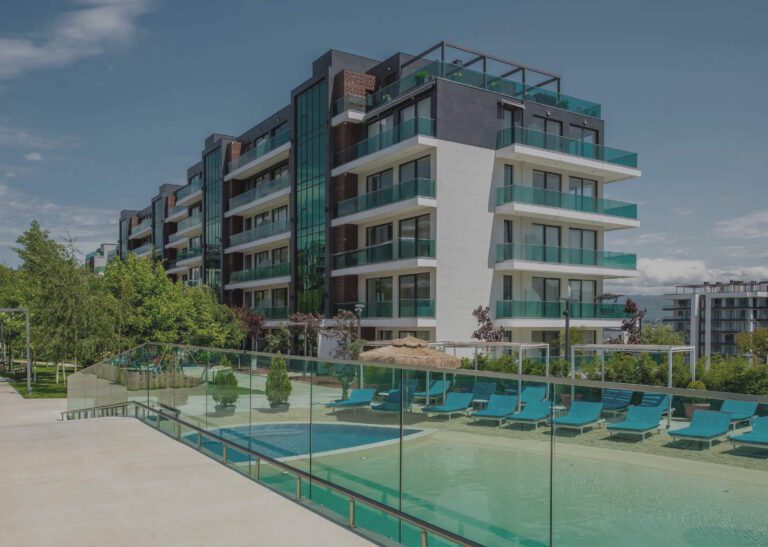
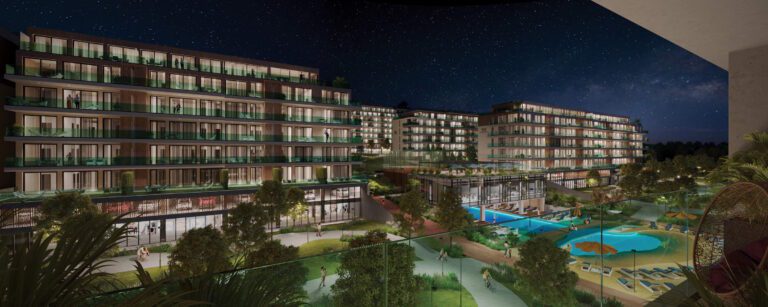
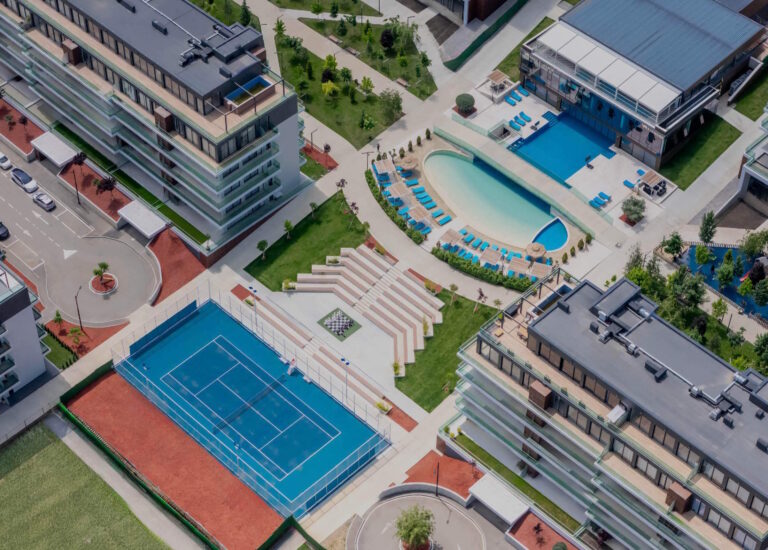
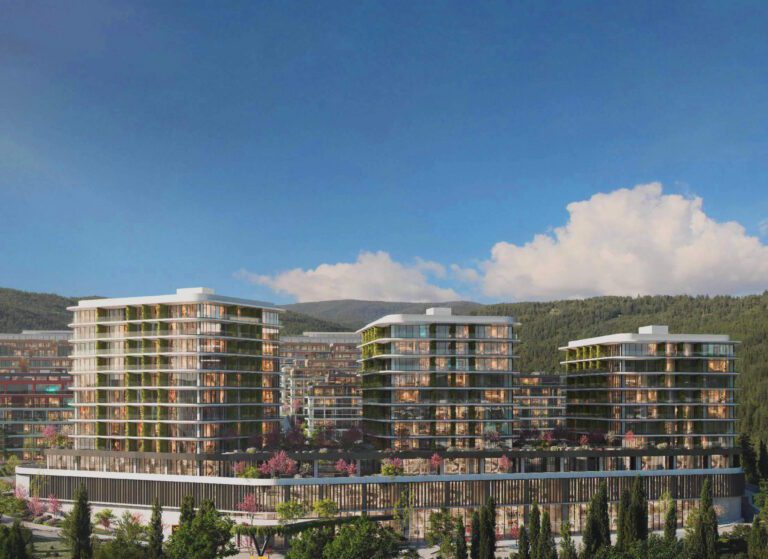
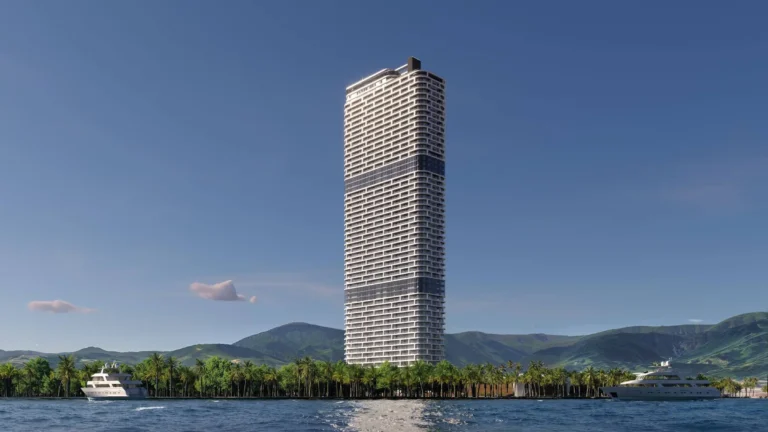
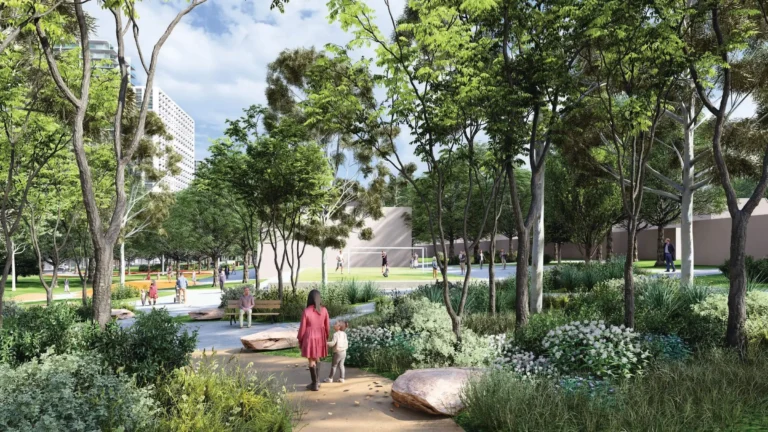
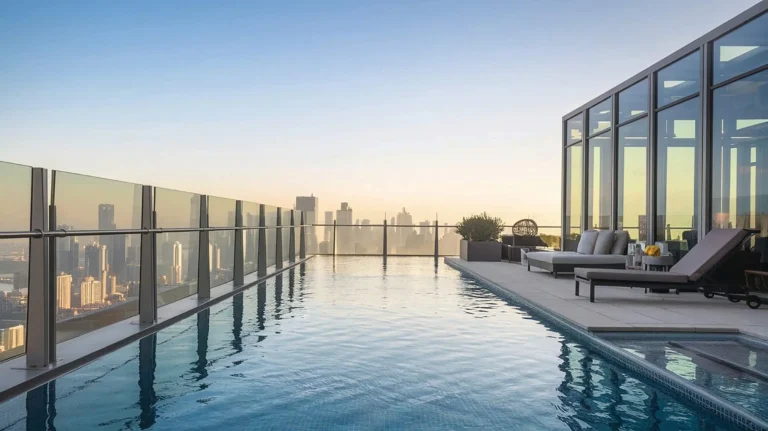
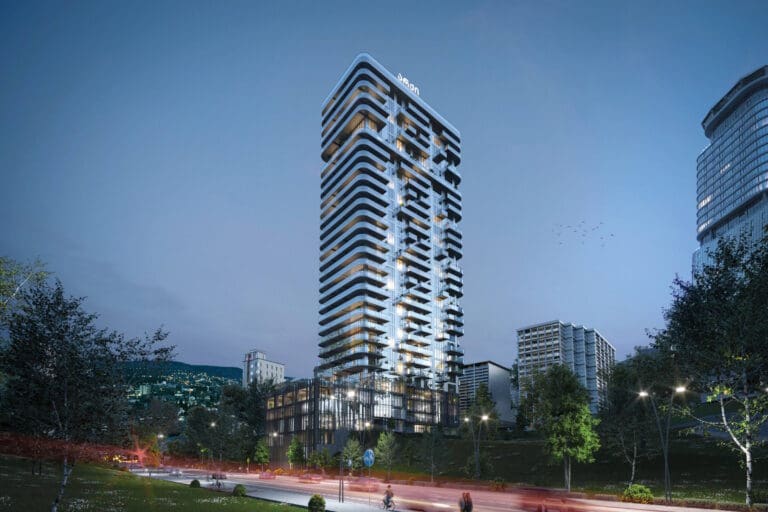
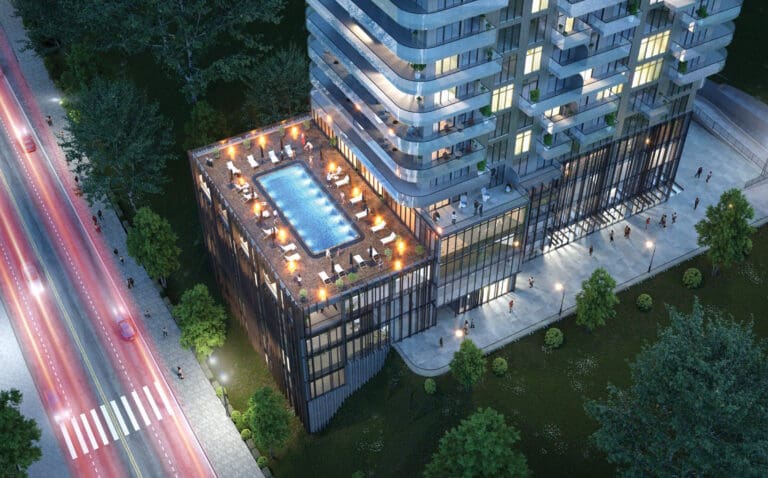
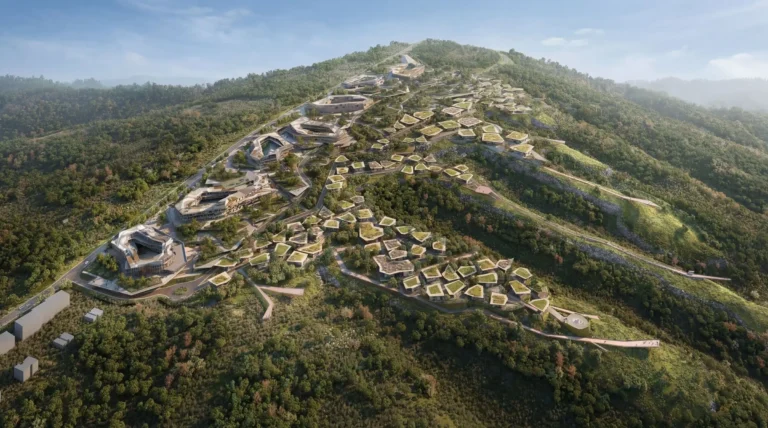
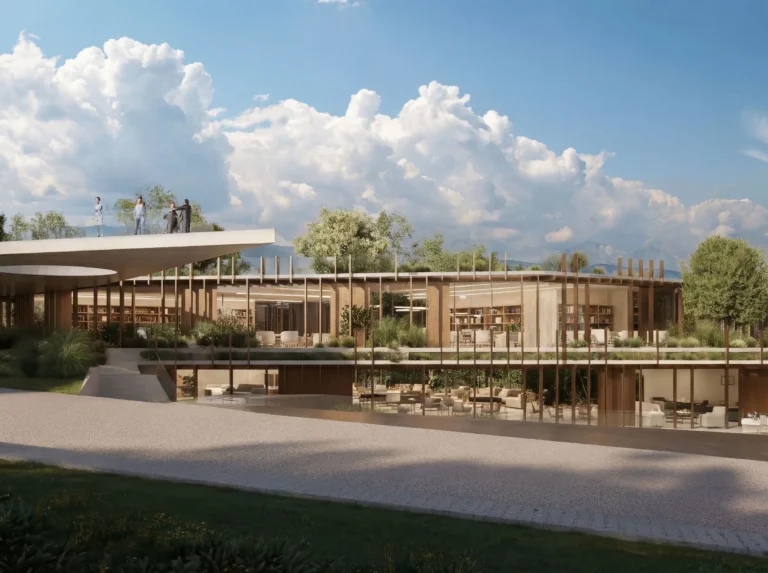
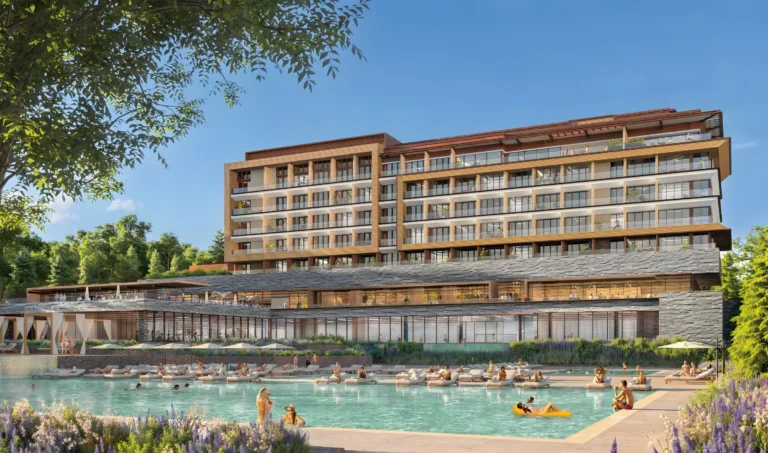
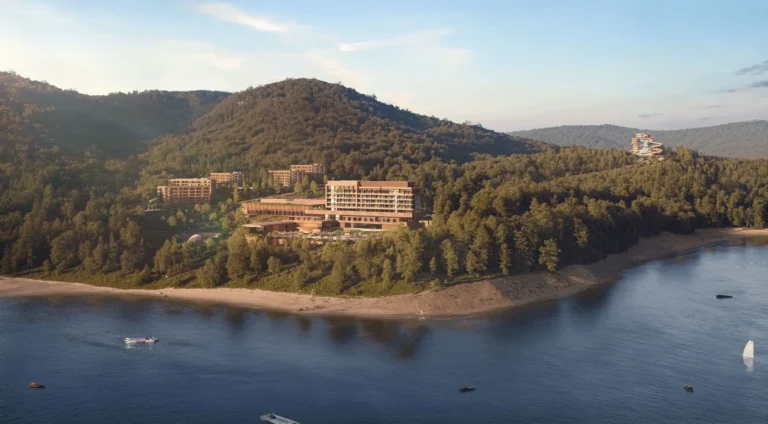
Apartments, villas, and resort property in Tbilisi, Batumi, and across Georgia’s coastal and mountain regions – with full foreign ownership rights and one of the lowest entry costs in the region.
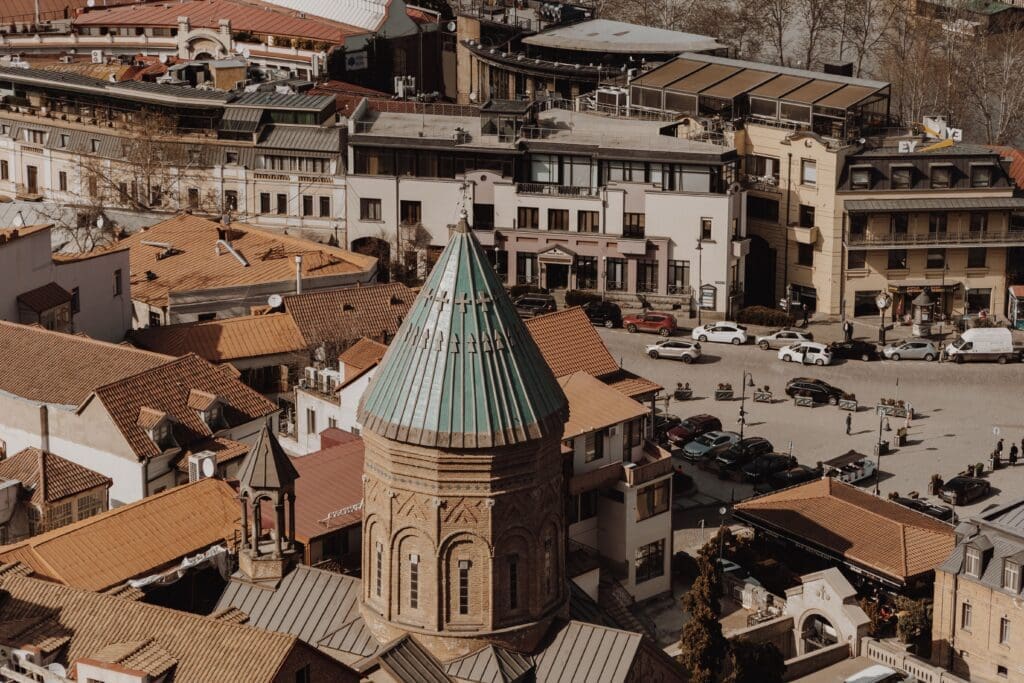
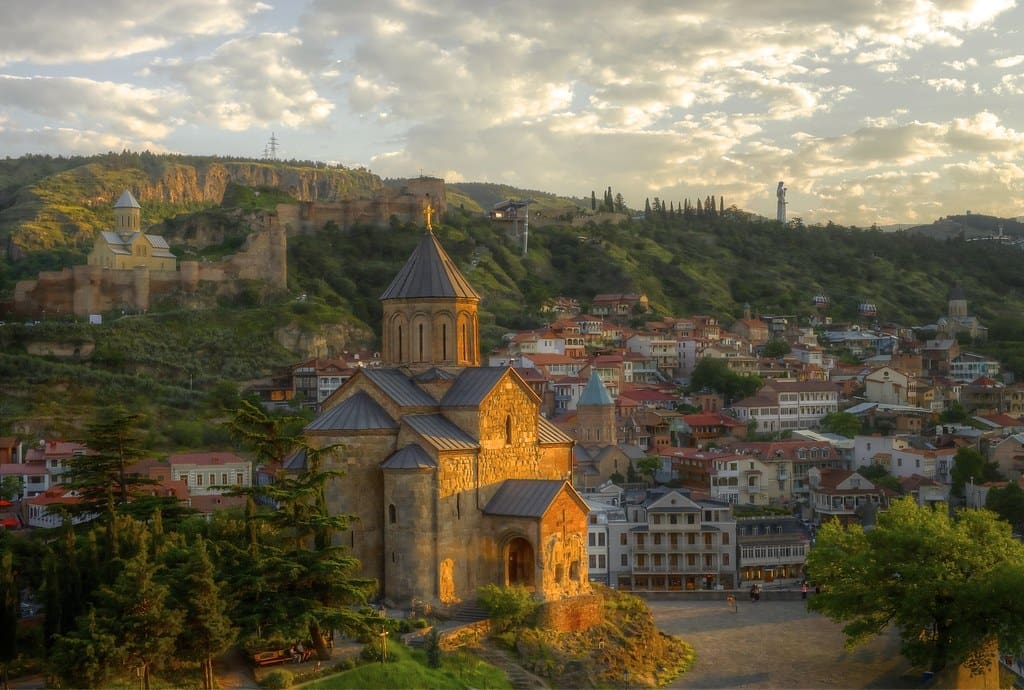
Georgia is located between Europe and Asia, along the Black Sea, and borders Turkey, Armenia, Azerbaijan, and Russia. Its capital, Tbilisi, has around 1.26 million people and a growing international profile, with a strong expat community and an emerging tech sector.
The country has one of the most open property markets globally. Foreign buyers can purchase, own, and sell real estate without restrictions, permits, or minimum investment. Ownership is recorded in a blockchain-based registry that can be verified online, offering a high level of transparency.
In 2024, Georgia’s residential real estate market reached $4.3 billion, growing 8.6% year on year for the fifth consecutive year. Tbilisi accounts for about 72% of transactions, with Batumi contributing around 20%. The market is supported by steady foreign demand, a growing local buyer base, and major international investment – including a $6 billion project by Emaar Group near Batumi, announced in January 2025.
All residential property in Georgia is available to foreign buyers on a freehold basis.
Price Analysis
About Georgia
Georgia is located between Europe and Asia, along the Black Sea, and borders Turkey, Armenia, Azerbaijan, and Russia. Its capital, Tbilisi, has around 1.26 million people and a growing international profile, with a strong expat community and an emerging tech sector.
The country has one of the most open property markets globally. Foreign buyers can purchase, own, and sell real estate without restrictions, permits, or minimum investment. Ownership is recorded in a blockchain-based registry that can be verified online, offering a high level of transparency.
In 2024, Georgia’s residential real estate market reached $4.3 billion, growing 8.6% year on year for the fifth consecutive year. Tbilisi accounts for about 72% of transactions, with Batumi contributing around 20%. The market is supported by steady foreign demand, a growing local buyer base, and major international investment – including a $5.5 billion project by Emaar Group near Batumi, announced in January 2025.
All residential property in Georgia is available to foreign buyers on a freehold basis.
$4.3BMarket size, residential (2024)
$1,312Tbilisi avg. price, per sqm, new build (2025)
9.4%GDP growth, 2024, one of the highest in the region
Property Prices in Georgia
Property values in Georgia’s two main markets grew by 10-16% annually between 2023 and 2025, with further growth expected into 2026. Supply remains constrained due to stricter bank lending for new developments, supporting continued upward momentum. Below are current price ranges based on verified transaction data.
Tbilisi
DistrictPrice per sqm (USD)Profile
Mtatsminda
$2,100-2,500
Hillside premium; highest prices in the city
Vake
$1,700-2,100
Most established residential district
Saburtalo
$1,000-1,580
Highest transaction volume; university and tech corridor
Old Tbilisi / Chughureti
$1,000-1,500
Heritage district; 28.3% YoY appreciation in Q1 2025
Didi Digomi
$650-1,000
Fast-developing; highest yield district (10%+)
City average (new build)
$1,312
+4.1% year-on-year (2025)
Batumi
LocationPrice per sqm (USD)Notes
Seafront / Boulevard
$1,800-2,800
Direct sea view; highest short-let demand
Within 300-800m of sea
$1,200-1,800
Strong balance of price and rental potential
Gonio area (south)
$1,000-1,600
Resort strip; less dense, larger plots
City average (new build)
$1,395
+16.5% year-on-year (2025)
How Georgia compares to Dubai
MetricGeorgia (Tbilisi / Batumi)Dubai (mid-tier)
Entry price per sqm
$650-1,400
$3,500-6,000
Avg. gross rental yield
7-8%
5-7%
Annual price growth (2025)
4-16%
~8%
Transfer / registration tax
0%
4% (DLD fee)
Rental income tax
5% flat
0%
Annual property tax
0-1%
0%
Foreign ownership
Full freehold, no restrictions
Freehold in designated zones
Residency by investment
From $150,000
From AED 750,000 (~$204,000)
A budget of $150,000 can buy a parking space in a mid-range Dubai tower - or a 110-150 sqm apartment in a well-located development in Tbilisi or Batumi. Rental yields in Georgia are similar to those seen in Dubai during its high-growth period, but with a much lower entry cost.
Metropolitan Insight
Buying Process and Costs
Georgia’s property purchase process is straightforward. There is no waiting period, no government approval requirement, and no minimum holding period before resale.
CostAmountNotes
Transfer tax
0%
No tax on buying or selling
NAPR registration fee
50-200 GEL
~$18-75; completes in 1-4 business days
Notary / legal fees
$200-500
Standard purchase; includes contract translation if required
Agent commission
Typically 3-5%
Negotiable; often shared between buyer and seller
Total transaction cost (est.)
~3-5%
Compared to 6-8% in Dubai (DLD fee + agent)
Foreign currency can be transferred into Georgia freely and exchanged at market rates through local banks. The two main options for international buyers are TBC Bank and Bank of Georgia, both listed on the London Stock Exchange. Off-plan purchases are usually paid through developer instalment plans, similar to Dubai, but with shorter timelines of around 2-5 years.
Property ownership is registered through the National Agency of Public Registry (NAPR), which has used a blockchain-based system since 2017. Ownership details can be checked online by anyone for 1 GEL (~$0.37), making the system more transparent than most markets.
Taxes for Property Owners
TaxRateNotes
Rental income
5% flat
When registered on the landlord registry
Capital gains (after 2 years)
0%
No tax if the property is held for 2 years or more
Capital gains (under 2 years)
5-20%
Depends on personal tax status
Transfer / stamp duty
0%
No tax on purchase or sale
Annual property tax
0-1%
Based on property value and municipality
Inheritance tax
0%
No inheritance tax in Georgia
Georgia uses a territorial tax system, meaning residents are taxed only on income earned within the country. Income from properties, businesses, or investments held abroad is not taxed in Georgia, so buying property there doesn’t affect your existing assets in places like the UAE or Europe.
Georgia also has double taxation treaties with over 50 countries, including the UAE, UK, Germany, France, and the Netherlands. Full details are available from the Georgian Revenue Service.
Residency by Property Investment
Georgia’s Investment Residence Permit is one of the more accessible property-based residency options in the region. As of March 1, 2026, two thresholds apply:
PermitDurationMinimum investmentDetails
Temporary Residence Permit - Renewable annually
1yr
$150,000 in property
Grants the right to live and work in Georgia. No physical presence requirement to maintain. Renewable each year provided the qualifying property is retained.
Long-term Permit - Path to permanent residency
5yr
$300,000 in property
5-year permit with the option to apply for permanent residency after 6 years total. Spouse and dependent children are included at no additional investment.
You can combine multiple properties to meet the threshold. There is no ongoing stay requirement, but you must visit Georgia once to complete biometric registration when first applying.
Note: The minimum threshold increased from $100,000 to $150,000 on March 1, 2026, so older sources may show outdated figures.
Georgian residency can also lead to tax residency (applied for separately), giving access to the country’s territorial tax system – something many international investors use to structure their income more efficiently. For a full breakdown of the application process and a comparison with programmes in Portugal and Turkey, see our Georgia residency by investment guide.
Areas in Georgia
Georgia offers distinct investment profiles across coastal, capital, mountain, and emerging city markets. The sub-area pages explore specific districts, projects, and yields in detail, while the overview below outlines how each segment of the market works.
Batumi and the Black Sea Coast
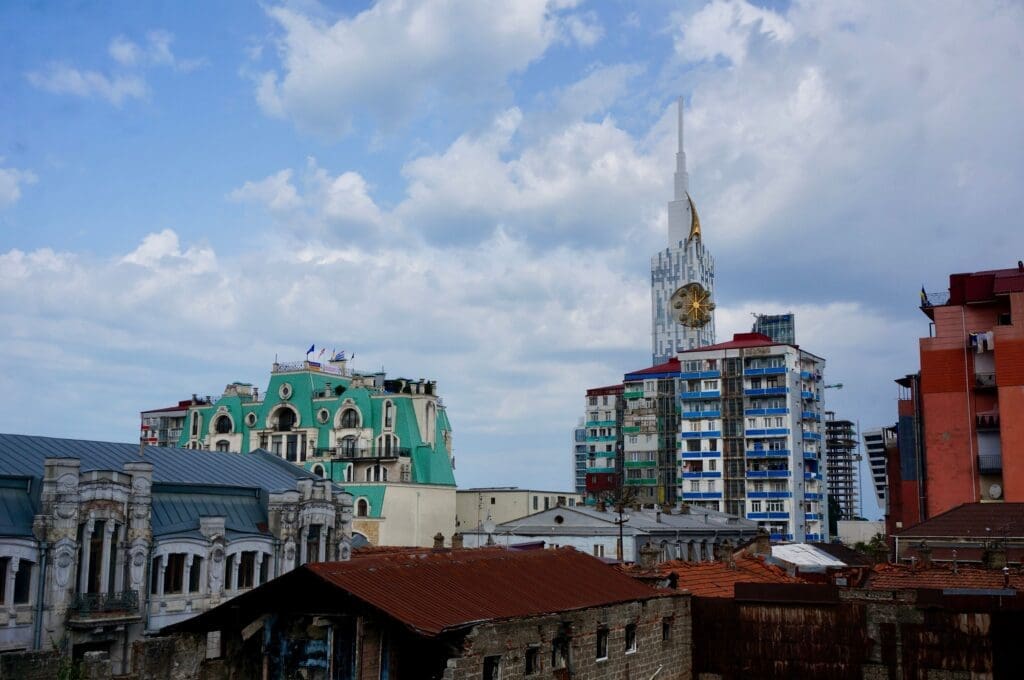
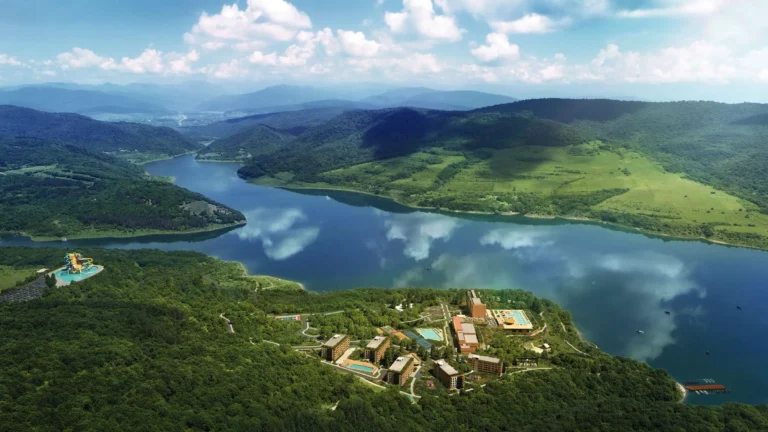
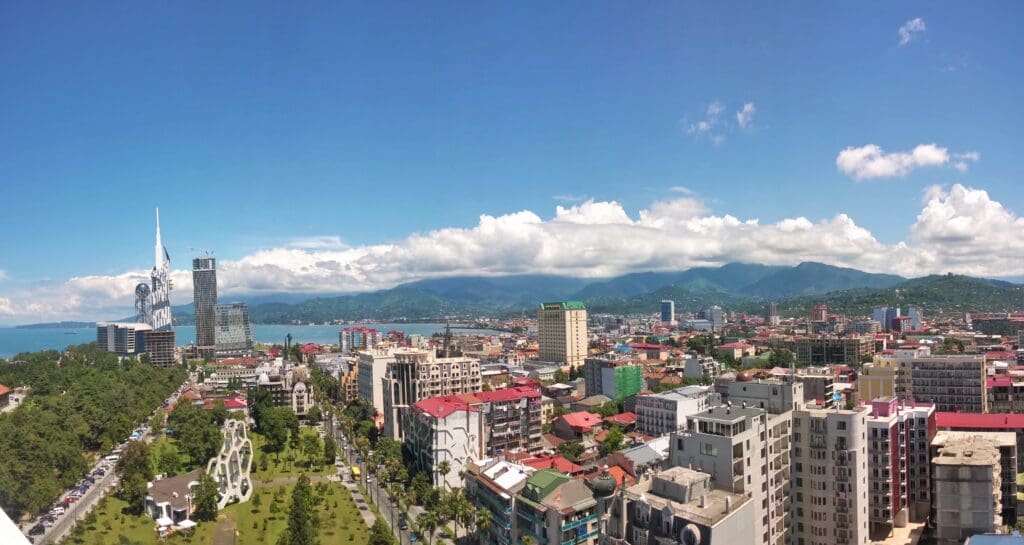
Batumi is Georgia’s second city and its main resort destination, located on the Black Sea near the Turkish border. It is the centre of short-term rental demand, supported by around 9 million annual visitors to Georgia and a growing reputation as a leisure and wellness destination. The city has seen significant investment in its waterfront, hotels, and public infrastructure over the past decade. The Adjara region also benefits from free industrial zone status, offering tax advantages for certain businesses.
Beyond Batumi, the coastline continues to develop. Areas like Gonio and Kvariati, closer to the Turkish border, are attracting larger, resort-style projects, while Kobuleti to the north remains a more affordable coastal option with steady domestic demand. The entire Black Sea strip is seeing increased developer activity, particularly following the Emaar investment announcement.
Tbilisi
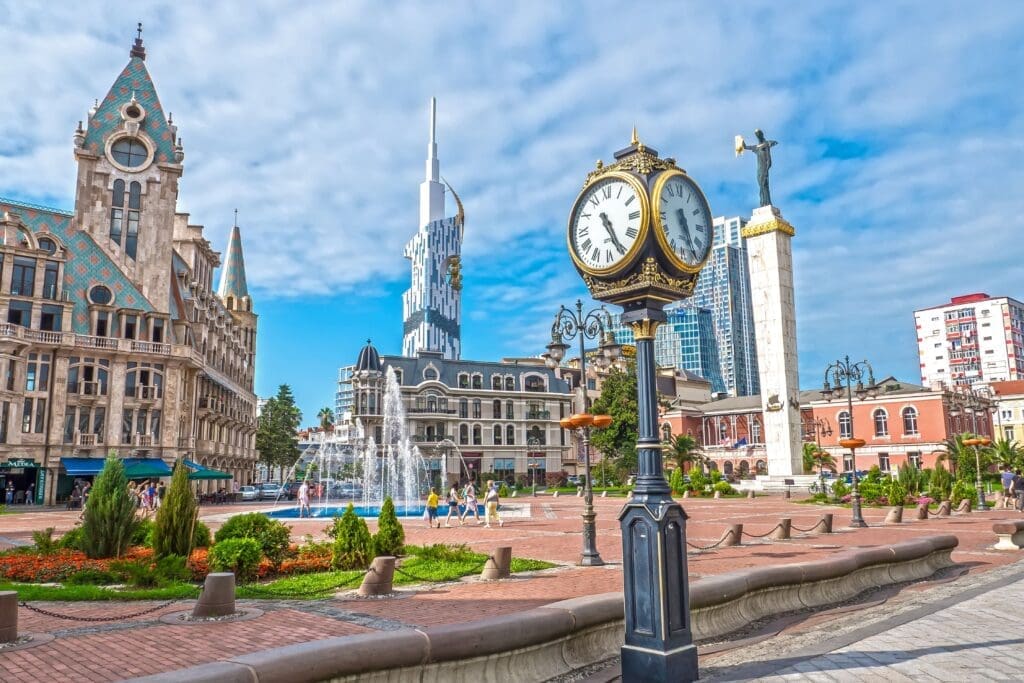
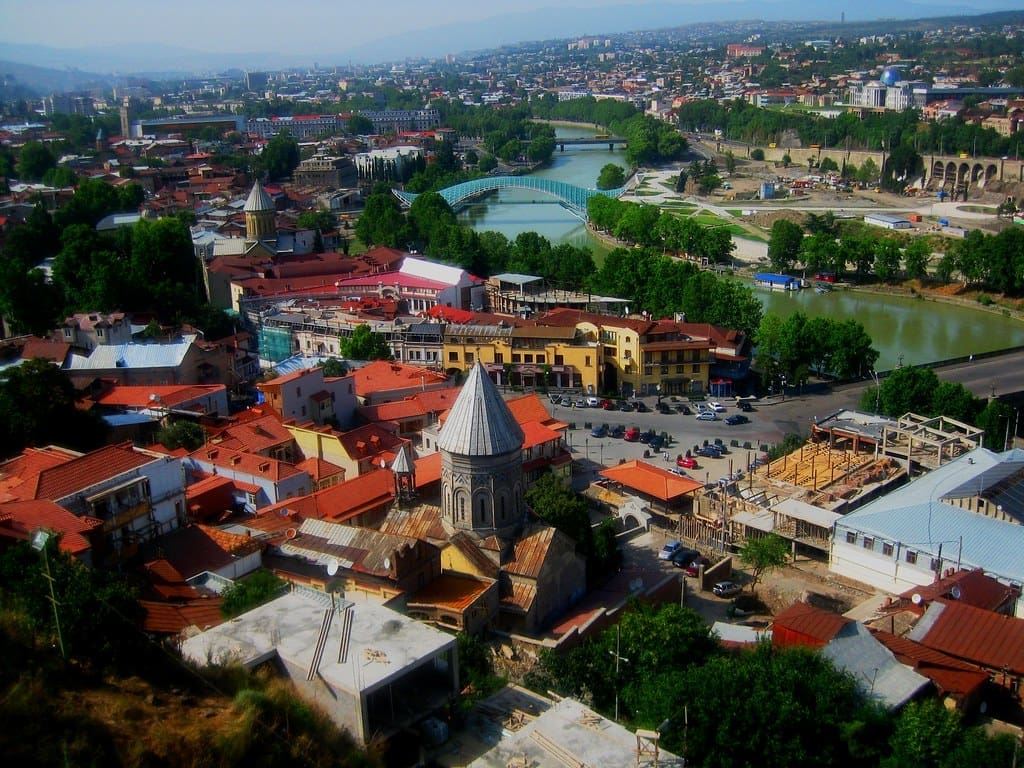
Tbilisi is a year-round market driven by local demand. Rental demand comes from a growing professional population, universities, an established expat and diplomatic community, and a tech sector that has expanded rapidly in recent years. The historic centre – including the Old Town, Narikala area, and sulphur baths – supports short-term rental activity, while districts like Saburtalo and Didi Digomi are more focused on long-term tenants, often with higher yields. Infrastructure development remains consistent, with ongoing expansion of the metro network and urban transport.
Mountain Resorts
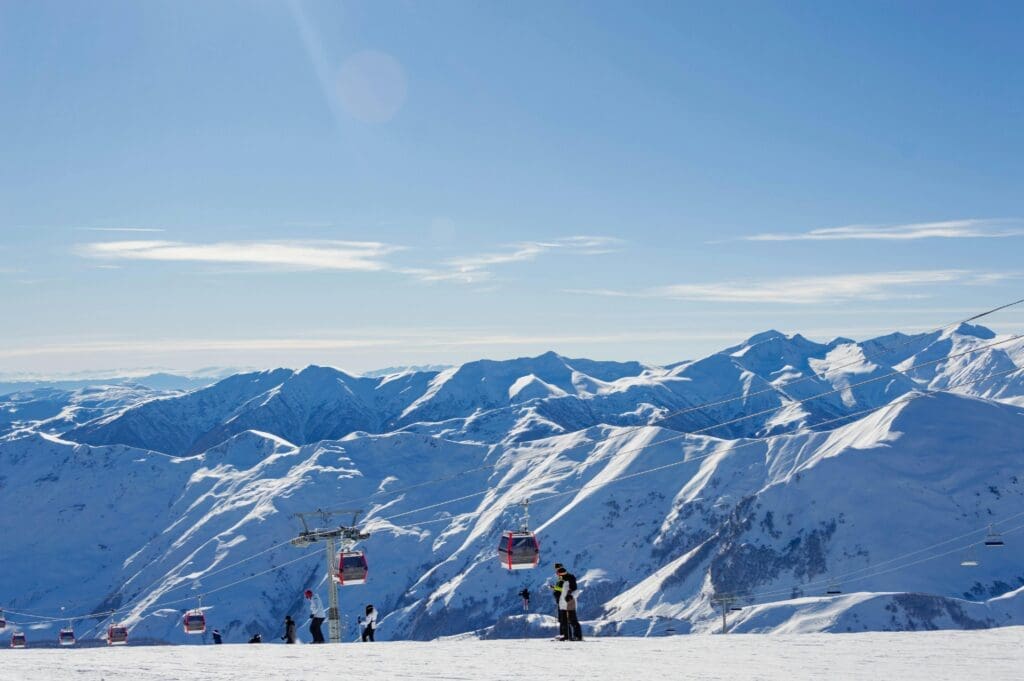
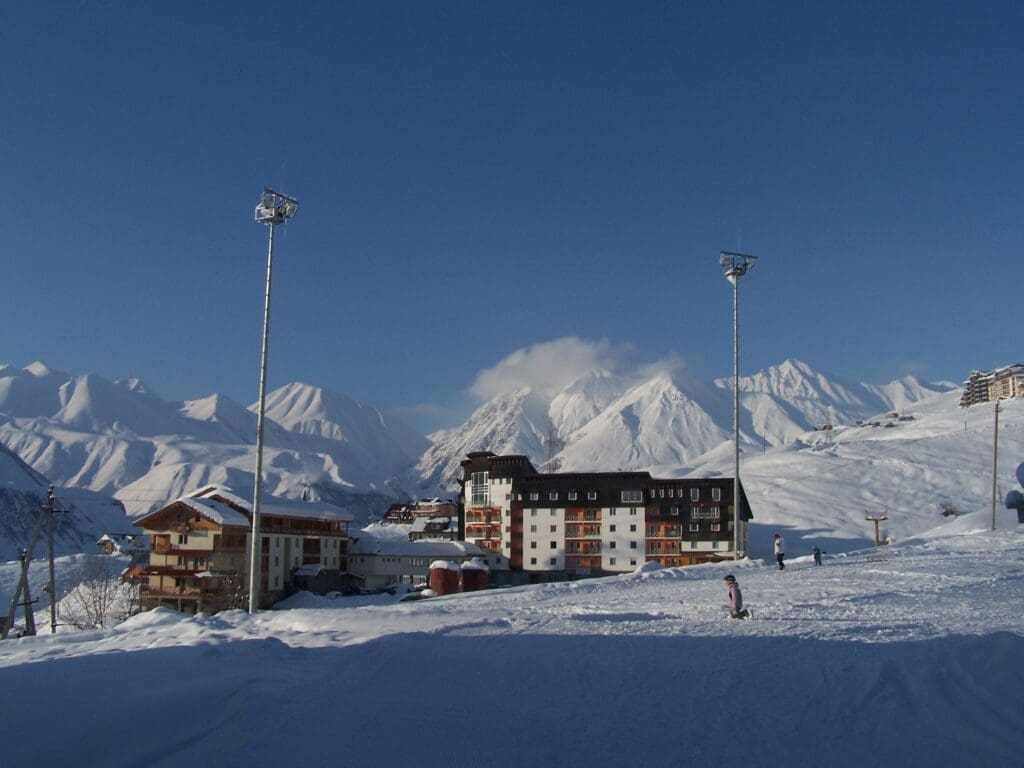
Georgia’s mountain regions – including Gudauri, Bakuriani, and parts of the Greater Caucasus – represent a developing segment of the market. Gudauri, at around 2,200 metres, is the country’s main ski resort, with a season typically running from November to April and growing summer tourism. Bakuriani, at a lower altitude, has a longer history as a family-oriented destination. Property prices generally range between $700 and $1,400 per sqm, depending on location and proximity to lifts – still well below comparable ski markets. Newer areas like Sioni Lake in Tianeti are being positioned as year-round mountain and lakeside destinations rather than purely seasonal resorts.
Kutaisi and Emerging Cities
Kutaisi is Georgia’s third city and the seat of parliament, with a population of around 135,000. It is developing as a transport and light industrial hub, supported by growing connectivity through Kutaisi International Airport and an increasing number of low-cost European routes. Property prices typically start at $500-700 per sqm, making it the most affordable entry point among Georgia’s main markets. Transactions grew by around 12% in 2024-2025, driven by new developments. For investors with a longer time horizon, Kutaisi offers early-stage potential as infrastructure and demand continue to build.
Batumi (Black Sea, Coastal) – Short-let driven, strong peak-season yields. Seafront properties average $1,800-2,800/sqm. Growing year-round demand as hospitality infrastructure expands. Avg. price from $1,395/sqm, Yield avg. 7.28%.
Tbilisi (Capital City, Year-round) – Year-round professional rental market. City average $1,312/sqm. District yields range from 5.9% (Vake) to 10%+ (Didi Digomi). Avg. price from $1,312/sqm, Yield avg. 7.78%.
Mountain Resorts (Gudauri, Bakuriani, Sioni) – Seasonal ski and year-round leisure assets. Entry from $700/sqm. Gudauri and Bakuriani are established; Sioni Lake targets the emerging lakeside resort segment. Price from $700/sqm, Seasonal resort asset.
Kutaisi (Emerging, Long-term) – Georgia’s third city and most affordable main market. Entry from $500/sqm. Growing airport connectivity and government-backed industrial development. Price from $500/sqm, Early-stage market.
Lifestyle and Connectivity
Tbilisi International Airport connects to over 40 destinations including Dubai (flydubai, ~3 hours), Istanbul, London, Paris, Frankfurt, and Tel Aviv. Batumi Airport serves Istanbul and several European cities, with the route network growing each year. Both cities are straightforward to reach from the UAE and easy to manage remotely as an investor.
Dubai → Batumi
~3.5 hrs
Via Istanbul or direct seasonal routes.
Kutaisi Airport
Budget hub
Low-cost European connections, Wizz Air hub.
What Georgia has
Black Sea coastline – beaches, waterfront, and resort infrastructure along the Adjara coast
Ski resorts – Gudauri and Bakuriani, active November through April
Mountain landscapes – Greater Caucasus range, trekking, and alpine scenery
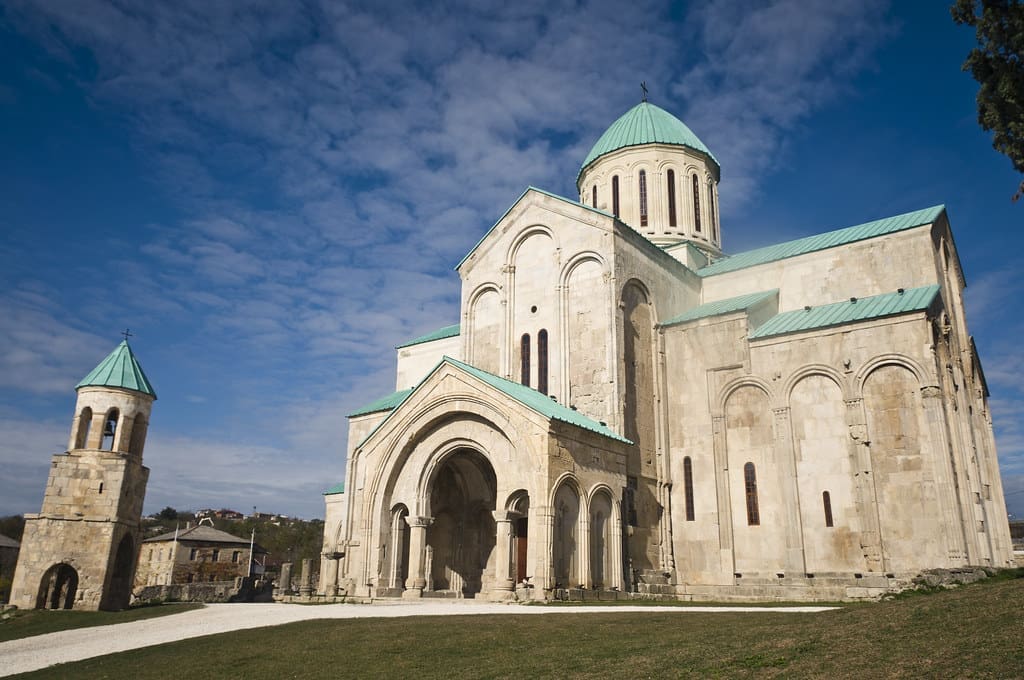
UNESCO heritage – Tbilisi Old Town, cave cities, and ancient monasteries
Food and wine culture – one of the world’s oldest winemaking traditions
Modern infrastructure – fast internet, co-working spaces, and international schools in both cities
Low cost of living – $1,000-2,000/month covers a comfortable lifestyle in Tbilisi
No visa required – UAE, UK, EU, and US passport holders can stay up to 365 days
English widely spoken – in business, hospitality, and among the expat community
365 days
Visa-free for most passport holders, including UAE, UK, EU, and US citizens. Georgia allows stays of up to one full year without a visa - longer than almost any other non-EU country in the region.
ARCHI appears to be associated with a large developer of the same name based in Georgia that has signalled entry into the Dubai market. We could not verify an established, standalone Dubai developer named ARCHI with a confirmed founding year and delivered UAE projects.
We could not verify VR Holding as an established UAE property developer. The name maps to more than one possible entity, including a developer outside the UAE and a Dubai brokerage rather than a principal developer.
Eagle Hills is an Abu Dhabi-based private developer founded in 2014 by Mohamed Alabbar, focused on large-scale mixed-use waterfront destinations across emerging markets - including Belgrade Waterfront in Serbia, Maryam Island in Sharjah and projects in Georgia, Jordan and beyond.
Georgian hospitality and real estate firm founded in 2004, marketing European resort properties—such as Ambassadori Island in Batumi—to UAE-based investors.
Mira Developments is a boutique Dubai developer specialising in fully furnished residences created with global luxury and design brands such as Bentley Home and Trussardi. Its projects include Mira Villas, designed by Bentley Home, and Trussardi Residences in Al Furjan.
Tbilisi Hills Golf & Residences is a golf-residential development in Tbilisi, Georgia, backed by an Estonian investment group, featuring Georgia's only professional 18-hole golf course.
Yes, with no restrictions. Foreign nationals can purchase, own, and sell property in Georgia on the same terms as Georgian citizens. No special permits, no minimum purchase requirement, no restrictions by nationality or property type. Ownership is registered at the National Agency of Public Registry (NAPR) using a blockchain-based system verifiable online by anyone for 1 GEL.
How much does property cost in Georgia?
In 2025, the average price of new apartments in Tbilisi reached $1,312 per sqm and $1,395 per sqm in Batumi (TBC Capital). Premium districts in both cities range from $1,700 to $2,800 per sqm. Compared to Dubai, where mid-tier apartments start at $3,500-5,000 per sqm, Georgia offers significantly lower entry prices with comparable or higher gross rental yields.
What rental yields can I expect in Georgia?
Gross rental yields in Tbilisi averaged 7.78% in Q1 2025, with districts like Didi Digomi reaching 10%+ (Global Property Guide). Batumi's city average was 7.28%, with seafront properties generating 15-25% on short-term lets during peak summer season. Long-term lets in Batumi yield 4-6% annually due to seasonality - factor this in if year-round income is a priority.
What taxes do property owners pay in Georgia?
Rental income is taxed at 5% flat when registered on the landlord registry. Capital gains are 0% after a 2-year holding period. There is no property transfer tax, no inheritance tax, and no stamp duty. Annual property tax ranges from 0% to 1% depending on property value and location. Georgia's territorial tax system means income earned outside Georgia is not taxed there. Full rates are published by the Georgian Revenue Service.
Can I get residency in Georgia by buying property?
Yes. Georgia's Investment Residence Permit is available to buyers who purchase property worth the GEL equivalent of $150,000 USD or more (as of March 1, 2026). This grants a 1-year renewable permit. A $300,000 investment qualifies for a 5-year permit, convertible to permanent residency. Spouse and dependent children are included at no additional investment.
What are the costs of buying property in Georgia?
There is no transfer tax and no stamp duty. Legal and notary fees typically run $200-500. Property registration at NAPR costs 50-200 GEL and completes within 1-4 business days. Total transaction costs including agent typically run 3-5%, compared to 6-8% in Dubai (DLD fee plus agent).
Is Batumi or Tbilisi better for investment?
It depends on your strategy. Tbilisi offers year-round rental demand from professionals, students, and a growing expat community - more consistent income and stronger long-term yield data. Batumi offers higher peak-season returns on short-term lets and Black Sea coastal appeal. Both cities have seen 10-16% annual price growth over 2023-2025.
Can I get a mortgage in Georgia as a foreign buyer?
Yes. TBC Bank and Bank of Georgia both offer mortgages to foreign nationals, though conditions are stricter than for Georgian residents. Typically you will need a 30-50% down payment, proof of foreign income, and a bank-ordered property valuation. Interest rates in 2025 ranged from around 2.5% to 4.5% for reliable borrowers taking GEL-denominated loans. Most international buyers purchasing off-plan use developer instalment plans rather than bank mortgages, as they are simpler to arrange without local credit history.
How do off-plan payment plans work in Georgia?
Off-plan purchases in Georgia follow a similar structure to Dubai - a down payment at reservation (typically 20-30%) with the balance paid in instalments linked to construction milestones or spread over the build period. Payment timelines are generally 2-5 years, shorter than Dubai's standard 7-10 year plans. Most developers offer 0% interest on instalments during construction. Payments are typically made in USD or GEL. The preliminary agreement is registered at NAPR, which provides legal protection for the buyer during the construction period.
Can I manage my Georgia property remotely?
Yes, and it is common practice. Property management companies operate across Tbilisi and Batumi, handling tenant sourcing, rent collection, maintenance, and short-let platform management (Airbnb, Booking.com). Management fees typically run 10-20% of rental income for long-term lets and 20-25% for short-term management including cleaning and guest communication. NAPR ownership registration and most banking can be handled remotely or via a power of attorney, so physical visits are not required after the initial purchase.
Can I sell my Georgia property before construction is complete?
Yes. There is no minimum holding period in Georgia and no restriction on selling off-plan units before handover. Assignment of preliminary agreements is permitted and is a common exit route in Tbilisi and Batumi. The buyer takes over your payment obligations and the NAPR registration is transferred. Some developers require a no-objection letter for assignment - check contract terms before purchase if early resale is part of your strategy. Capital gains are 0% if the property is held for more than 2 years; below 2 years, gains are taxable depending on your personal tax status.