
Real Estate in Tbilisi
Georgia's capital — year-round rental market with apartments from $650/sqm (AED 220/sq ft) across heritage, central, and developing districts.
Properties for Sale in Tbilisi
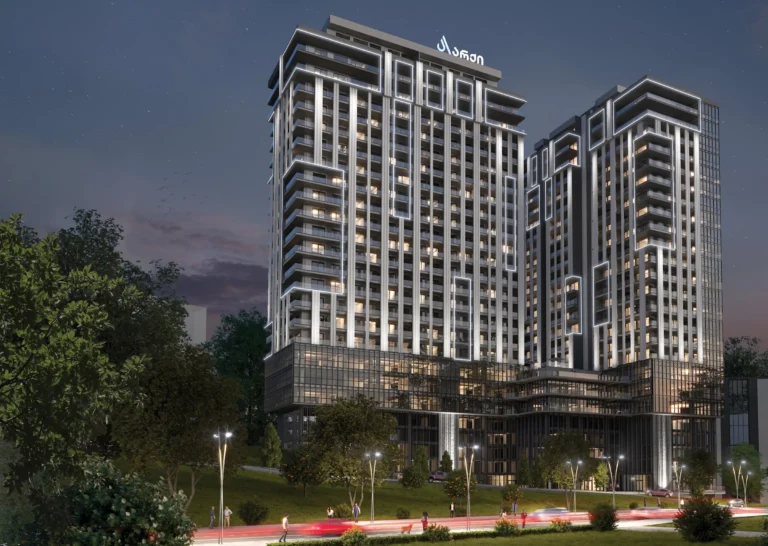
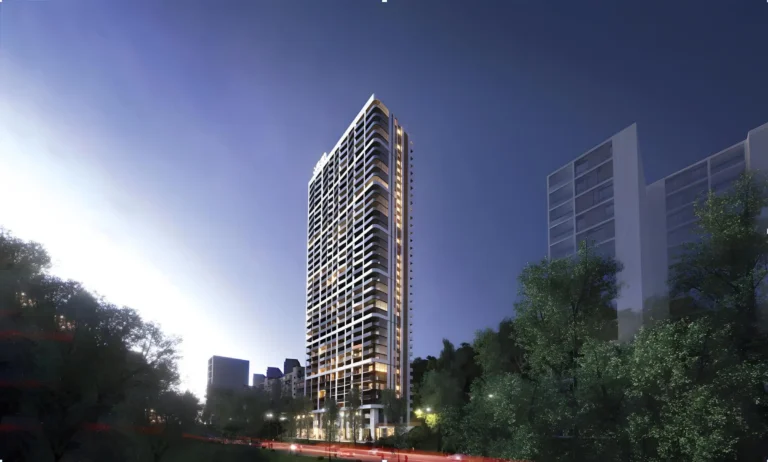
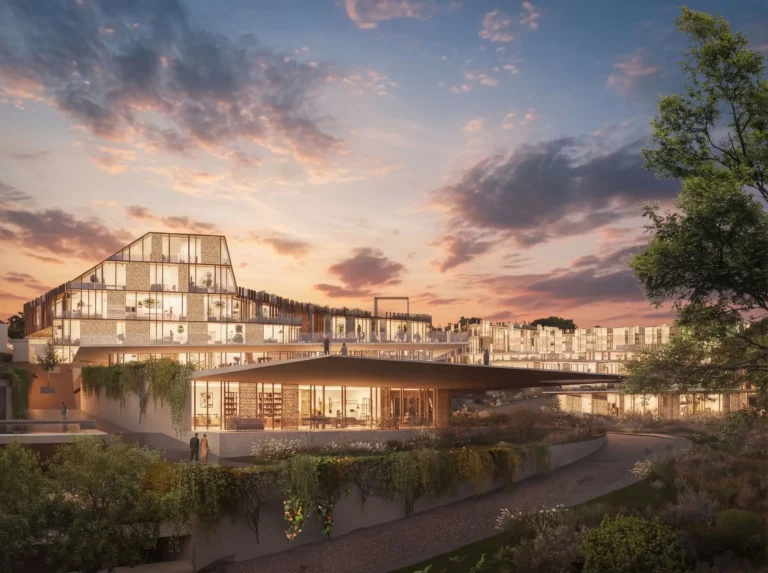
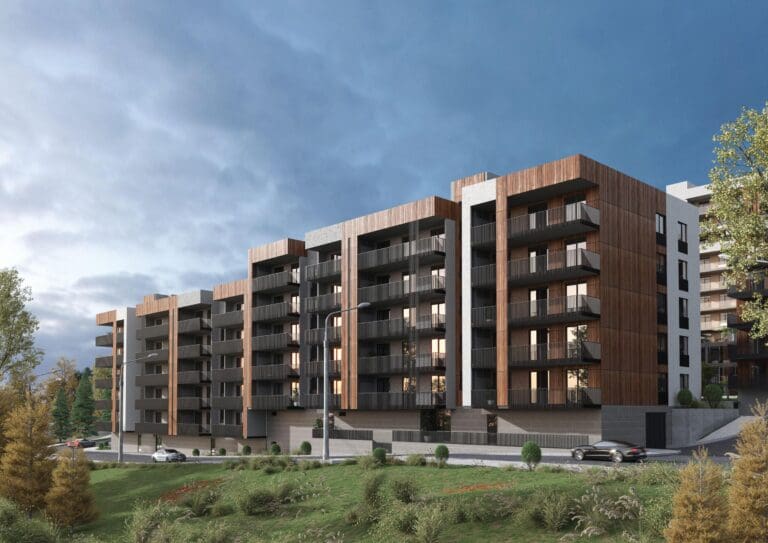
About Tbilisi
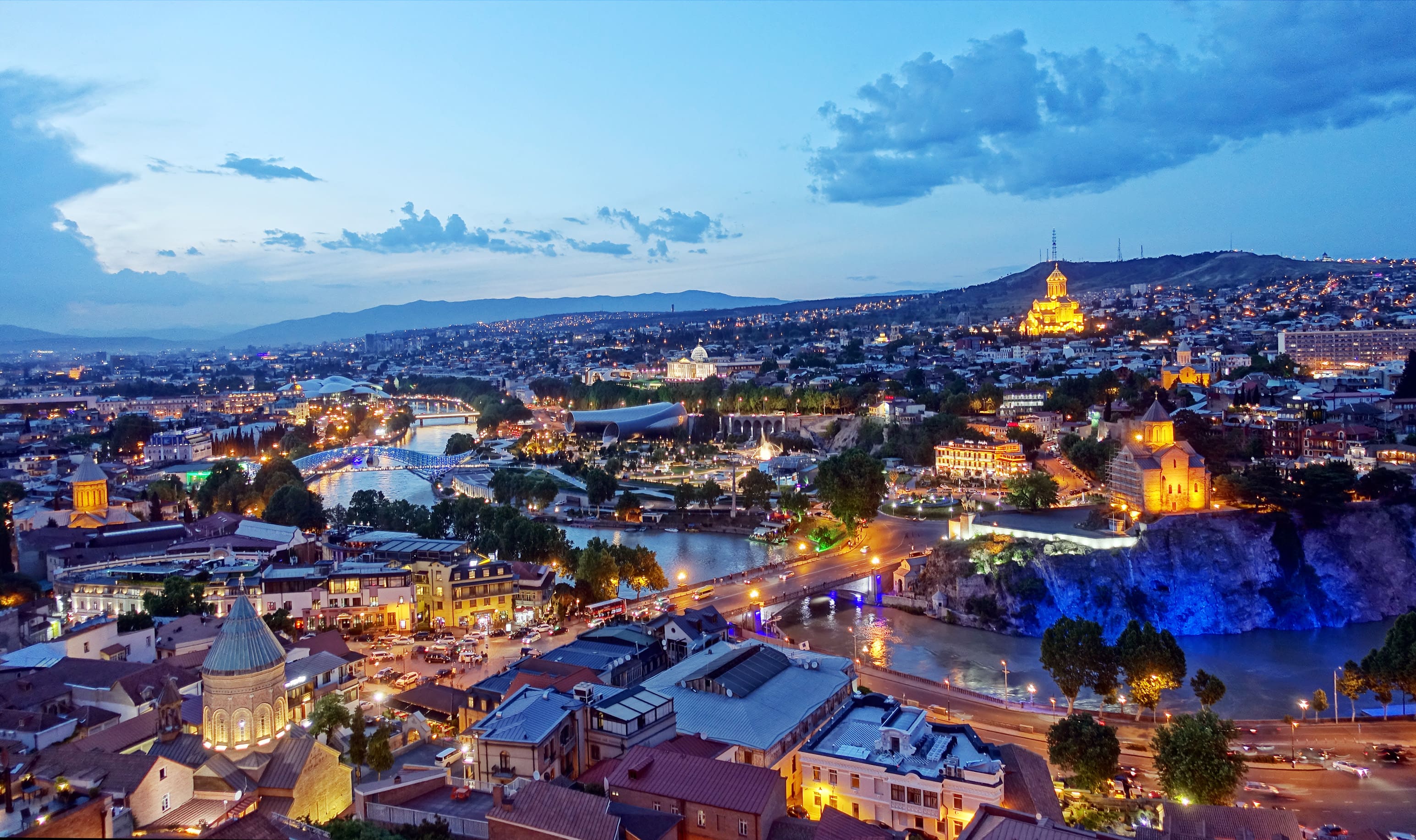
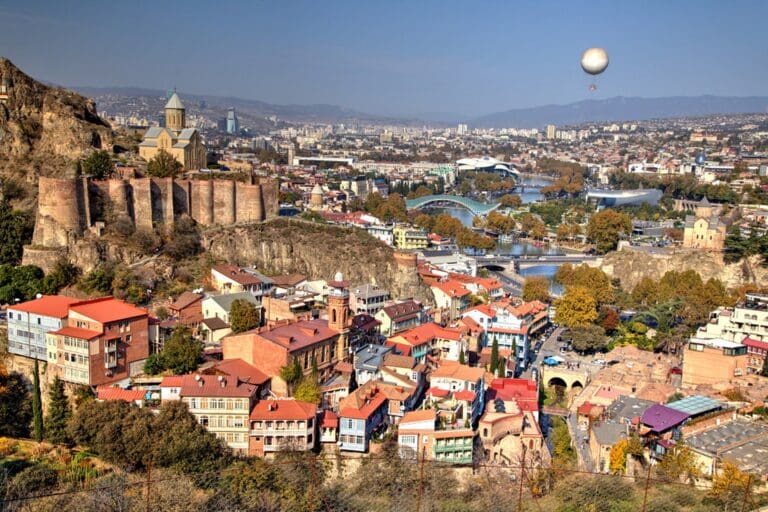
Tbilisi is the capital and largest city of Georgia, with a population of around 1.26 million. It is located on the banks of the Mtkvari River and combines historic architecture in the Old Town with Soviet-era districts and modern residential developments across the city.
What sets Tbilisi apart from many regional cities is the stability of rental demand. The tenant base includes young professionals, students, expats, diplomats, and a fast-growing tech workforce that expanded significantly after 2022. This creates consistent year-round occupancy with no strong seasonal dips, unlike resort markets.
In 2024, 40,350 apartments were sold in Tbilisi, the highest annual volume on record, accounting for around 72% of all residential transactions in Georgia. New-build prices increased by 4.1% year on year to an average of $1,312 per sqm, with further growth expected into 2026.
Property Prices in Tbilisi
Prices vary significantly across districts — from under $700 per sqm in outer residential areas to over $2,500 in premium hillside locations. The table below covers the main investment districts with current price ranges based on 2025 transaction data.
| District | Price / sqm (USD) | Notable | Investor profile |
| Mtatsminda | $2,100–2,500+ | Highest in city | Hillside premium; funicular; panoramic views |
| Vake | $1,700–2,200 | Strong appreciation | Most prestigious district; best capital preservation |
| Vera | $1,100–1,600 | Steady | Historic residential; expat-popular; walkable |
| Old Tbilisi / Abanotubani | $1,000–1,500 | Strong short-let | Heritage; short-let potential; fastest-appreciating |
| Chughureti / Marjanishvili | $1,000–1,400 | +28.3% Q1 2025 | Creative district; nightlife; two metro stations |
| Saburtalo | $1,000–1,580 | Highest volume | IT sector; universities; expats; most liquid |
| Isani / Ortachala | $800–1,200 | Steady | Central; mix of older stock and new builds |
| Gldani / Samgori | $700–950 | Steady | Large residential population; metro access; affordable |
| Didi Dighomi | $650–1,000 | Rising fast | Highest gross yields; fast-developing outer district |
| City average (new build) | $1,312 | +4.1% YoY | No correction projected for 2026 (Colliers) |
Chughureti saw the strongest district performance, with 28.3% flat price growth in Q1 2025 — the highest in the city (Geostat). Old Tbilisi and Abanotubani followed closely, supported by heritage appeal and short-term rental demand. Entry prices in both areas remain around $1,000–1,500 per sqm.
Rental Yields by District
Average gross rental yields in Tbilisi stood at 7.78% in Q1 2025, moderating to 7.42% by Q1 2026 as purchase prices rose faster than rents (Global Property Guide). Returns vary by area — outer districts tend to deliver higher yields due to lower entry prices, while central locations offer stronger capital stability and tenant quality.
| District | Gross yield range | Tenant profile | Best for |
| Didi Dighomi | 7.38–10.18% | Local professionals; growing residential | Yield-focused investors |
| Isani | 7.12–8.76% | Mixed; central location | Yield with central access |
| Nadzaladevi | 6.15–8.75% | Local professionals and students | Budget entry, yield focus |
| Gldani | 6.38–8.36% | Domestic; metro-connected | Affordable entry, solid yield |
| Varketili | 6.60–7.38% | Residential; local tenants | Long-term holds |
| Didube | 6.28–7.78% | Working population; transit hub | Consistent long-let income |
| Saburtalo | 5.89–6.85% | Expats, students, IT workers | Balanced yield and growth; most liquid |
| Vake | 5.00–5.65% | Diplomats, professionals, senior expats | Capital preservation; premium tenants |
| City average | 7.42% | Year-round | Q1 2026 benchmark (Global Property Guide) |
Outer districts (Didi Digomi, Gldani) deliver the highest gross yields but lower short-term capital appreciation and less resale liquidity. Premium districts (Vake, Mtatsminda) offer stronger long-term capital growth and easier resale but lower yields. Saburtalo is the middle ground — the most liquid district by transaction volume, with a balanced profile suitable for most investor strategies.
Districts Guide
Tbilisi’s districts differ meaningfully in character, price, tenant profile, and investment logic. The cards below cover the main areas relevant to property buyers.
What Tbilisi Offers
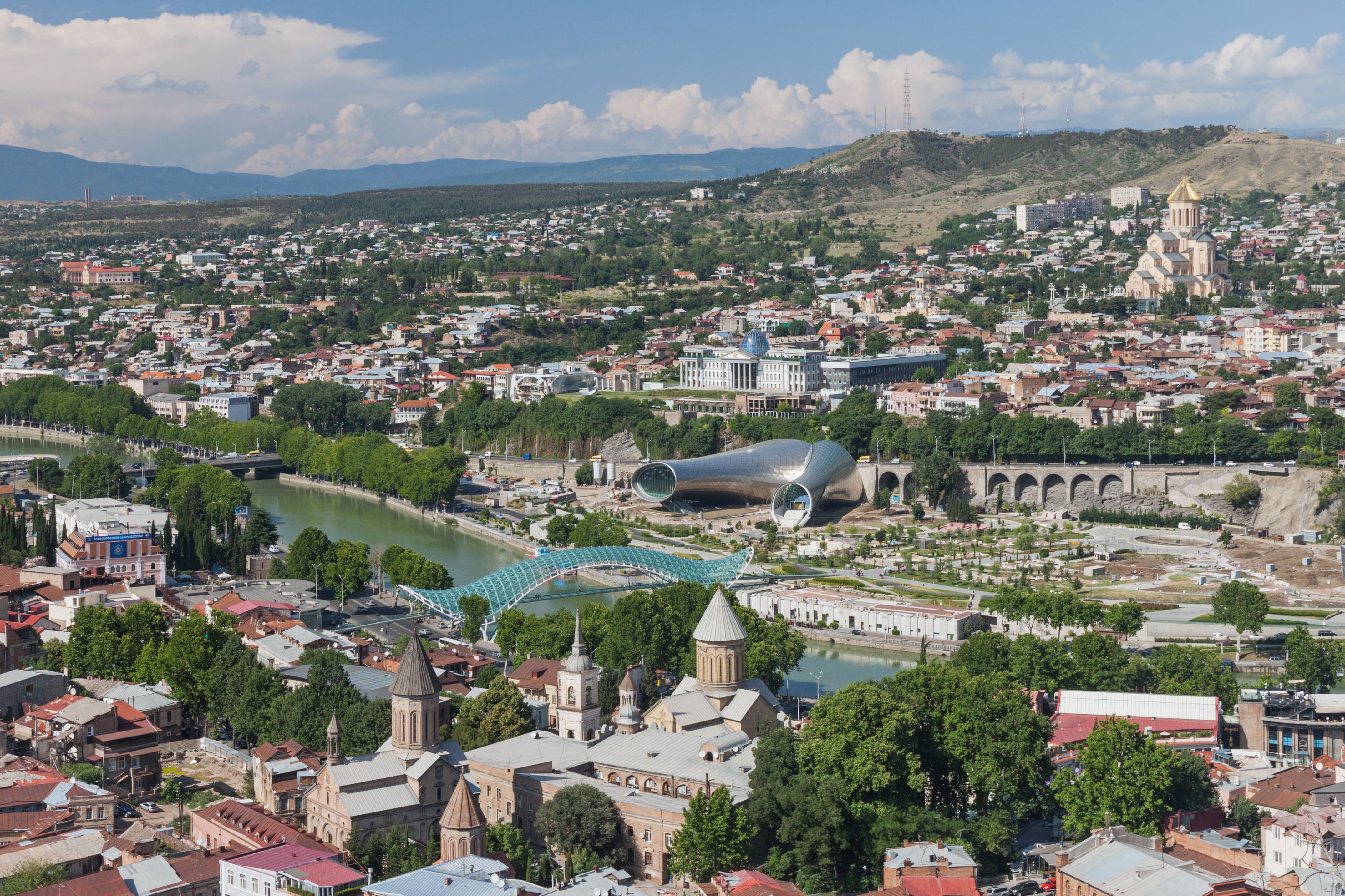
Tbilisi is a compact, walkable city with a strong mix of history and modern culture. It features a UNESCO-listed Old Town, historic sulphur baths, medieval fortresses, and a well-known natural wine tradition, alongside a growing nightlife and creative scene. These elements have helped build an international following that supports both tourism and longer-term relocation.
Narikala Fortress — 4th-century hilltop fortress; cable car access from Rike Park; panoramic views over the old town
Mother of Georgia (Kartlis Deda) — iconic 20m aluminium statue on Sololaki ridge, symbol of the city
Holy Trinity Cathedral (Sameba) — one of the tallest Eastern Orthodox churches in the world, completed 2004
Abanotubani sulphur baths — the hot springs that gave Tbilisi its name; domed bath houses in the old town
Rustaveli Avenue — main cultural boulevard; Georgian National Museum, Opera and Ballet Theatre, Parliament Building
Mtatsminda Funicular & Pantheon — historic funicular to Mtatsminda hill; cemetery of Georgian writers and intellectuals
Dry Bridge Market — open-air flea market with Soviet antiques and handicrafts; open 365 days a year
Natural wine — one of the world’s oldest winemaking regions (8,000 years); dense concentration of natural wine bars and cellars
Khinkali & khachapuri — the two dishes every visitor learns; widely available at very low cost in local restaurants
Fabrika — repurposed Soviet textile factory; co-working spaces, bars, design studios, and a popular outdoor courtyard
Nightlife and music — internationally recognised electronic music scene; Bassiani and other clubs draw visitors from across Europe
Green spaces — Vake Park, Rike Park (riverside), Mziuri Park, National Botanical Garden at Narikala
International schools — several English-language and IB schools including QSI and Tbilisi International School
Co-working and tech — growing infrastructure for remote workers; Fabrika, Impact Hub, and independent spaces
Day trips from Tbilisi include Mtskheta (ancient capital, 20 minutes), the wine region of Kakheti (1.5 hours), the mountain town of Kazbegi (2.5 hours), and the cave city of Uplistsikhe (1.5 hours). Georgia’s compact size makes most of the country accessible in a single day from the capital.
Connectivity
Tbilisi International Airport operates year-round routes to over 40 destinations. Key connections for the UAE and international investor market:
Within the city, Tbilisi has a metro network of two lines, a bus system, and widely available ride-hailing. Most central districts are walkable between each other. A metro extension is underway to improve connectivity to newer residential areas including Didi Digomi.
Tbilisi’s timezone (UTC+4) is the same as Dubai and sits between the UAE and most of Europe — making same-day communication with tenants and managers in both directions practical for remote investors.

Frequently Asked Questions
Yes. Tbilisi is a year-round rental market with steady demand from professionals, students, expats, and diplomats. Average gross rental yield stood at 7.78% in Q1 2025, moderating to 7.42% by Q1 2026 (Global Property Guide), with some districts exceeding 10%. New-build prices averaged $1,312 per sqm in 2025, rising 4.1% year on year, and continued growth is forecast for 2026 (Colliers Georgia).
The most affordable districts are Didi Dighomi ($650–1,000 per sqm), followed by Gldani and Samgori ($700–950 per sqm). These areas are still developing and tend to deliver the highest yields, with Didi Dighomi reaching up to 10.18% gross. Saburtalo sits in the mid-range ($1,000–1,580 per sqm) and offers strong liquidity and easier resale.
Didi Dighomi leads with gross yields of 7–10%+ depending on unit size (Global Property Guide; Cushman & Wakefield Georgia), followed by Isani, Gldani, and Nadzaladevi. Premium districts such as Vake and Saburtalo offer lower yields but stronger tenant quality and more stable capital values.
Yes. Foreign nationals can freely buy, own, and sell property in Georgia with no restrictions. Ownership is registered at the National Agency of Public Registry (NAPR) using a blockchain-based system that can be verified online for 1 GEL (~$0.37). There is no minimum investment requirement.
Rental income is taxed at a flat 5% for registered landlords. Capital gains are 0% after a 2-year holding period. There is no property transfer tax or stamp duty. Annual property tax ranges from 0–1%, depending on value and municipality. Full details are available through the Georgian Revenue Service.
After agreeing on terms, a preliminary agreement is signed and registered at NAPR within 1–4 business days (fee: 50–200 GEL). Legal and notary costs typically range from $200–500. Off-plan purchases usually follow developer payment plans, with 20–30% down and the balance paid over 2–5 years at 0% interest.
Tbilisi is compact, walkable, and known for its café culture, restaurants, and natural wine scene. Monthly living costs for a single person typically range from $1,000–2,000. English is widely used in business and hospitality, supported by a growing expat and digital nomad community. The city also offers international schools, private healthcare, and co-working spaces. Citizens of the UAE, UK, EU, and US can stay visa-free for up to 365 days.
Yes. Purchasing property in Tbilisi valued at the GEL equivalent of $150,000 or more qualifies you to apply for Georgia's Investment Residence Permit — a 1-year renewable permit covering you, your spouse, and dependent children. A $300,000 investment qualifies for a 5-year permit with a path to permanent residency. The property just needs to be registered in your name at NAPR.
Yes. Georgia consistently ranks as one of the safer countries in the region. Tbilisi has a low rate of violent and street crime relative to most European capitals. The city has a large expat and tourist population and is generally considered safe to walk at night in central districts. Standard urban precautions apply as in any large city.
The market is predominantly apartments — studios and 1, 2, and 3-bedroom units across new-build and secondary stock. Typical new-build apartments range from 35 to 120 sqm. Heritage properties in the Old Town and Sololaki include larger courtyard homes and renovated historic buildings. Standalone houses exist in outer districts but are less common as investment stock. Most investor purchases are 1 or 2-bedroom apartments in central or mid-ring districts.
Data sources: TBC Capital Real Estate Report 2025 · Galt & Taggart Georgia Residential Property Report 2024–2025 · Global Property Guide Q1 2025 · Colliers Georgia (December 2025) · National Agency of Public Registry (NAPR) · Georgian Revenue Service. Last reviewed April 2026.
Metropolitan Premium Properties
-
 [email protected]
-
+971 4 428 6151
-
36th-38th Floor, Al Salam Tecom Tower,
Internet City, Dubai, UAE


Get A Free Consultation
Ready for your new home?
Popular Searches in the UAE
Our newsletter
Sign up for our weekly newsletter for market updates!