
Saudi Arabia Real Estate
New coastal developments on the Red Sea, luxury communities near Diriyah, and a growing residential market in Riyadh and Jeddah, now open to foreign ownership under the 2026 law.
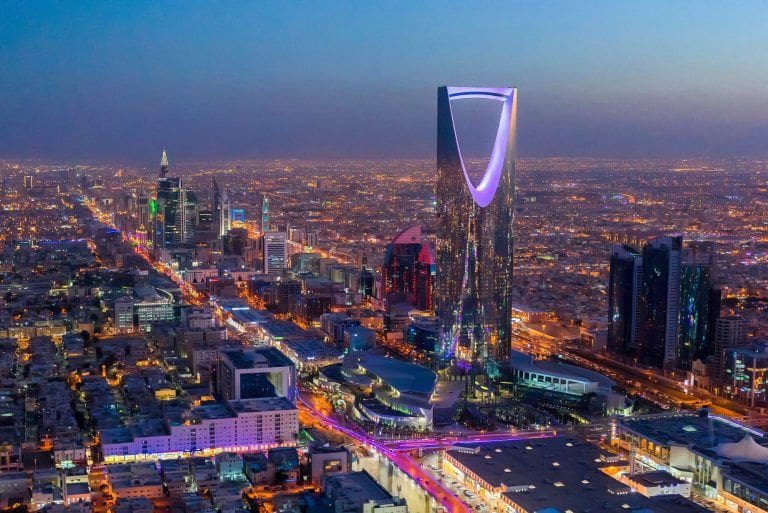
Areas in Saudi Arabia
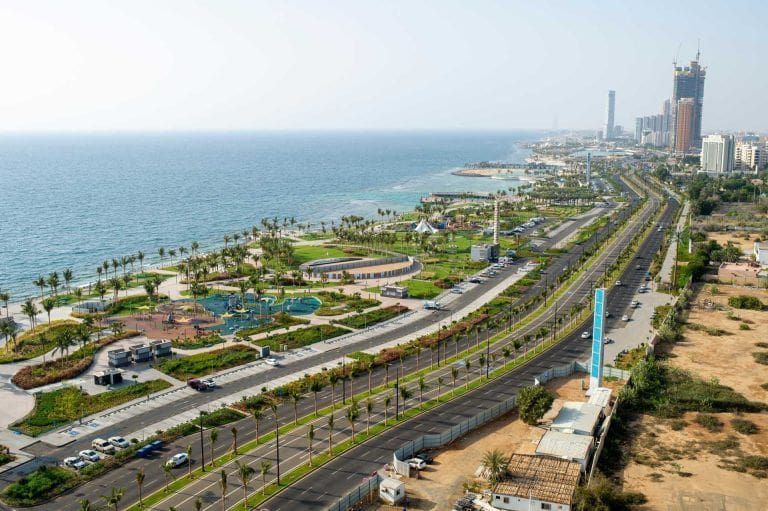
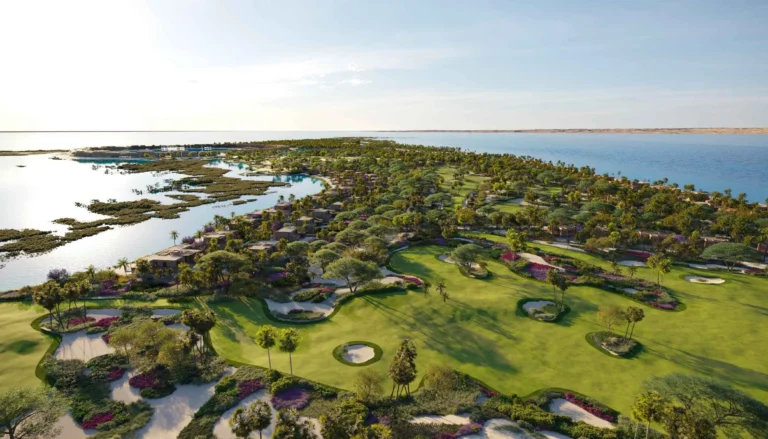
Projects in Saudi Arabia
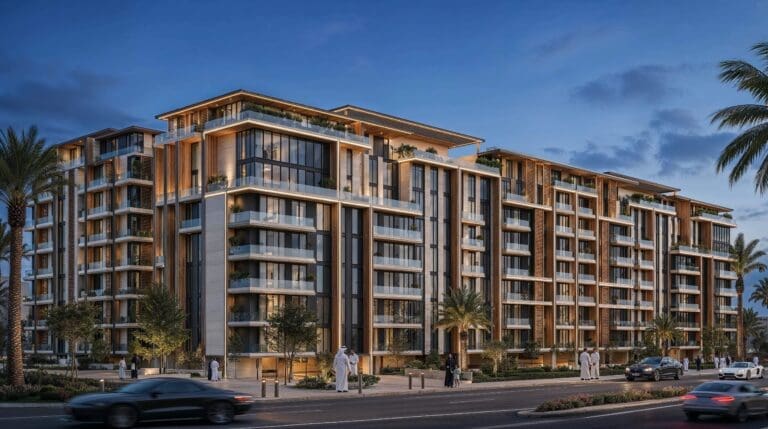
About Saudi Arabia
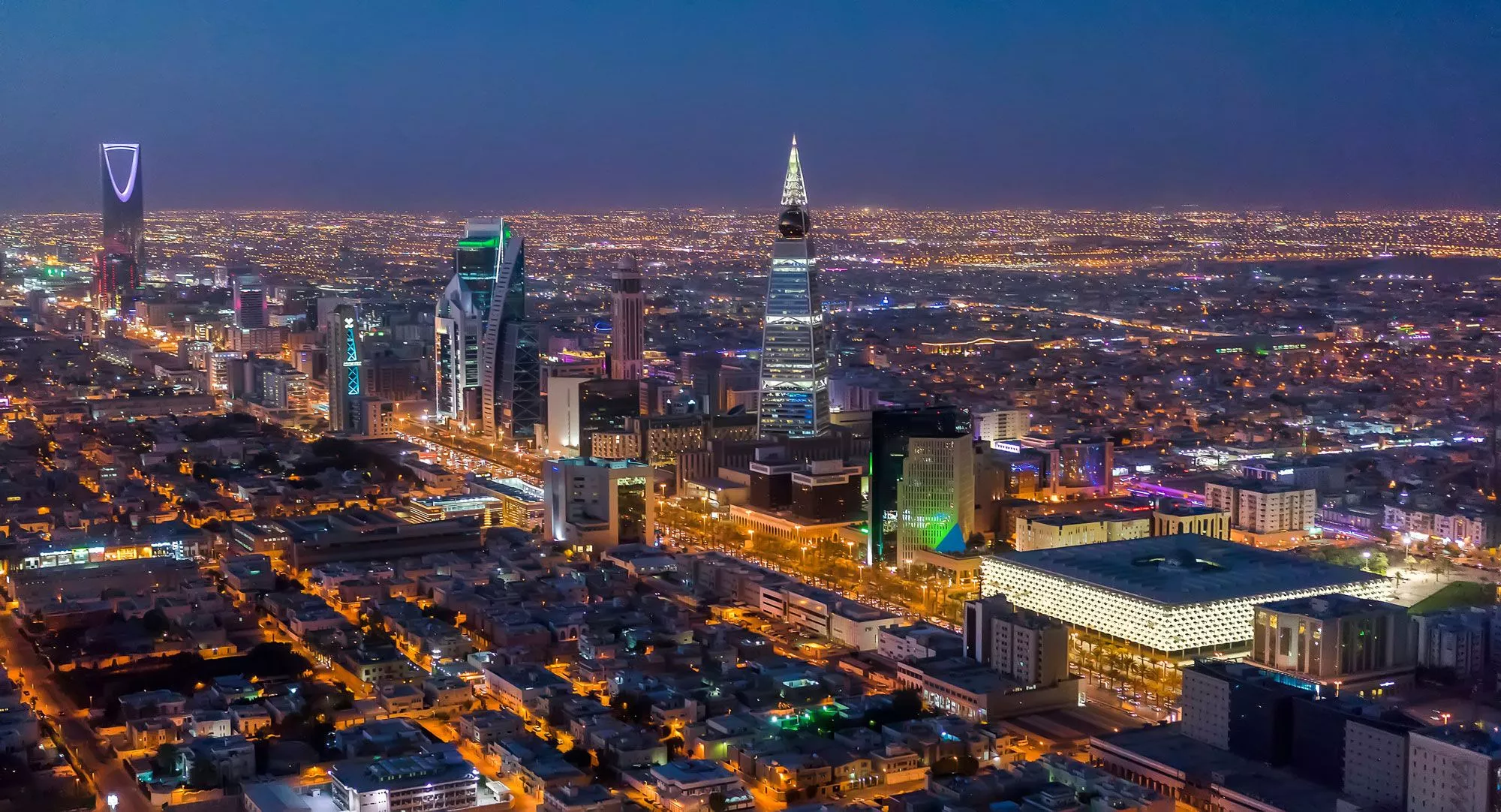
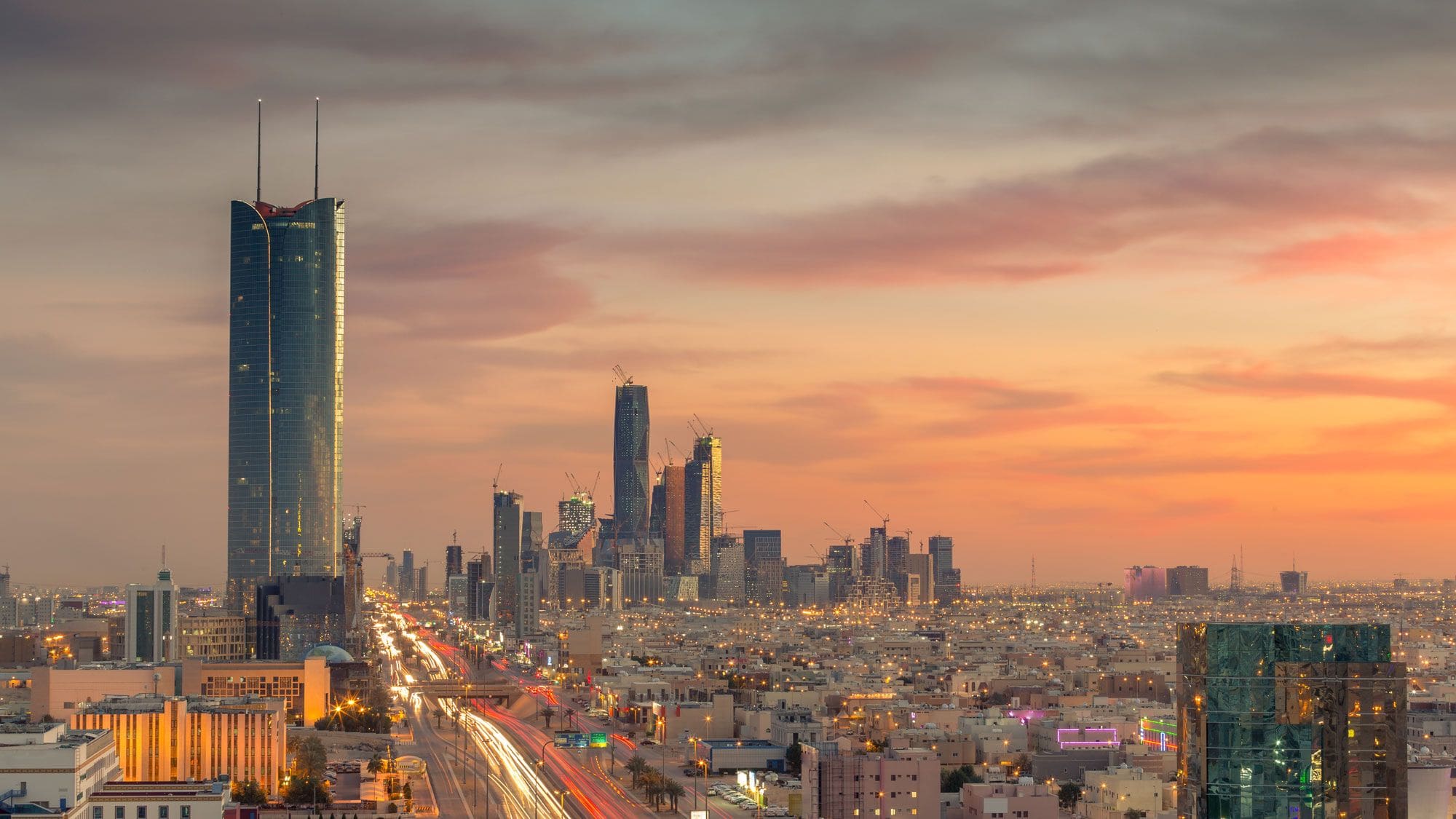
Saudi Arabia is the largest economy in the Arab world and one of the fastest-growing real estate markets globally. Vision 2030 has committed over USD 1 trillion to tourism, housing, and infrastructure — directly creating new demand zones and a market that looks materially different from just a few years ago. The residential sector is valued at around USD 72.8B in 2026 and is expected to reach nearly USD 103B by 2031. In January 2026, the country opened parts of its property market to foreign buyers for the first time in a structured way, allowing ownership in designated zones across all major markets.

Property Prices in Saudi Arabia
Property prices across Saudi Arabia’s main cities have increased significantly over the past five years, with Riyadh leading the growth. According to Knight Frank data, certain unit types in the capital have nearly doubled in value since 2021. City averages below are based on Cavendish Maxwell’s annual 2025 KSA Residential Market report.
| City | Property type | Avg. price / sqm (SAR) | Avg. price / sqm (USD) | YoY change |
| Riyadh | Apartments | SAR 6,245 | ~USD 1,665 | +6.6% |
| Riyadh | Villas | SAR 5,640 | ~USD 1,504 | +9.7% |
| Jeddah | Apartments | SAR 4,385 | ~USD 1,169 | +1.2% |
| Jeddah | Villas | SAR 5,185 | ~USD 1,383 | +3.2% |
Typical purchase prices by property type — Riyadh
| Property type | Size | Price (SAR) | Price (USD) |
| Studio / 1-bed apartment | ~60 sqm | ~SAR 375,000 | ~USD 100,000 |
| Family apartment | ~120 sqm | ~SAR 800,000 | ~USD 213,000 |
| Duplex / townhouse | ~200 sqm | ~SAR 1,250,000 | ~USD 333,000 |
| Standard villa | ~280 sqm | ~SAR 1,580,000 | ~USD 421,000 |
| Luxury villa (prime north) | ~450 sqm | ~SAR 4,300,000 | ~USD 1,147,000 |
Indicative estimates based on city average per sqm figures from Cavendish Maxwell 2025; actual prices vary by location and specification.
How Saudi Arabia compares to Dubai
| Metric | Saudi Arabia (Riyadh / Jeddah) | Dubai (mid-tier) |
| Entry price per sqm | USD 1,165–1,665 (apts, Jeddah–Riyadh) | USD 4,000–5,000 |
| Avg. gross rental yield | 6.84–9% (Q1 2026) | 6–7% (apartments avg. ~6.8%, 2025) |
| Riyadh / Dubai apartment rent growth | +19.6% YoY (2025, JLL Q3) | ~8–9% YoY (2025) |
| Transaction tax (local buyer) | 5% RETT | 4% DLD fee |
| Transaction cost (foreign buyer) | ~10% (RETT + disposal fee) | ~6–8% (DLD + agent) |
| Rental income tax | 0% (individuals) | 0% |
| Foreign ownership | Designated zones (2026 law) | Freehold in designated zones |
| Market size trajectory | USD 72.8B → USD 102.9B by 2031 | Mature; slower structural growth |
Entry prices in Saudi Arabia are still lower than in Dubai. For example, a family apartment in Riyadh priced around USD 213,000 would typically cost USD 600,000 or more in Dubai. Rental yields are also strong, with Riyadh averaging around 8–9%, which is higher than most Dubai sub-markets. The key difference is market stage — Saudi Arabia is still in a growth phase, while Dubai is a more mature market where much of the price expansion has already happened.
*The price is valid for 2026
Areas Guide
Saudi Arabia’s property market is mainly concentrated in four key zones, each driven by different demand, buyer profiles, and price levels.
Giga-Projects and What They Mean for Buyers
Saudi Arabia is delivering one of the largest development programmes globally, with over USD 1 trillion committed across tourism, housing, entertainment, and infrastructure. For real estate buyers, this creates two main effects: rising housing demand around new job hubs and entirely new investment locations that did not exist a few years ago.
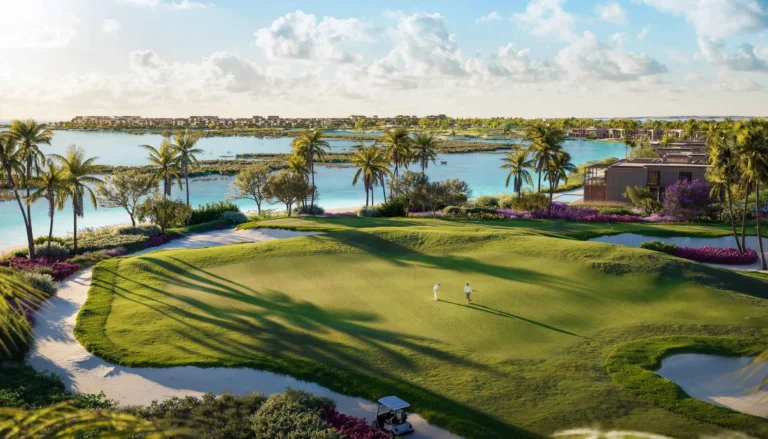
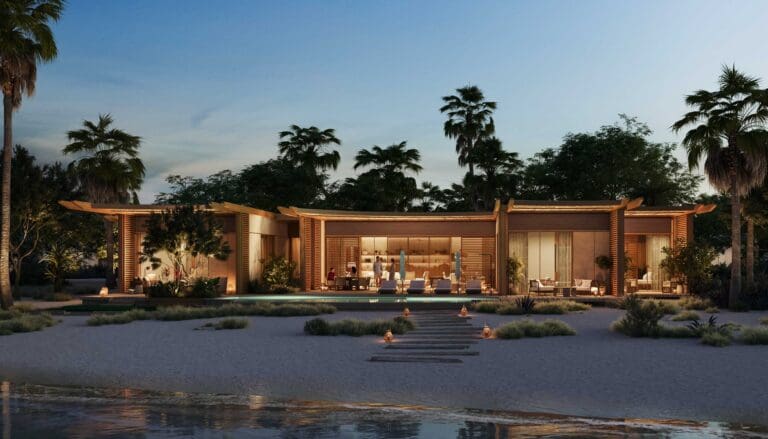
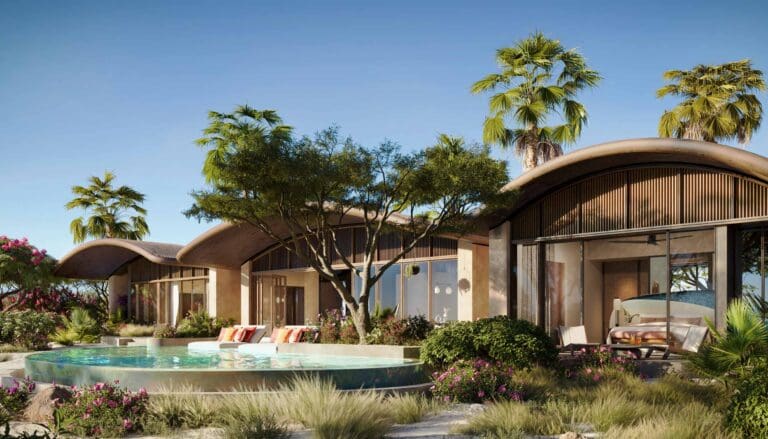
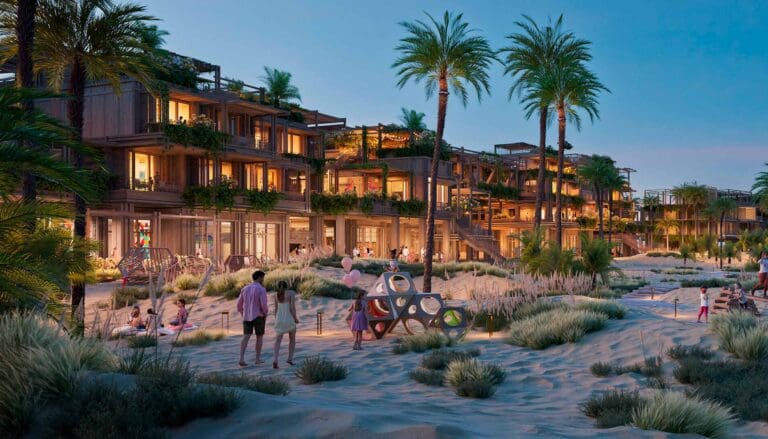
Red Sea Global is one of the most relevant projects for property buyers. The Red Sea destination already has Phase 1 infrastructure complete, with thousands of hotel rooms operating across multiple resorts. Branded residences have also been delivered and are available for purchase, with the area already starting to form a live tourism and resale market.
ROSHN, backed by the Public Investment Fund, is focused on delivering large-scale residential communities and supporting Saudi Arabia’s homeownership goals. Projects like SEDRA in north Riyadh and ALAROUS in north Jeddah are designed for mid-market demand and set new standards for community living and infrastructure.
New Murabba is Riyadh’s new downtown development. It covers 19 square kilometres in the northwest of the city and includes the Mukaab, a large immersive landmark structure. The project is planned to include over 100,000 homes and is considered a major long-term growth driver for northern Riyadh.
Diriyah is a major cultural and luxury destination near Riyadh, valued at around USD 62B and targeting millions of visitors annually by 2030. It includes residential areas, heritage sites, and high-end hospitality projects. Nearby developments in Wadi Safar also fall within its wider growth zone.
NEOM and Qiddiya are longer-term projects. NEOM’s timeline has been adjusted and parts of The Line are still under review, while Qiddiya is progressing, with some attractions already open. Both remain long-term contributors to Saudi Arabia’s real estate pipeline.
Makkah and Madinah are the two holy cities in Saudi Arabia and have strict ownership rules. Non-Muslims cannot buy property there under the 2026 law. Muslim expatriates may own property only in designated zones under specific conditions set by REGA. All other major markets, including Riyadh, Jeddah, and the Red Sea coast, are open to foreign buyers within approved areas.
Buying Process and Costs
Saudi Arabia’s 2026 foreign ownership law created a clearer framework for international buyers, with defined zones and formal registration requirements.
All foreign purchases must be completed through the official Saudi Properties digital platform and registered with the Real Estate Registry (REGA). Unregistered ownership is not legally valid.
| Cost | Amount | Notes |
| Real Estate Transaction Tax (RETT) | 5% | Standard tax on all property transfers in Saudi Arabia |
| REGA disposal fee (non-Saudis only) | Up to 5% | New under the 2026 law; levied on transfers involving foreign buyers |
| Total transaction cost (foreign buyer) | ~10% | Combined RETT + disposal fee; highest predictable cost item |
| Agent commission | Negotiable | Often covered or shared on new developer projects |
| Legal / notary fees | Variable | Recommended for foreign buyers navigating the registration process |
| Rental income tax | 0% | No personal income tax on rental income for individuals |
| Annual property tax | 0% | No annual property holding tax in Saudi Arabia |
Most off-plan purchases are structured through developer payment plans — typically 20–80% or 80–20% splits tied to construction milestones. Expat residents with a valid iqama can access mortgage financing through banks such as Saudi National Bank, Al Rajhi Bank, and Riyad Bank, with rates between 5.8–7.8% and LTV of 70–85%. Non-residents typically buy in cash.
Foreign buyers — can purchase only within REGA-approved designated zones; iqama holders may additionally own one residential property outside those zones for personal use
Penalties — for false information or unregistered transactions can reach SAR 10 million; legal guidance is strongly recommended for first-time buyers
Lifestyle and Connectivity
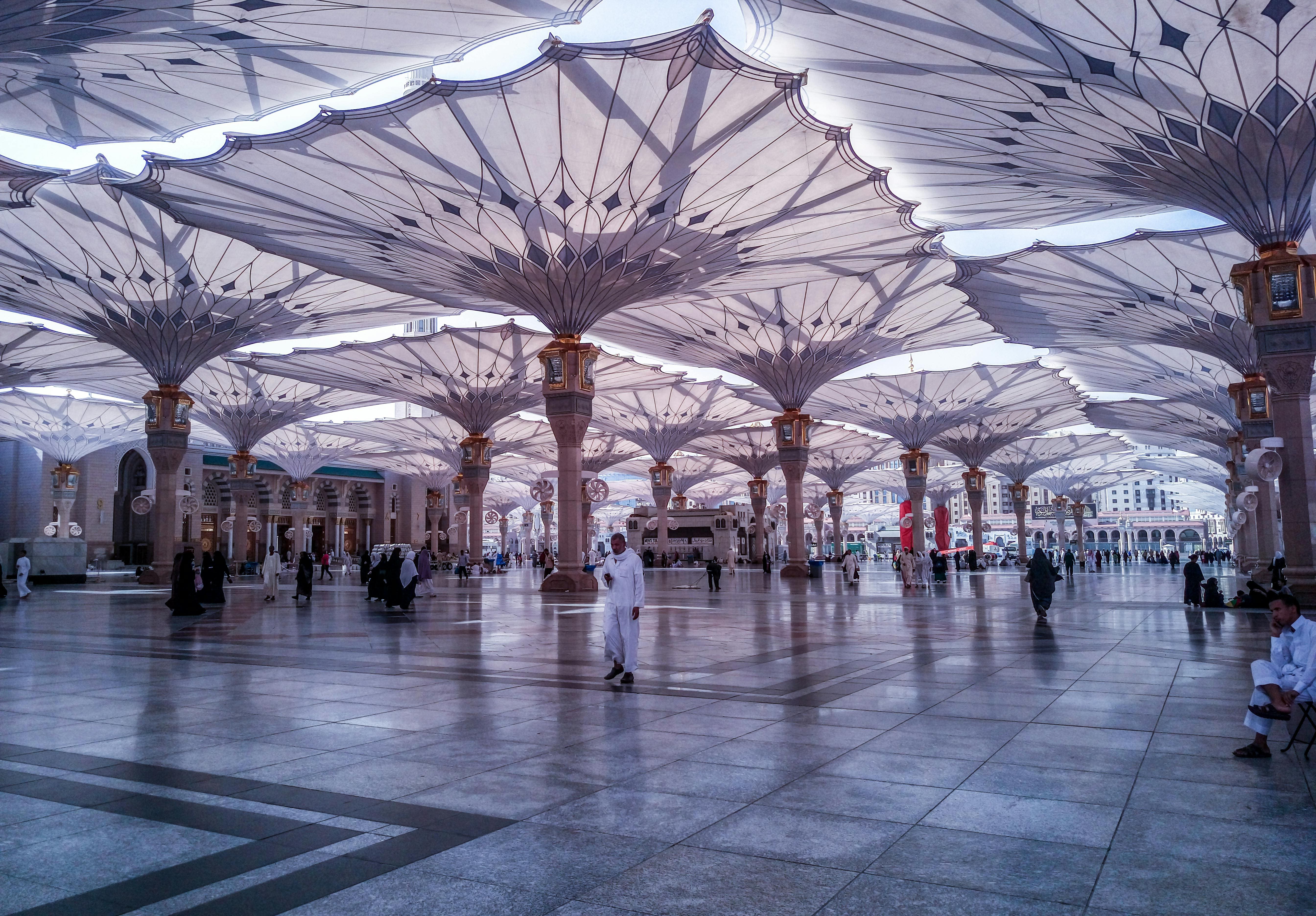
Saudi Arabia’s investment markets span very different environments — from the fast-moving business capital of Riyadh and the coastal character of Jeddah, to the self-contained luxury of the Red Sea destination and the heritage depth of Diriyah. The country has over 300 sunny days a year, no personal income tax, and direct air connections from the UAE that make it one of the most accessible markets for Gulf-based buyers.
Red Sea coast — self-contained luxury destination with year-round sun, world-class diving, snorkelling, and watersports; branded resort residences already operational
Diriyah and heritage — UNESCO World Heritage Site at At-Turaif open now; dining, cultural events, and a growing calendar of international performances in Riyadh’s historic quarter
Entertainment pipeline — Qiddiya (Six Flags open), King Salman Park, Boulevard Riyadh City, and Expo 2030 all adding new leisure infrastructure to the capital
International schools — Riyadh and Jeddah have established international school networks (British, American, IB curricula) serving the large expat communities in both cities
Healthcare — private hospital infrastructure is well developed in Riyadh and Jeddah, with internationally accredited facilities serving both locals and residents
No income tax — no personal income tax on salaries or rental income for individuals; no annual property holding tax
300+ sunny days a year — mild winters across all markets; Red Sea coast is comfortable year-round
Frequently Asked Questions
Yes. Since 21 January 2026, foreign buyers can purchase property in designated zones approved by the Council of Ministers and regulated by REGA. Expats with a valid iqama can also own one additional residential property outside these zones for personal use. All transactions must be registered through the official Saudi Properties platform.
Total transaction costs are usually around 10% of the purchase price. This includes a 5% real estate transaction tax (paid by all buyers) and a 5% REGA disposal fee applied to foreign buyers. In most cases, this is negotiated between buyer and seller.
Average gross rental yields are around 6.8% nationally. Riyadh leads with around 8–9%, while selected areas can reach up to 10%. Jeddah averages close to 7.9%. Net yields are typically slightly lower after costs like maintenance and vacancies.
Yes, but mainly for expat residents with a valid iqama and local income. Banks like SNB, Al Rajhi, and Riyad Bank offer mortgages with rates around 5.8–7.8% and financing up to 70–85%. Non-residents usually buy in cash or use developer payment plans for off-plan projects.
Red Sea Global is a Public Investment Fund developer behind Saudi Arabia's Red Sea destination. Phase 1 is already operational, with branded residences on Shura Island (Four Seasons, Jumeirah, Miraval by Hyatt, SLS) and residential villas and apartments on Laheq Island, with handovers from 2028.
There is no personal income tax on rental income and no annual property tax for individuals. The main costs are paid at purchase stage through transaction fees. Corporate investors may be subject to different tax rules.
Vision 2030 is Saudi Arabia's long-term development plan, driving over USD 1 trillion in investment across real estate and infrastructure. It is creating new residential markets, major tourism destinations, and supporting large-scale housing delivery through projects like ROSHN.
No. Property ownership does not automatically grant residency or citizenship. Residency is usually tied to employment (iqama) or separate programmes like Premium Residency, which has its own requirements.
Data sources: Global Property Guide Q1 2026 · Cavendish Maxwell KSA Residential Market Performance 2025 · Mordor Intelligence Saudi Arabia Real Estate Market Report (January 2026) · Knight Frank KSA · King & Spalding — New Foreign Ownership Law · Saudi Real Estate General Authority (REGA). Last reviewed April 2026.
Metropolitan Premium Properties
-
 [email protected]
-
+971 4 428 6151
-
36th-38th Floor, Al Salam Tecom Tower,
Internet City, Dubai, UAE


Get A Free Consultation
Ready for your new home?Leave a Request
Popular Searches in the UAE
Our newsletter
Sign up for our weekly newsletter for market updates!