Egypt is one of the largest real estate markets in the Middle East and Africa, with a population of over 107 million and a growing urban base. Most investment activity is concentrated in Cairo and its surrounding new cities, while the North Coast, Red Sea and Sinai focus on resort-style, seasonal demand.
The Egyptian pound depreciated by around 70% against the US dollar between 2022 and 2024, significantly increasing purchasing power for investors holding USD or AED. While local prices in EGP have risen, dollar-equivalent entry costs remain comparatively low.
Interest from Gulf investors has grown sharply. A 2025 Knight Frank survey found that 94% of wealthy GCC investors are considering Egyptian property. Major deals include the USD 35 billion Ras El-Hekma project, the largest foreign real estate investment in Egypt’s history. In 2024 the country’s top 21 developers recorded EGP 1.4 trillion in sales, double the previous year.
USD 22.15B
Residential market size, 2024
6.77%
National average gross yield, Q2 2025
94%
GCC investor interest (Knight Frank survey, 2025)
98%
Off-plan share of all transactions
Egypt’s property market is primarily EGP-denominated, so the currency dynamic is central to the investment case. New Cairo apartments priced by local buyers at EGP 61,550 per sqm translate to roughly USD 1,230 per sqm for a dollar buyer, compared to USD 3,000-8,000 per sqm for comparable quality in Dubai. National prices have risen around 30% in EGP terms through 2025, but in dollar terms assets remain at historically low levels.
Currency note: all markets in Egypt except El Gouna are priced and transacted in EGP, so investors hold Egyptian pound exposure. If the pound recovers, USD-equivalent returns improve; if it depreciates further, the reverse applies. El Gouna is the only market where property is priced, sold and rented in US dollars.
Each of Egypt’s six main investment markets has a different character, rental dynamic and investor profile:
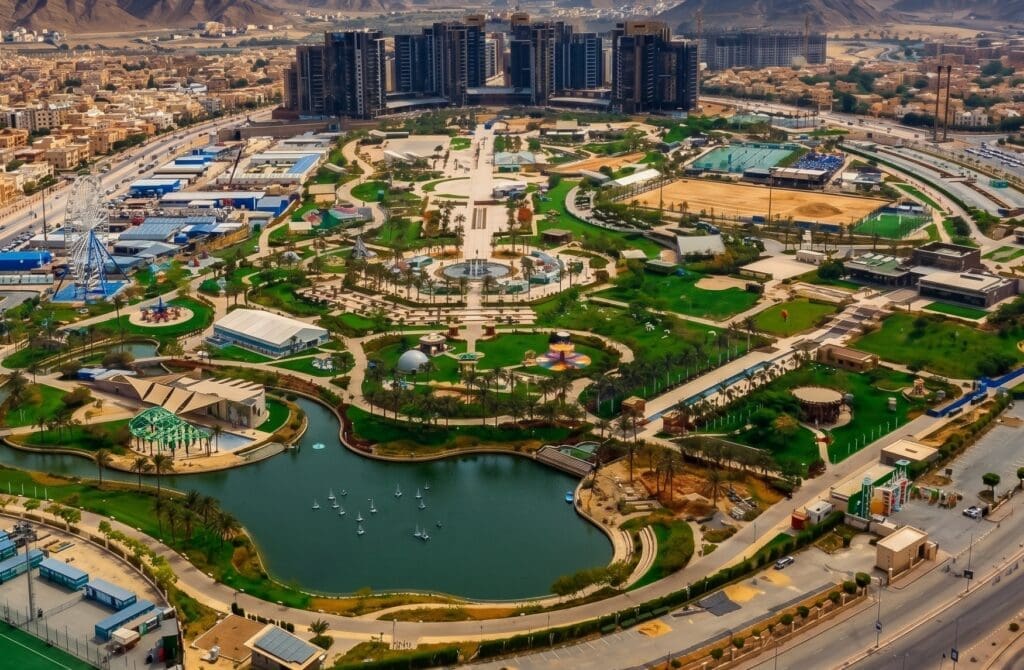
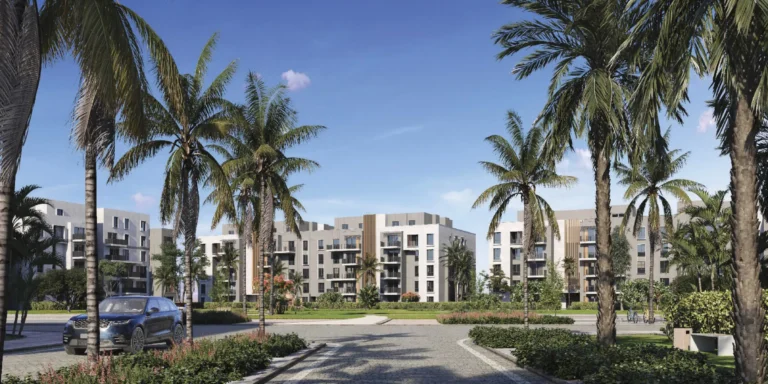
New Cairo. Egypt’s strongest rental market, driven by professionals, students, expats and government workers. The Fifth Settlement is the main investment area. Smaller units can achieve 10%+ gross yields, and it is one of the most liquid resale markets in the country.
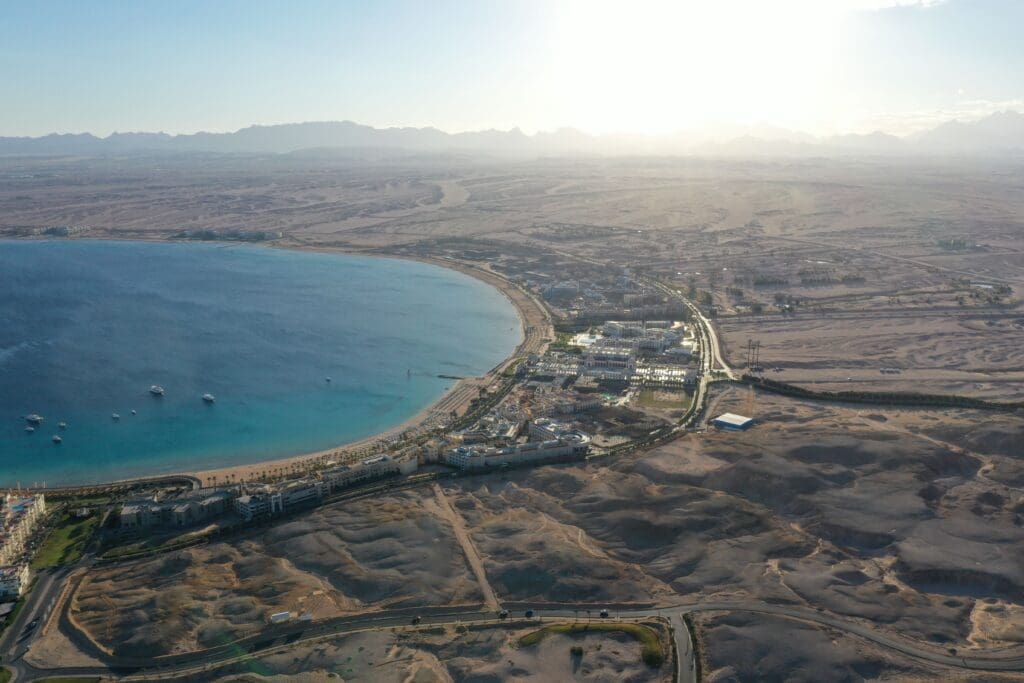
El Gouna. A fully integrated Red Sea resort town developed by Orascom, with hotels, schools, a hospital and its own airport. Strong foreign buyer demand and steady year-round tourism.
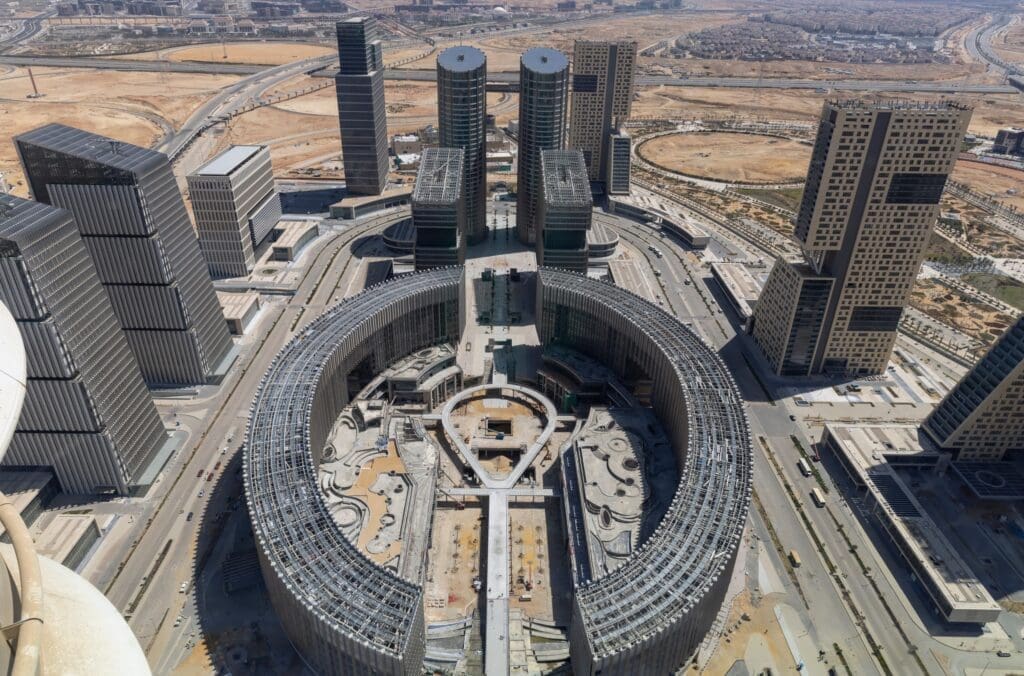
New Administrative Capital. Egypt’s new government city, 45 km east of Cairo, where ministries are relocating and infrastructure is expanding quickly. Rental yields are still low, with projected capital growth of 30-50%.
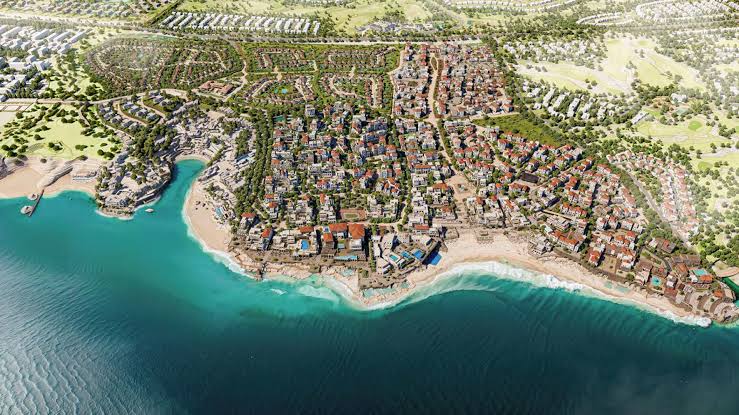
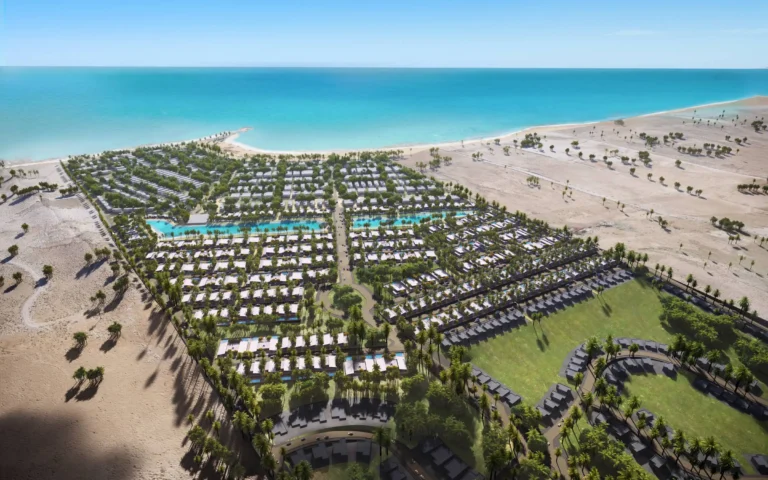
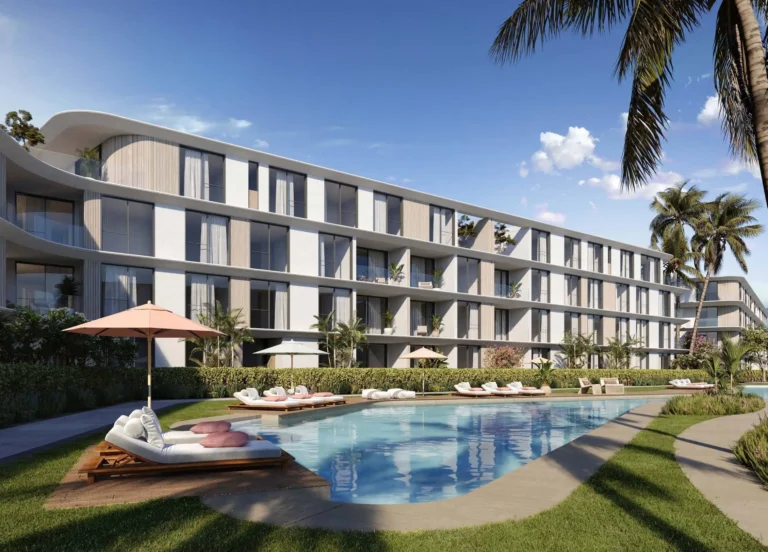
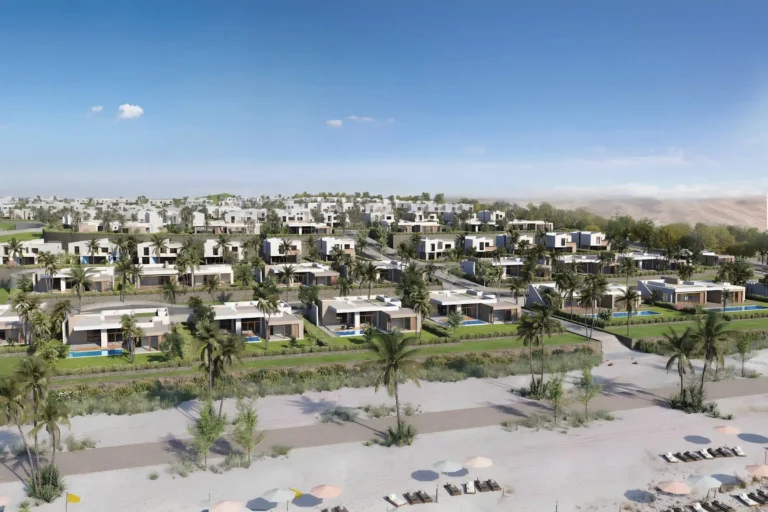
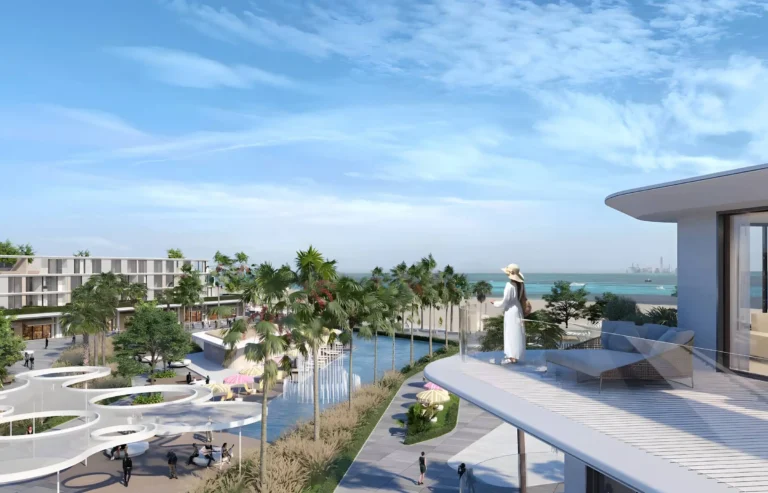
North Coast (Sahel). Egypt’s main summer destination, with most rental activity between June and September. Primarily a lifestyle and capital appreciation market. Major developments include Marassi and Ras El-Hekma.
Ain Sokhna / Galala. Within 90 minutes of Cairo and popular for weekend trips, with an active season of 6-8 months. IL Monte Galala is a key anchor development.
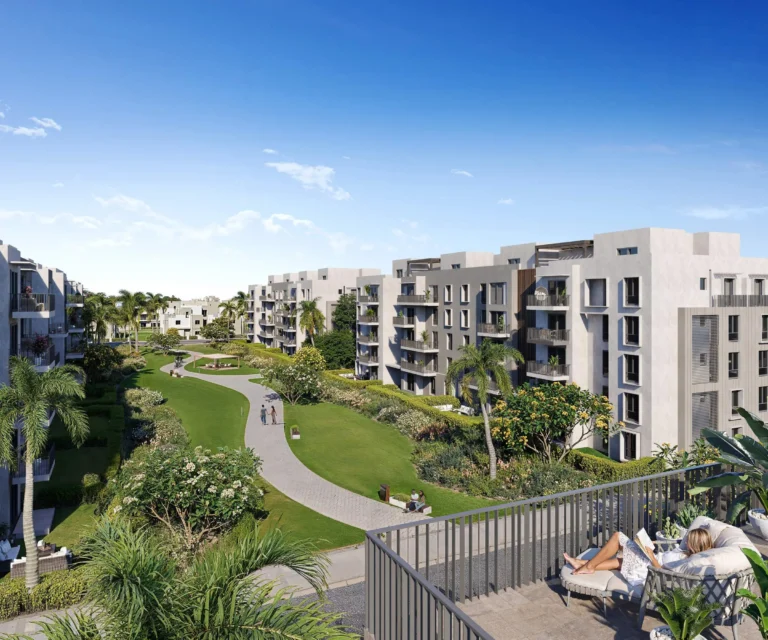
6th of October / Sheikh Zayed. The most affordable major residential areas in Greater Cairo. Key projects include Badya, West Town, Vye and New Giza, with steady rental demand from students, families and professionals.
Egypt’s off-plan market operates differently from Dubai. Almost all purchases are made directly with developers through instalment plans, and mortgages are rarely used by foreign buyers.
For example, a USD 200,000 property with a 10% down payment requires USD 20,000 upfront, with the balance paid over time without financing costs. Foreign buyers usually transfer funds in foreign currency through state-owned banks such as Banque Misr or the National Bank of Egypt, which allows funds to be repatriated when the property is sold.
Several developers in Egypt are well known to UAE and GCC investors:
- Emaar Misr (Dubai Emaar Properties subsidiary, EGX-listed): recorded EGP 174 billion in sales in the first nine months of 2025. Key projects: Marassi (North Coast), Mivida (New Cairo), Uptown Cairo, Cairo Gate and Belle Vie (6th October).
- SODIC (majority owned by Aldar Properties, Abu Dhabi, EGX-listed): Aldar acquired a controlling stake in 2021. Key projects: West Town, The Estates, Villette, Allegria, Vye and Karmell.
- Modon Holding (Mubadala subsidiary, Abu Dhabi): developer of the 170 square kilometre Ras El-Hekma master plan, about 170 km west of Alexandria, with a timeline of 10-20 years. The first residential phase, Koun, expects initial handovers from 2026.
Egypt offers property-linked residency permits at relatively low thresholds, and all tiers can be met through off-plan purchases:
- USD 50,000 in property: 1-year renewable residence permit
- USD 100,000 in property: 3-year renewable residence permit
- USD 200,000 in property: 5-year renewable residence permit
- USD 300,000 in property: path to Egyptian citizenship
Thresholds are met in foreign currency converted through a state-owned Egyptian bank. Multiple properties can be combined, and a spouse and dependent children are typically included under the same permit.
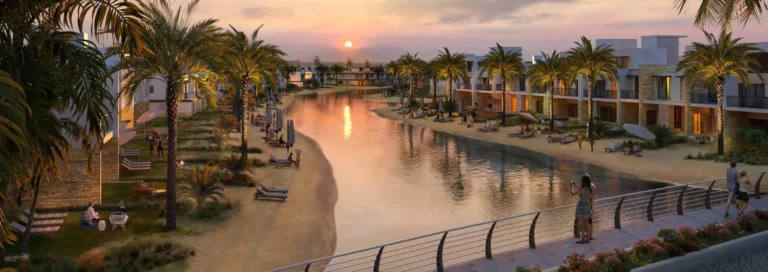
Egypt offers a range of environments, from the density and culture of Cairo and its new cities to Mediterranean beach clubs on the North Coast and year-round Red Sea resort living in El Gouna.
- Ancient heritage: the Pyramids, Luxor temples and the Valley of the Kings.
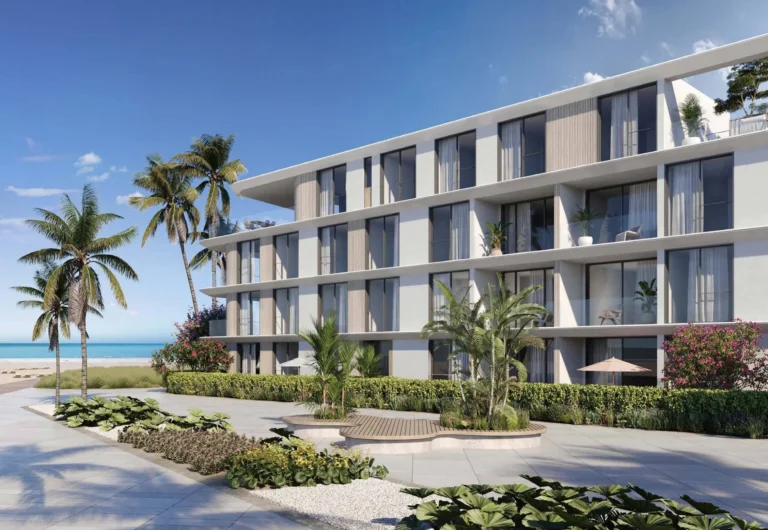
- Mediterranean coastline: North Coast beach clubs and resort compounds, with a summer lifestyle from June to September.
- Red Sea diving and water sports: El Gouna and Hurghada are among the world’s top dive destinations.
- Cairo city life: restaurants, culture, the Nile and a fast-growing expat community.
- New city infrastructure: New Cairo and the New Administrative Capital have international schools, private hospitals and large retail centres.
- Climate: over 300 sunny days a year across all markets.
Data sources: Knight Frank Destination Egypt 2025; Global Property Guide Q2 2025; Emaar Misr IR reports (9M 2025); Orascom Development IR reports; Nawy / Aqarmap (2025); Central Bank of Egypt; JLL Egypt; CBRE Egypt. Last reviewed April 2026.