
Saudi Arabia's Premium Residency program (often called the Saudi Green Card) allows foreign nationals to live, work, invest, and own property in the Kingdom without a local sponsor. The program has seven pathways, and one is property-based: buying a residential property worth at least SAR 4 million allows you to apply for long-term residency through the Saudi Premium Residency Centre.
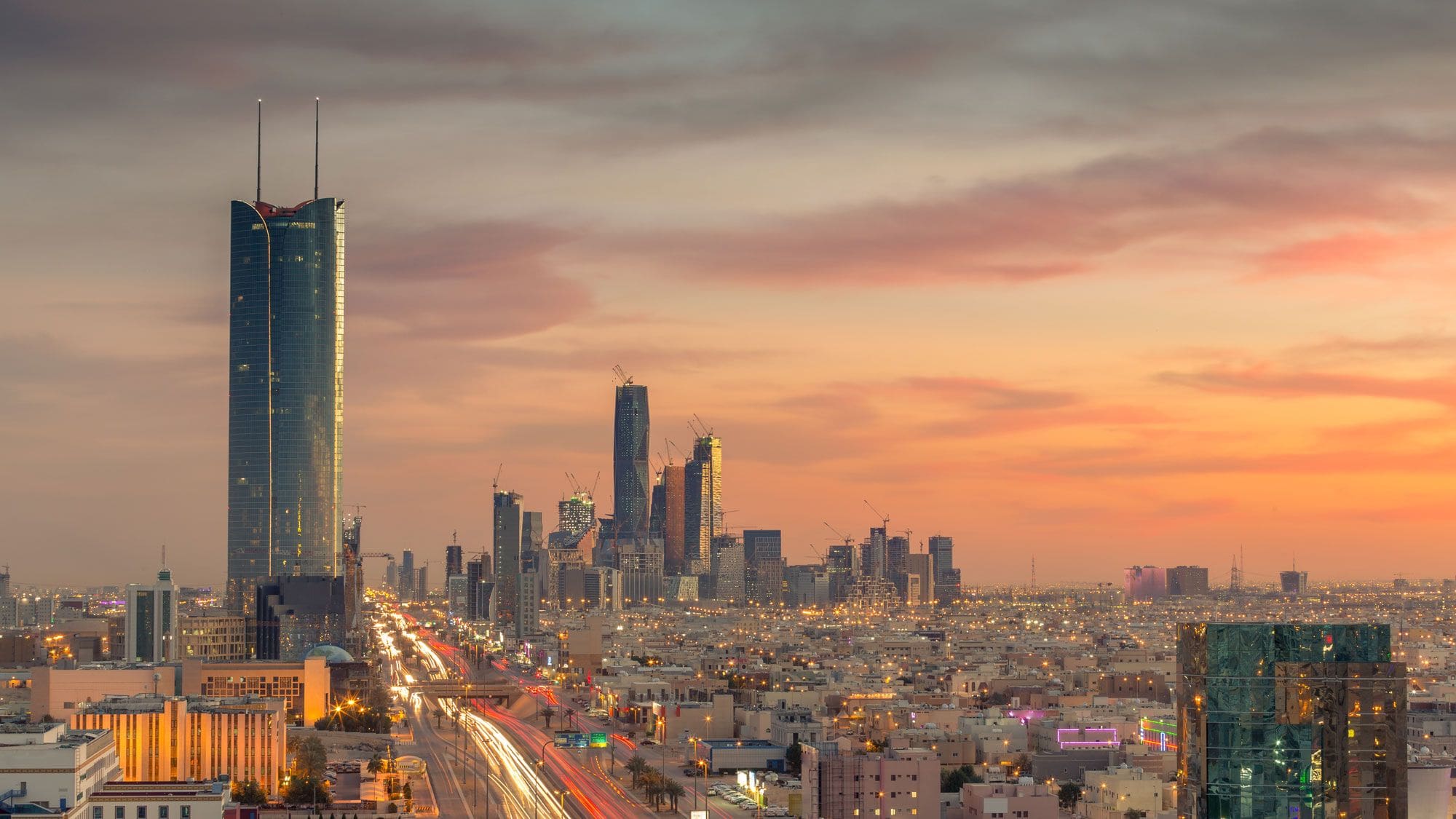
Saudi Arabia's long-term residency program
Most foreign nationals in Saudi Arabia hold an Iqama, a residency permit linked to an employer. It supports the expat workforce but limits flexibility. Changing jobs requires a new sponsor, and stopping work can affect residency status. Travel is also often tied to employer approval.
The Premium Residency program removes these limits. Introduced in 2019 under Vision 2030 and expanded in January 2024, it is self-sponsored. Holders can live and work freely, change jobs, start businesses, own property, and travel in and out of the country without extra permits.
The program includes seven pathways designed for different applicants, with two offering permanent residency and no renewal. The seven pathways are: a one-time permanent residency fee, an annual renewable fee, business investment, entrepreneurship, employment in priority sectors, exceptional talent in culture or sport, and real estate ownership.
How buying property qualifies you for residency
The Real Estate Owner Residency was introduced in January 2024 and updated under new regulations in January 2026. It offers a direct route from property investment to legal residency in Saudi Arabia. To qualify, you need to buy a residential property worth at least SAR 4 million and meet the standard eligibility criteria. Applications are submitted through the Saudi Premium Residency Centre's online platform.
Your residency is linked to the property and stays valid and renewable as long as you own a qualifying asset. If you sell without replacing it with another eligible property, your residency ends. You can switch to another Premium Residency pathway if you meet its requirements.
The property must be residential — commercial units are not eligible. It must also be fully completed and ready to live in, so off-plan properties cannot be used at the time of purchase; you can apply once construction is finished.
The property must be fully owned, with no mortgage. If it was financed, the loan must be fully repaid before applying. It must also be valued at least SAR 4,000,000 by a TAQEEM-accredited appraiser (Saudi Authority for Accredited Valuers).
Eligible properties are available in most major investment zones across Saudi Arabia, including Riyadh, Jeddah, the Eastern Province, and the Red Sea destination. These areas are part of the Kingdom's main development and foreign investment focus, with the framework expanding gradually as new zones are introduced.
At SAR 4 million (around USD 1.07 million), you typically get a luxury apartment of 300–400 sqm in Riyadh or a villa of 400–700 sqm depending on the area. In Jeddah, the same budget usually buys a large apartment of 400–600 sqm or a villa of 600–800 sqm. At the Red Sea destination, branded residences start well above this range, but the market operates differently due to large-scale, PIF-backed development and resort-style positioning.
The Real Estate Owner Residency fee is a one-time SAR 4,000 (around USD 1,065), paid separately from the property purchase. The permit is valid for up to five years and renewable as long as you continue to meet the ownership requirements. The residency fee is relatively low and only covers the permit, not the qualifying threshold.
What Premium Residency gives you
The main advantage of Premium Residency over a standard Iqama is independence from the sponsorship system.
Tax framework (for context): Saudi Arabia has no personal income tax, no capital gains tax on real estate, and no annual property tax on residential assets. These apply to all residents, not just Premium Residency holders, but they are relevant when assessing long-term relocation.
The application process
Applications are submitted online through the Saudi Premium Residency Centre platform at pr.gov.sa. The process is fully digital, but documents must be translated into Arabic and officially attested before upload.
Register on pr.gov.sa, choose your residency category, and complete the application form with personal, financial, and employment details. Applicants already in Saudi Arabia must include their Iqama number and clear any outstanding obligations first.
Required documents include a valid passport (at least 6 months remaining), a criminal record certificate, a recent medical report, health insurance, and proof of financial resources.
For the Real Estate Owner pathway, you also need the title deed, a TAQEEM valuation confirming the SAR 4 million minimum, and proof that the property is fully paid with no mortgage. All non-Arabic documents must be certified and attested.
A USD 170 assessment fee is paid when submitting the application. If approved, the residency permit fee of SAR 4,000 per applicant is paid separately (for the Real Estate Owner pathway).
The application is reviewed by the Saudi Premium Residency Centre, including background checks and document verification. Processing usually takes 60–90 business days once the application is complete. After approval, the residency card is issued within 2–4 weeks, and the digital Iqama is updated within 24–48 hours.
Frequently Asked Questions
Common questions about Saudi Arabia's Premium Residency program for property buyers.
What type of property qualifies for Premium Residency?
Residential, fully developed, mortgage-free properties valued at least SAR 4,000,000 (around USD 1.07 million) based on a TAQEEM-accredited valuation qualify for the program.
Which cities are the main focus for investment?
Most qualifying investments are concentrated in Riyadh, Jeddah, the Eastern Province, and the Red Sea destination. These are the main growth markets and the focus of ongoing development in Saudi Arabia.
Can I buy multiple properties to meet the requirement?
No. The SAR 4,000,000 threshold must be met with a single qualifying residential property.
Does buying an off-plan property qualify?
Yes, but only after completion. The property must be finished, fully paid, registered under a title deed, and meet the required valuation.
What happens if I sell the property?
Residency is linked to ownership. If you sell the property, the residency ends unless you replace it with another qualifying property or switch to a different Premium Residency pathway.
Can I rent out my property?
Yes. You can rent out the property while maintaining residency, as long as ownership and eligibility conditions remain in place.
What does the Real Estate Owner Residency cost?
The qualifying property starts from SAR 4,000,000 (around USD 1.07 million). The residency fee is a one-time SAR 4,000 (around USD 1,065), valid for up to five years, plus a USD 170 application fee. Additional costs for translation, attestation, and legal services usually range from USD 500–1,500.
How long does the application take?
Applications are usually processed within 60–90 business days once all documents are complete. After approval, the residency card is issued within a few weeks, and digital status is activated shortly after.
Can I include my family under the same residency?
Yes. Spouses, children, and parents can be included under one main applicant with full residency rights.
Does Premium Residency lead to citizenship?
No. There is no direct pathway to citizenship. Naturalization requires at least ten years of residency, Arabic fluency, and discretionary approval.