
Real Estate in Batumi
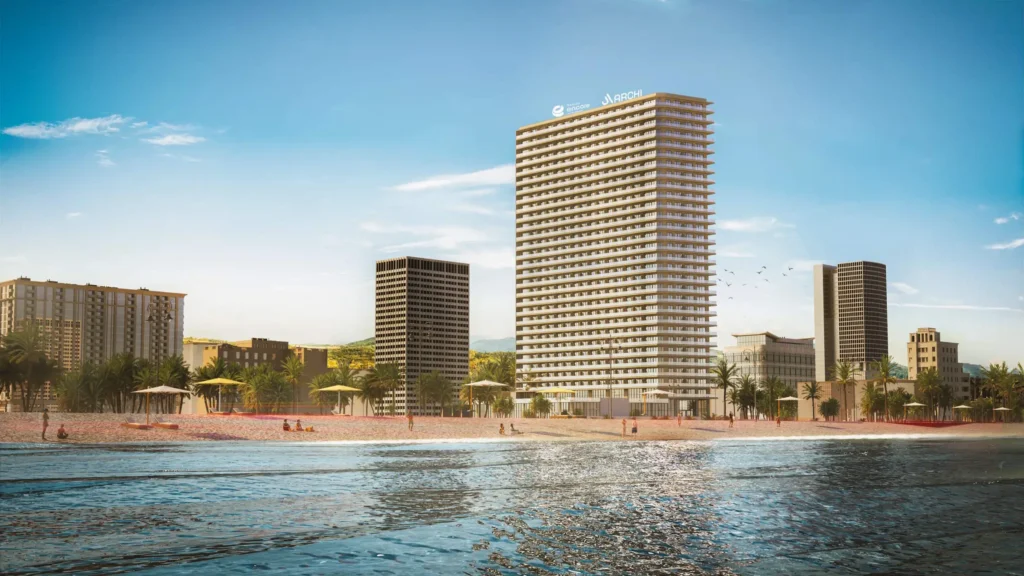
Georgia's Black Sea resort city with beachfront apartments, modern coastal developments, and a growing mix of resort-style communities along its coastline.
Properties for Sale in Batumi
About Batumi
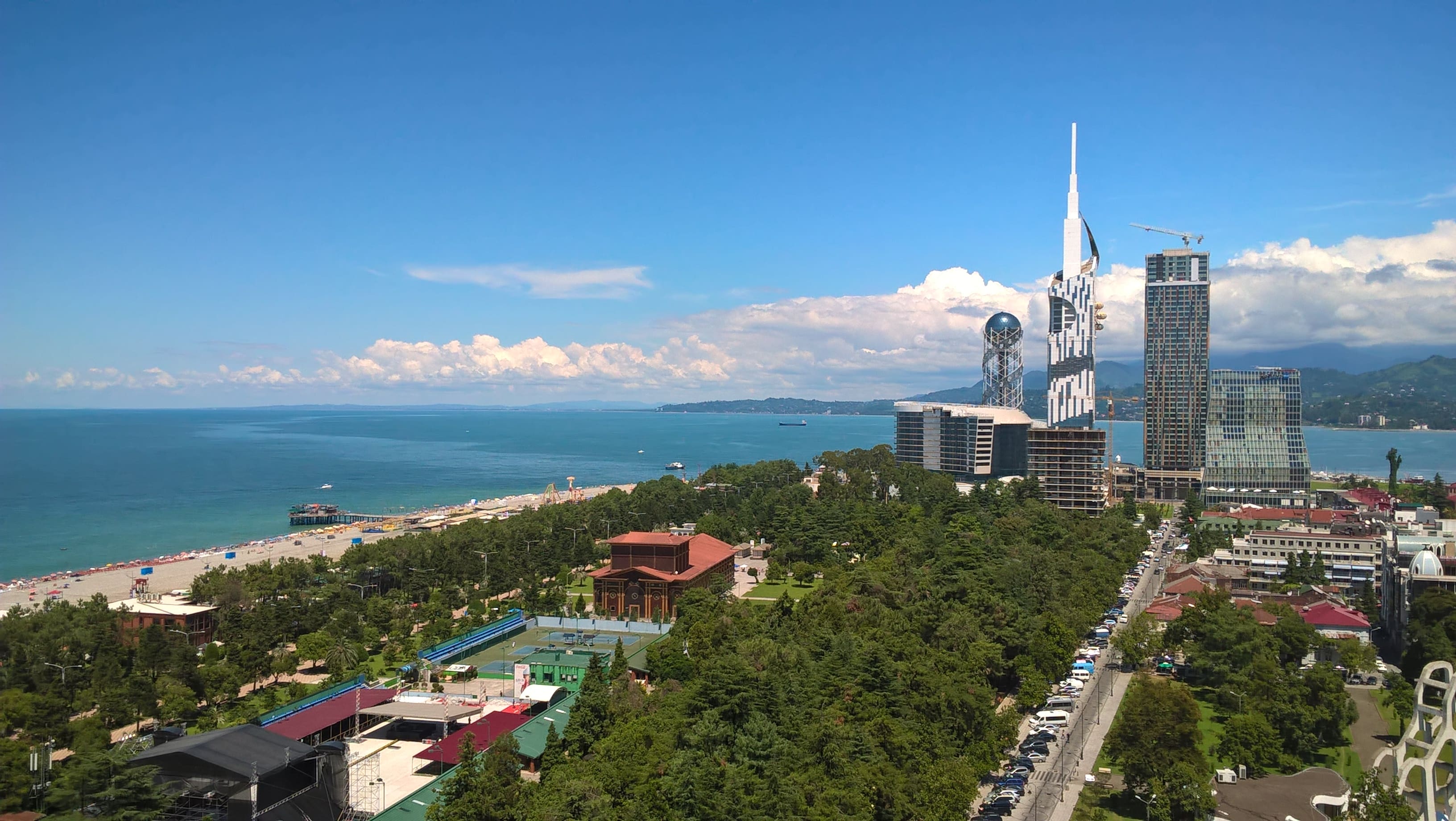
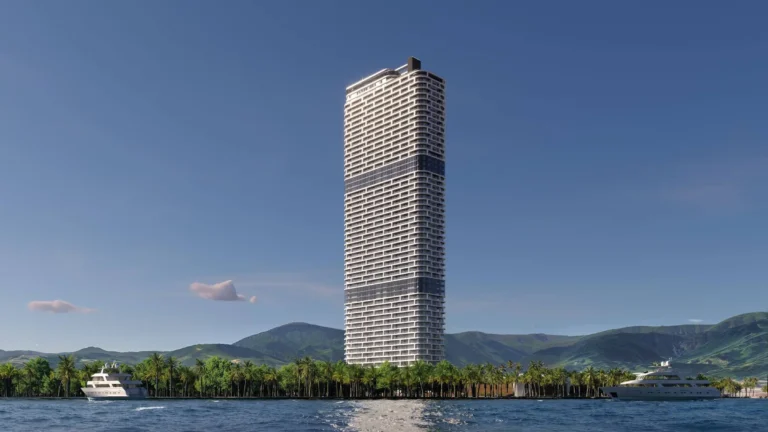
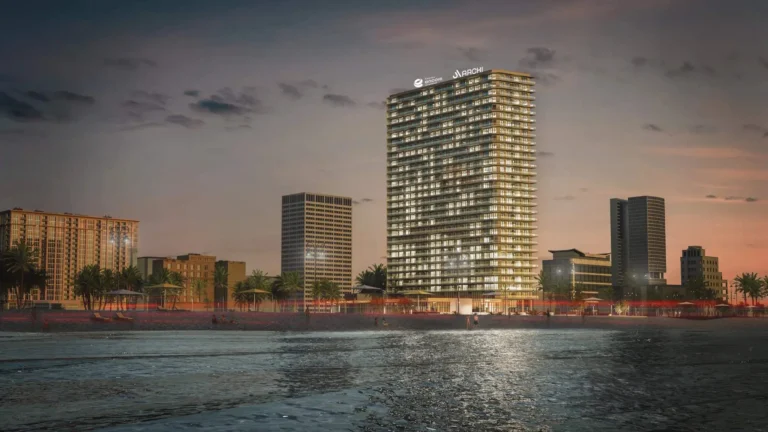
Batumi is Georgia’s second-largest city and its main resort destination, located on the Black Sea coast in the Adjara region near the Turkish border. It has a population of around 186,000, which increases significantly during the summer due to tourism. The city is known for its beachfront boulevard, casinos, subtropical climate, and rapidly developing skyline.
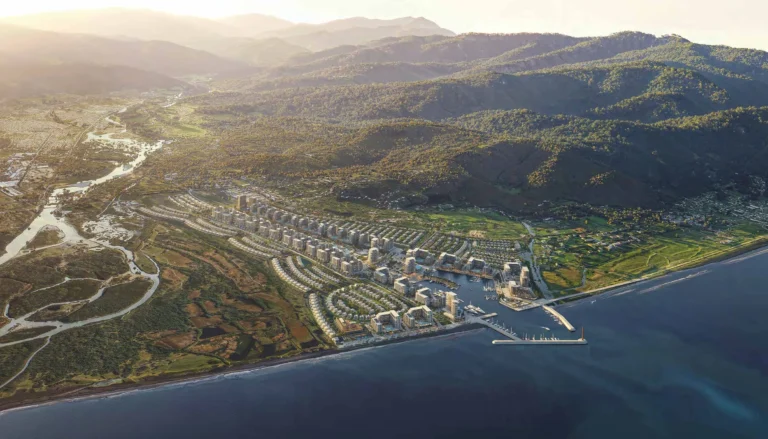
For investors, Batumi is primarily a tourism-driven market. Demand peaks in the summer months, especially July and August, when short-term rentals reach high occupancy and strong daily rates. Ongoing infrastructure projects — including airport expansion, new roads, branded hotels, and the planned $6 billion Emaar Gonio Marina development — are supporting long-term growth and international interest.
In 2025, 17,478 apartments were sold in Batumi, up 15% year on year, with total market volume exceeding $1.3 billion for the first time. New-build prices averaged $1,865 per sqm, an increase of 9.4% over the year. International buyers accounted for over 80% of all transactions in 2024, with the majority coming from the Middle East, Israel, and the EU.
Property Prices in Batumi
Prices in Batumi vary considerably by proximity to the sea and area character. The table below reflects 2025 transaction data by district.
| Area | Price / sqm (USD) | YoY Growth | Character |
| Old Town (Batumi) | $2,231 | +12.1% | Highest average in city; restored historic buildings; premium short-let |
| Heroes Alley | $2,095 | Strong | Premium residential; active new development; range $1,830–3,325 |
| Gonio–Kvariati | $1,715 | +5.7% | Resort strip south of Batumi; range $1,150–5,800; Emaar Gonio Marina anchor |
| New Boulevard | $1,761 | +11.7% | Sales leader (6,807 units in 2025); range $1,230–2,900; modern infrastructure |
| Makhinjauri | $1,851 | Steady | Coastal suburb north of Batumi; range $1,100–2,700 |
| Kobuleti | $1,721 | Steady | More affordable coastal option; range $1,000–1,700; domestic demand |
| Inland districts | $1,320 | +5.4% | Residential; local tenant base; highest yield potential |
| Peripheral areas | $1,005 | +19.4% | Most affordable entry; fastest price growth 2025; developing infrastructure |
| City average (new build) | $1,865 | +9.4% YoY | Year-end 2025 (Galt & Taggart) |
New Boulevard was the most active area in 2025, recording 6,807 transactions — nearly double any other district. For investors, it offers strong liquidity, a wide buyer pool, and the easiest resale conditions in Batumi, alongside rental income potential.
Rental Yields and Seasonality
Batumi’s average gross rental yield was 7.28% in Q1 2025. Beachfront properties can generate higher returns during peak summer months, but income is highly seasonal. Most rental revenue is concentrated in July and August, with moderate income in May–June and September, and low occupancy during the rest of the year.
| Location / Strategy | Gross Yield | Notes |
| Beachfront — short-term let (peak season) | 15–25% | Jul–Aug only; income concentrated; management overhead |
| Beachfront — annualised | 4–8% | After off-season low occupancy; net lower than headline |
| Downtown / mid-zone | 8–12% | Mix of short and long-let; more balanced seasonality |
| Inland / residential | 6–9% | Long-let; local tenants; year-round occupancy |
| Gonio–Kvariati (resort) | Varies | Premium product; short-let focused; management required |
| City average (all types) | 7.28% | Q1 2025 gross benchmark (Global Property Guide) |
Most of Batumi’s short-term rental income is generated in July and August, with a smaller contribution from May–June and September. The rest of the year typically sees low occupancy and reduced rates. Investors looking for stable year-round income may prefer long-term rentals or view Batumi more as a capital growth market.
Areas Guide
Batumi’s investment profile varies significantly by location. The key areas for buyers are described below.
What Batumi Offers
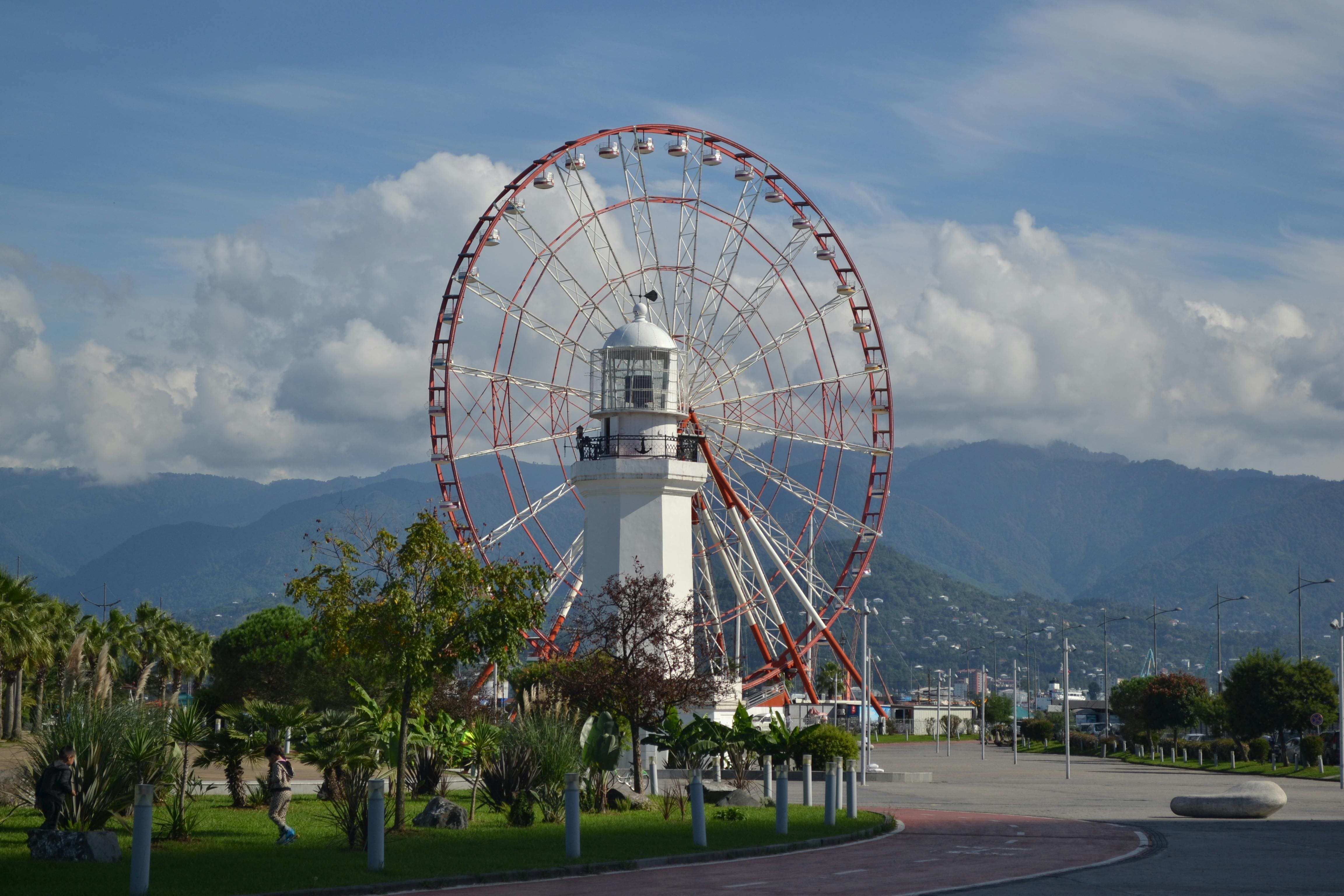
Batumi is a subtropical coastal city with a mix of influences: a former Soviet resort, a modern casino hub, and a growing international destination. Its Black Sea waterfront and surrounding Adjara hills create a setting that stands out from most cities of its size. Over time, it has developed into a popular leisure spot for visitors from the region and abroad.
Batumi Boulevard — 7km promenade along the Black Sea; parks, sculptures, cafés, and the main Ferris wheel; the social spine of the city
Argo Cable Car — connects the seafront to Anuria Hill; panoramic views over the city and coastline
Alphabet Tower — 130m structure inspired by the Georgian alphabet; distinctive city landmark on the seafront
Old Batumi — European-style historic quarter with 19th-century architecture, restaurants, and boutique hotels clustered around Piazza Square
Gonio Fortress — Roman-era fortress 15km south of Batumi; one of the oldest surviving fortresses in the South Caucasus
Batumi Botanical Garden — 113-hectare garden on a cape north of the city; subtropical and temperate climate collections; sea views
Casino district — Batumi has earned a regional reputation as a casino destination; several major hotel-casino complexes operate year-round
Black Sea beaches — pebbly beaches along the city front and sandier options further south toward Gonio and Kvariati
Adjara hills and villages — subtropical forest, waterfalls, and traditional Adjaran architecture within 30 minutes of the city centre
Watersports — jet ski, parasailing, and boat trips available along the coast during the summer season
Georgian cuisine — Adjaran khachapuri (the boat-shaped egg and cheese bread) originates from this region; widely available across the city
Year-round mild climate — subtropical; warmer winters than Tbilisi; summer temperatures average 26–30°C
Infrastructure growth — new hotels, shopping centres, and hospitality venues opening each year; the city is visibly developing
Adjara Free Industrial Zone — tax advantages for qualifying businesses operating in the Adjara region
Connectivity
Batumi International Airport has grown rapidly — handling nearly 945,000 passengers in 2024, a 50%+ increase year-on-year. A major expansion is underway including terminal enlargement, runway refurbishment, and expanded parking for up to nine medium-sized aircraft simultaneously.
The East–West Highway linking Tbilisi and Batumi is approaching completion and will further improve travel times and reliability along this corridor, benefiting both tourists and investors. Within Batumi, the city is compact and walkable along the boulevard, with taxis and ride-hailing covering wider areas.

Frequently Asked Questions
Batumi offers strong summer rental returns, steady price growth (around 9–13% annually from 2023–2025), and relatively low entry prices compared to other coastal markets. Average gross yields were 7.28% in Q1 2025 (Global Property Guide).
By end of 2025, new-build apartments averaged about $1,865 per sqm, with resale properties around $1,450 per sqm. Prices vary by area: higher in Old Town and Heroes Alley, mid-range in New Boulevard, and lower in inland districts. Premium beachfront and resort zones can reach considerably higher levels.
Average gross yield is around 7.28%. Beachfront short-term rentals can perform strongly in summer, but most income is concentrated in July and August. Long-term rentals typically return 4–6% annually. Overall yields depend heavily on seasonality and property location.
Yes. Foreigners can buy, own, and sell property freely in Georgia. Ownership is registered through the National Agency of Public Registry (NAPR), which is transparent and accessible online. There are no nationality or minimum investment restrictions.
Rental demand is highly seasonal, with the strongest performance in July and August, when most annual income is generated. The shoulder months contribute additional revenue, while the winter period tends to see low occupancy. Performance depends significantly on timing and strategy — peak-season returns can be strong, but year-round averages are more moderate compared to balanced rental markets like Tbilisi.
Rental income is taxed at 5% for registered landlords. Capital gains are 0% after two years. There is no property transfer tax. Annual property tax is generally 0–1%, depending on value and location. Maintenance costs for a small apartment are typically $600–1,200 per year. Full rates are published by the Georgian Revenue Service.
Gonio–Kvariati is a coastal area south of Batumi near the Turkish border. It has lower density and more resort-style development than central Batumi. Average prices are around $1,715 per sqm, with luxury projects reaching considerably higher. The $6 billion Emaar Gonio Marina development is expected to drive long-term growth in the area.
Tbilisi is Georgia's capital and main economic hub, with a more diversified property market and year-round rental demand from professionals, students, and expats. Batumi is a coastal resort city where demand is strongly driven by tourism, with higher peak-season returns but more variation in income through the year. Entry prices in Batumi are generally more accessible, particularly for beachfront or short-let focused properties. In short, Tbilisi suits investors looking for stability and consistent income, while Batumi appeals to those comfortable with seasonality and focused on summer returns or long-term capital growth.
Data sources: Galt & Taggart Georgia Residential Property Report 2025 · Colliers Georgia (June 2025) · Global Property Guide Q1 2025 · National Agency of Public Registry (NAPR) · Georgian Revenue Service · Batumi International Airport. Last reviewed April 2026.
Metropolitan Premium Properties
-
 [email protected]
-
+971 4 428 6151
-
36th-38th Floor, Al Salam Tecom Tower,
Internet City, Dubai, UAE


Get A Free Consultation
Ready for your new home?
Popular Searches in the UAE
Our newsletter
Sign up for our weekly newsletter for market updates!