About Salalah
Salalah is the capital of Dhofar Governorate and Oman’s second-largest city, located on the Arabian Sea in the far south of the country. It is about 1,000 km from Muscat by road and has its own international airport. The city is framed by beaches to the south and the Jebel Dhofar mountains to the north, giving it a very different landscape and climate from the rest of the Gulf.
Salalah is best known for the Khareef season, a monsoon period from late June to September. During this time, the mountains turn green, waterfalls appear, and temperatures remain mild while much of the Gulf experiences extreme heat. This unique climate attracts over a million visitors each year and makes Salalah the only place in the Arabian Peninsula with a true monsoon environment.
Outside the Khareef, Salalah offers warm coastal weather, a UNESCO World Heritage Site linked to the ancient frankincense trade, and a steadily expanding hospitality sector serving both regional and international tourism.
1.07M+
Khareef visitors, record in 2025
3%
Transfer fee, only transaction cost
7-9%
Est. gross yield, short-term rentals
Muriya
ITC developer, Orascom + OMRAN
Hawana Salalah
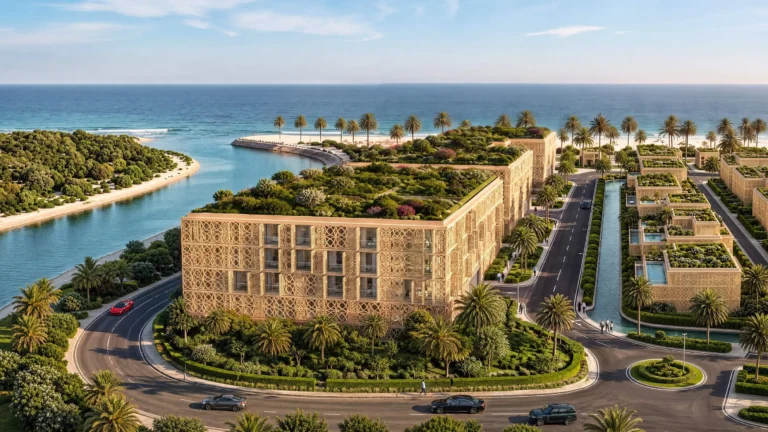
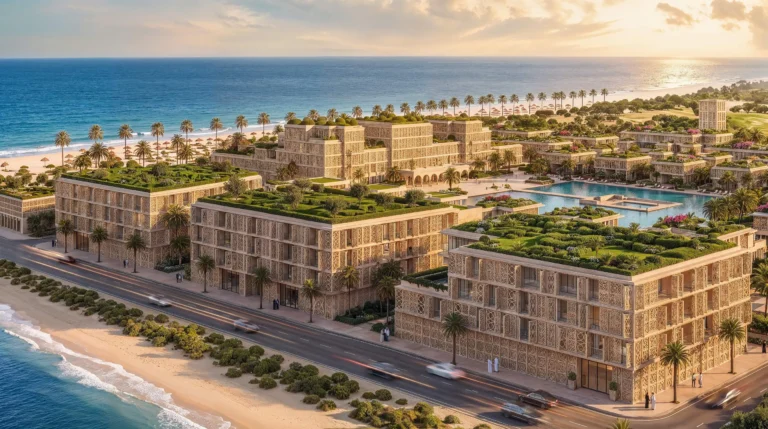
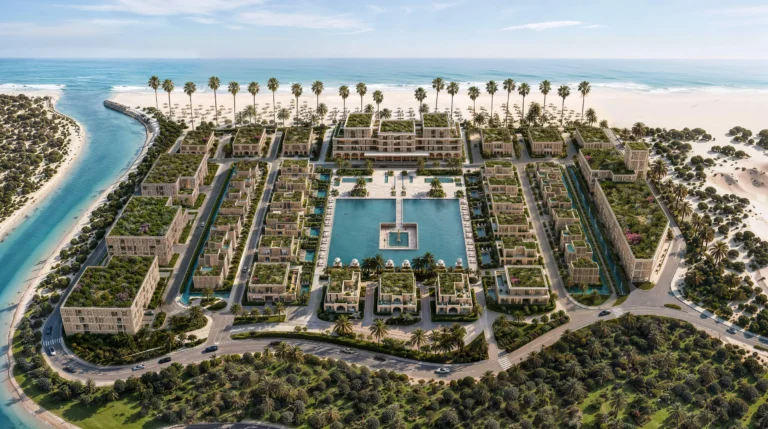
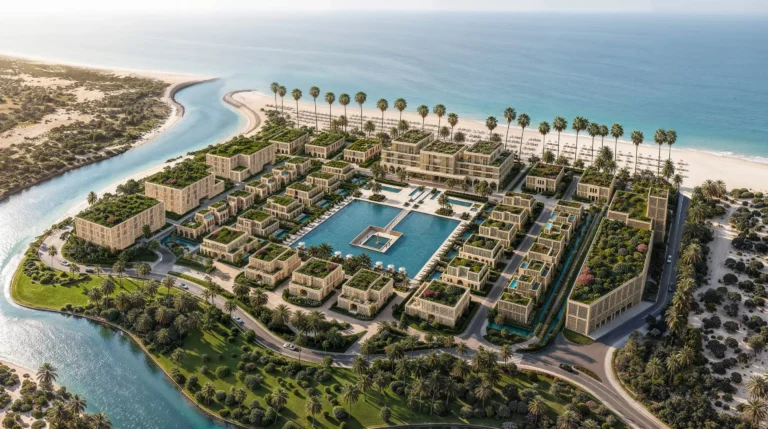
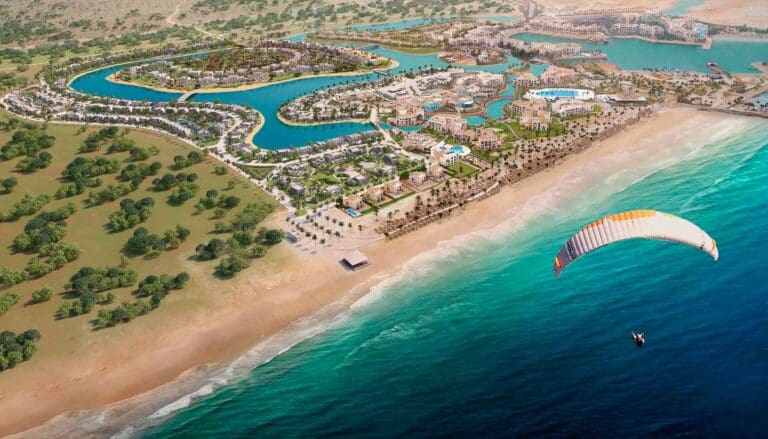
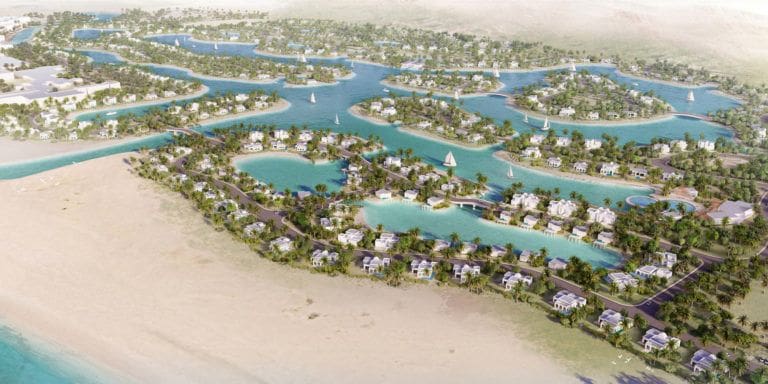
Hawana Salalah is Oman’s largest beachfront Integrated Tourism Complex (ITC), developed by Muriya, a partnership between Orascom Development Holding and OMRAN Group, who also developed Jebel Sifah.
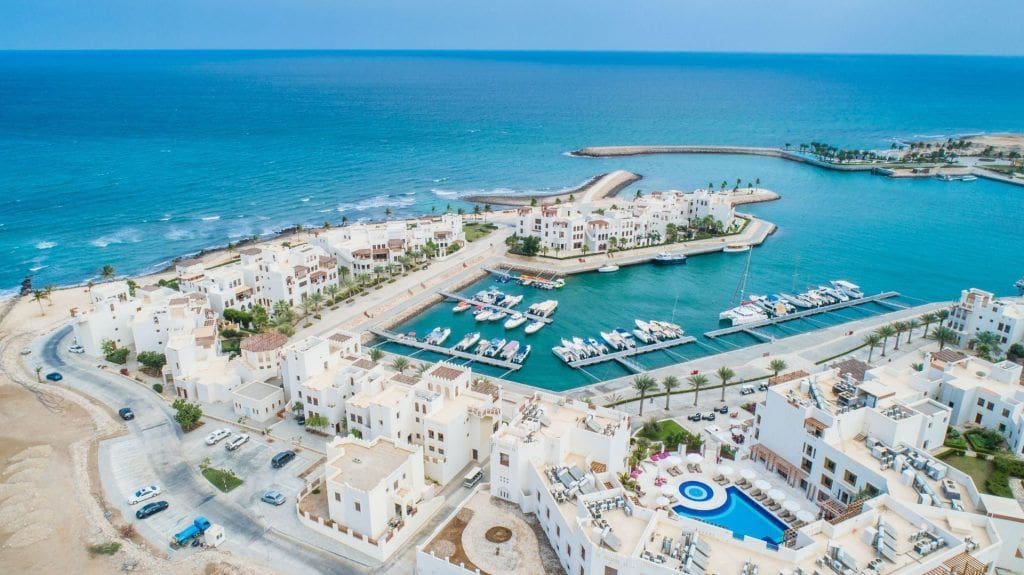
The master community stretches along the Arabian Sea and is being developed in phases, with only part of the total area completed so far. It already includes over 1,000 homes across several residential neighborhoods, along with hotels, a marina, a water park, lagoons, restaurants, and a long stretch of sandy beach.
As an ITC, foreigners can buy freehold property registered through Oman’s Amlak system, with full rights to sell, rent, or inherit. Ownership also provides residency for the buyer and their immediate family for as long as the property is held, with no minimum investment required.
Owners can also use Wateera, Muriya’s property management company, which offers short- and long-term rental services for those who do not live in Oman full-time.
Investment note: Property prices in Hawana Salalah average around OMR 800/sqm (about USD 2,080/sqm), making it significantly more affordable than most ITC communities in Muscat, where prices typically range from OMR 1,200 to OMR 1,400/sqm. This makes Salalah one of the lower-cost entry points into Oman’s freehold property market, with rental demand supported by the annual Khareef season.
Properties worth OMR 200,000 or more (~USD 520,000 / ~AED 1.9M) also qualify for Oman’s Golden Visa, which provides renewable 10-year residency.
What Is Available
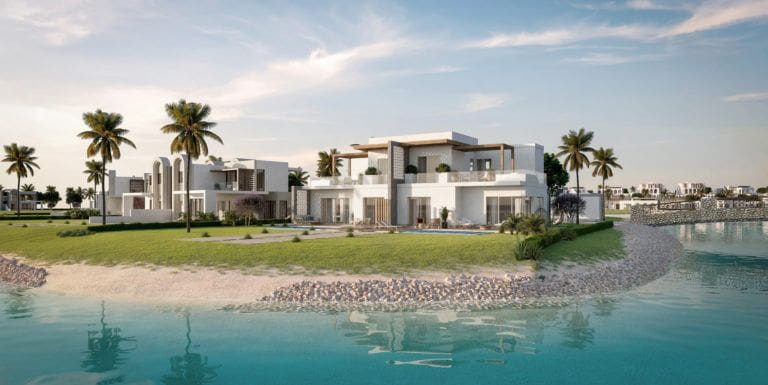
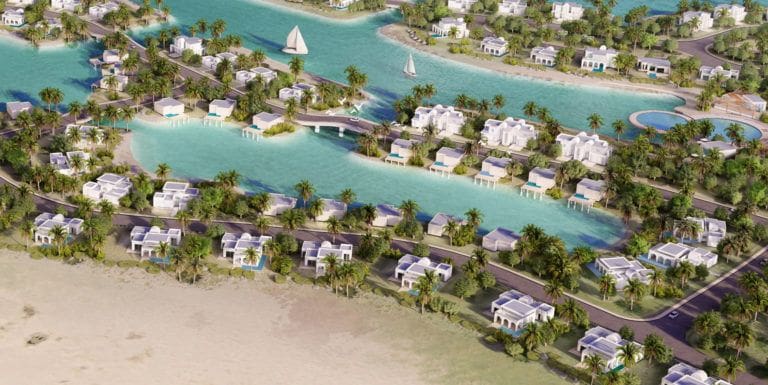
Hawana Salalah offers sea-view apartments, lagoon-front chalets, townhouses, and villas, all available freehold to buyers of any nationality.
Current projects include:
Riviera Residences – 1-bedroom sea-view apartments located close to the beach. Prices start from OMR 65,500 (~AED 624,000 / ~USD 170,000), with a flexible payment plan and projected rental yields of up to 10%.
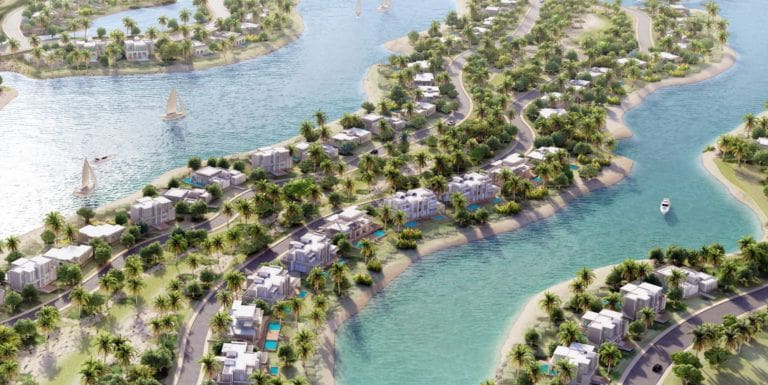
Amazi – a large waterfront community offering chalets and villas with lagoon, beach, and sea views. Homes range from 1-bedroom chalets to 4-bedroom villas. Prices start from AED 744,000, with the first phase expected to be completed in 2027.
Both projects are managed post-handover through Wateera, Muriya’s property management company, allowing owners to rent out their properties without needing to live in Oman full-time.
The Khareef Season
The Khareef season is the primary driver of short-term rental demand. Running from late June to September each year, the monsoon transforms the Dhofar region into a green landscape with cooler temperatures, waterfalls, and lush scenery.
Visitor numbers have risen steadily in recent years, reaching over 1 million annually. Most visitors come from Oman and the GCC, especially during the Khareef season. Dhofar has more than 100 licensed hotels and several thousand rooms, but demand often outpaces supply during peak weeks. This drives strong interest in private holiday homes and short-term rentals.
For property owners in Hawana Salalah, Khareef is usually the strongest rental period, while the winter season also brings steady tourism thanks to warm coastal weather. Together, these two seasons help support more balanced year-round demand. The 2026 Khareef season starts on 21 June and will feature new events, improved infrastructure, and additional international flight connections.
Salalah Beyond the Resort
Mughsail Beach is one of the most popular spots, known for its dramatic cliffs and natural blowholes along the coast. Wadi Darbat is another highlight, offering boat and kayak trips through a valley that fills with water during the Khareef season. The nearby Dhofar mountains are covered in greenery during the monsoon and include frankincense trees, viewpoints, and hiking trails.
The region is also home to the UNESCO-listed Land of Frankincense, which includes archaeological sites and ancient ports that were once part of global trade routes. In the city, the Haffa area remains known for its traditional souq and perfume market.
Salalah is supported by solid infrastructure, including Salalah International Airport, a major port, shopping centres like Salalah Gardens Mall, and healthcare facilities such as Badr Al Sama Hospital, serving both residents and visitors.
Salalah’s Long-Term Growth Story
- Salalah is developing under Oman Vision 2040, with major government-led infrastructure and tourism projects.
- Salalah New City (announced in 2025) is a waterfront masterplan that will include thousands of homes, public parks, retail, hospitality areas, a marina, and a public beachfront. The first phase is already underway.
- The wider Greater Salalah plan aims to significantly grow the city’s population by 2040, supporting long-term demand for housing and services.
- Tourism is a key driver of growth, with Oman investing heavily in the sector and positioning Dhofar as a priority region.
- Expanding hotels, new flight routes, and growing seasonal events are expected to continue strengthening demand in the coming years.
Access and Connectivity
Air connections have expanded in recent years, especially around the Khareef season. Direct flights currently include Muscat (Oman Air, multiple daily services), Dubai and Abu Dhabi (flydubai, Air Arabia, Etihad Airways), Zurich (Edelweiss Air, launched February 2025), and several Saudi cities including Riyadh, Jeddah, and Dammam (flyadeal, flynas). Additional seasonal routes from Kuwait (Kuwait Airways, Jazeera Airways) and other GCC destinations also operate during peak summer months.
By road, Salalah is connected to Muscat via Highway 31, with a driving time of roughly 11 hours. The city is also served by Salalah Port, a major logistics and cruise hub located close to the city centre.
Data sources: Muscat Daily – Khareef Dhofar visitor statistics (February 2025) · Muscat Daily – Salalah New City masterplan (March 2025) · Muriya / OMRAN Group – official project data for Hawana Salalah, Amazi, and Riviera Residences. Last reviewed June 2026.