
Saudi Arabia's residential real estate market is valued at USD 72.8 billion in 2026 and is expected to reach USD 103 billion by 2031. As of January 2026, foreign investors can enter the market for the first time, following the introduction of Royal Decree M/14, which allows ownership in designated zones. This opens access to one of the region's largest real estate markets, supported by Vision 2030 and still at an earlier stage of growth compared to more established destinations. For investors, that means lower entry prices than Dubai and the potential for higher returns, with rental yields in Riyadh reaching up to 8.89%.
The market in 2026: where things stand
Saudi Arabia has one of the largest residential real estate markets in the Middle East, but it was largely closed to foreign buyers until the start of 2026. This changed with Royal Decree M/14 in January 2026, which introduced foreign ownership in designated investment zones for the first time. The opening covers a significant market — Riyadh alone represents around 41% of national transaction volumes, while the overall market is expected to grow from USD 72.8 billion to USD 103 billion over the next five years.
Between 2021 and 2024, the market saw strong growth. Riyadh in particular recorded sharp increases in prices and rents, driven by Vision 2030 reforms, corporate relocations, population growth in the expat segment, and large infrastructure and giga-project investments. Much of this demand came before foreign ownership was available, mainly through off-plan sales to Saudi and GCC buyers.
In 2025, the market started to normalise. Transaction volumes in Riyadh fell by 31.4% year-on-year as affordability pressures increased after a period of rapid price growth. At the same time, other cities moved differently — Jeddah saw its strongest transaction activity in years, while Dammam in the Eastern Province recorded an 18.7% increase in volumes. Performance varies significantly by city, not just at national level.
For international investors entering in 2026, the market sits in a transitional phase. The peak growth cycle has passed, prices have stabilised, and the legal framework for foreign ownership is now in place. However, the market is still developing in terms of liquidity, transparency, and data availability compared to more mature destinations. This means more careful due diligence is required, but also explains why entry prices and yields remain relatively attractive.
How foreign ownership works in practice
Foreign ownership in Saudi Arabia is governed by Royal Decree M/14, introduced in January 2026. Buyers can only purchase property within zones approved by the Real Estate General Authority (REGA). These areas are listed on the official Saudi Properties platform (aqar.sa), which acts as the national registry for eligible developments.
Zone designations are still expanding, but currently focus on major areas in Riyadh, Jeddah, the Red Sea, and parts of the Eastern Province. The first step in any purchase is confirming that the property is within an approved zone via the official platform.
Once a property is verified as eligible, the transaction is registered through REGA's official platform. Foreign buyers must obtain a Real Estate Ownership Permit before completing a purchase. The application requires identity documents, a clean legal record, and confirmation of zone eligibility. Non-residents are limited to designated zones, while broader access applies to iqama holders.
A 5% disposal fee applies when a property is sold or transferred, in addition to the 5% Real Estate Transaction Tax (RETT) paid at purchase. This cost is often reflected in asking prices and can influence negotiations, especially in softer market conditions where sellers are more flexible.
Buying property does not automatically grant residency in Saudi Arabia. Purchases at or above SAR 4 million (around USD 1.07 million) can qualify for Saudi Arabia's Premium Residency program through the Saudi Premium Residency Centre. Unlike a standard iqama, which is employer-linked, Premium Residency is self-sponsored: holders can live, work, and travel freely without a local sponsor. The permit is renewable as long as you continue to own the qualifying property. Below this threshold, ownership is still possible but does not qualify for residency rights.
The main markets for foreign investors
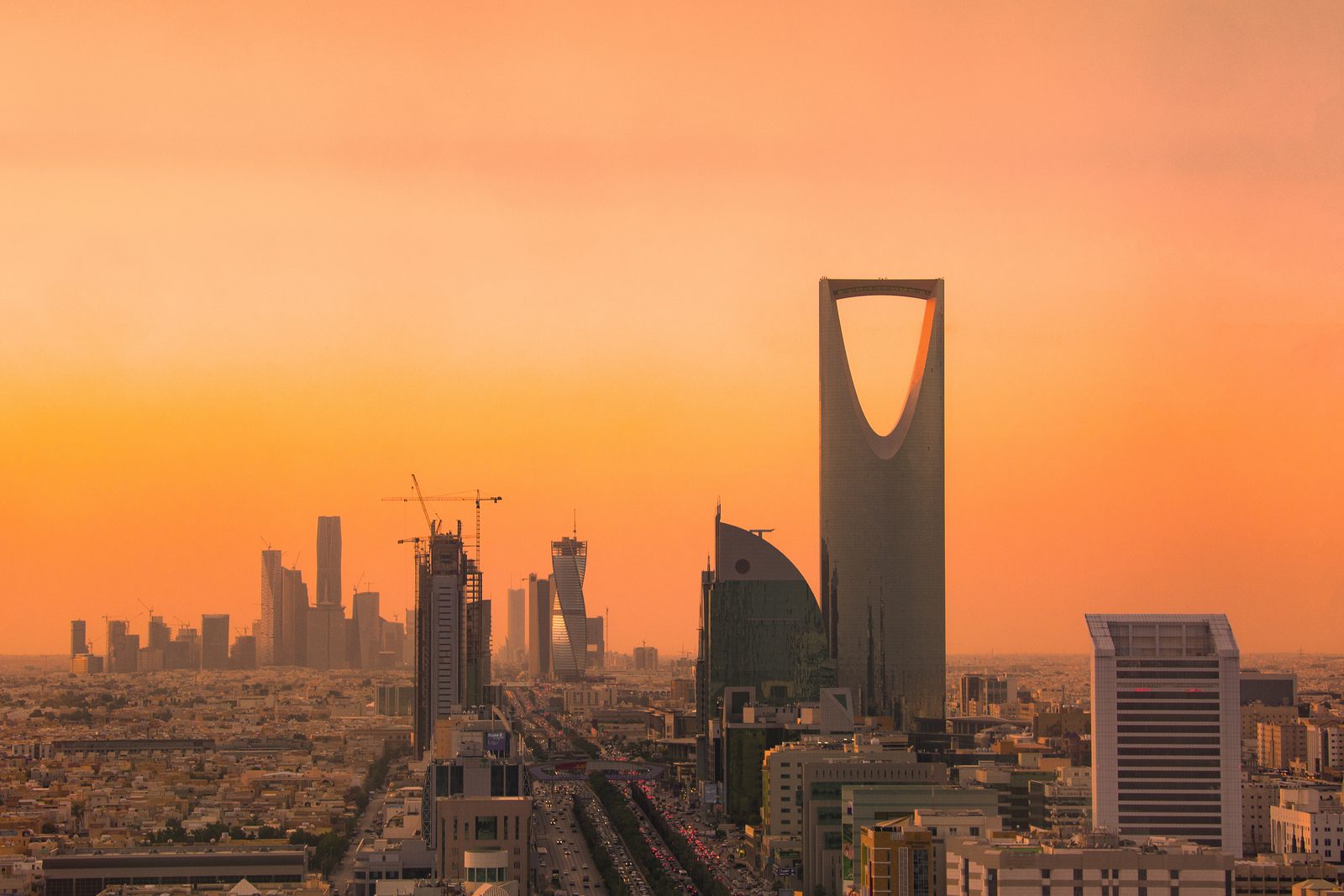
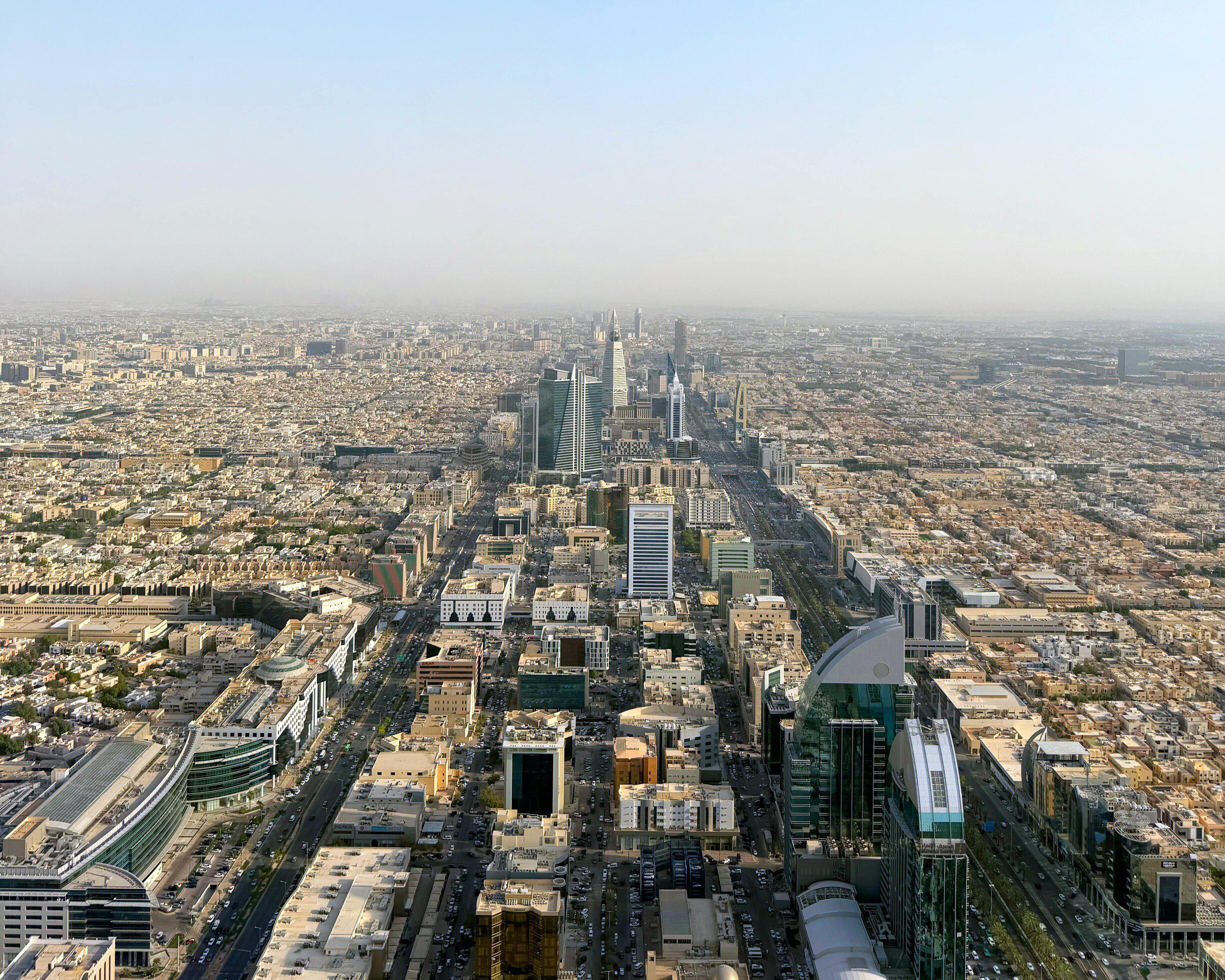
The largest market in Saudi Arabia, accounting for 41% of national transactions. Demand is driven by Vision 2030 relocations and a growing expat population. Yields are strong, but the 2025 rent freeze on all Riyadh leases — existing and new — will keep rents fixed until 2030.
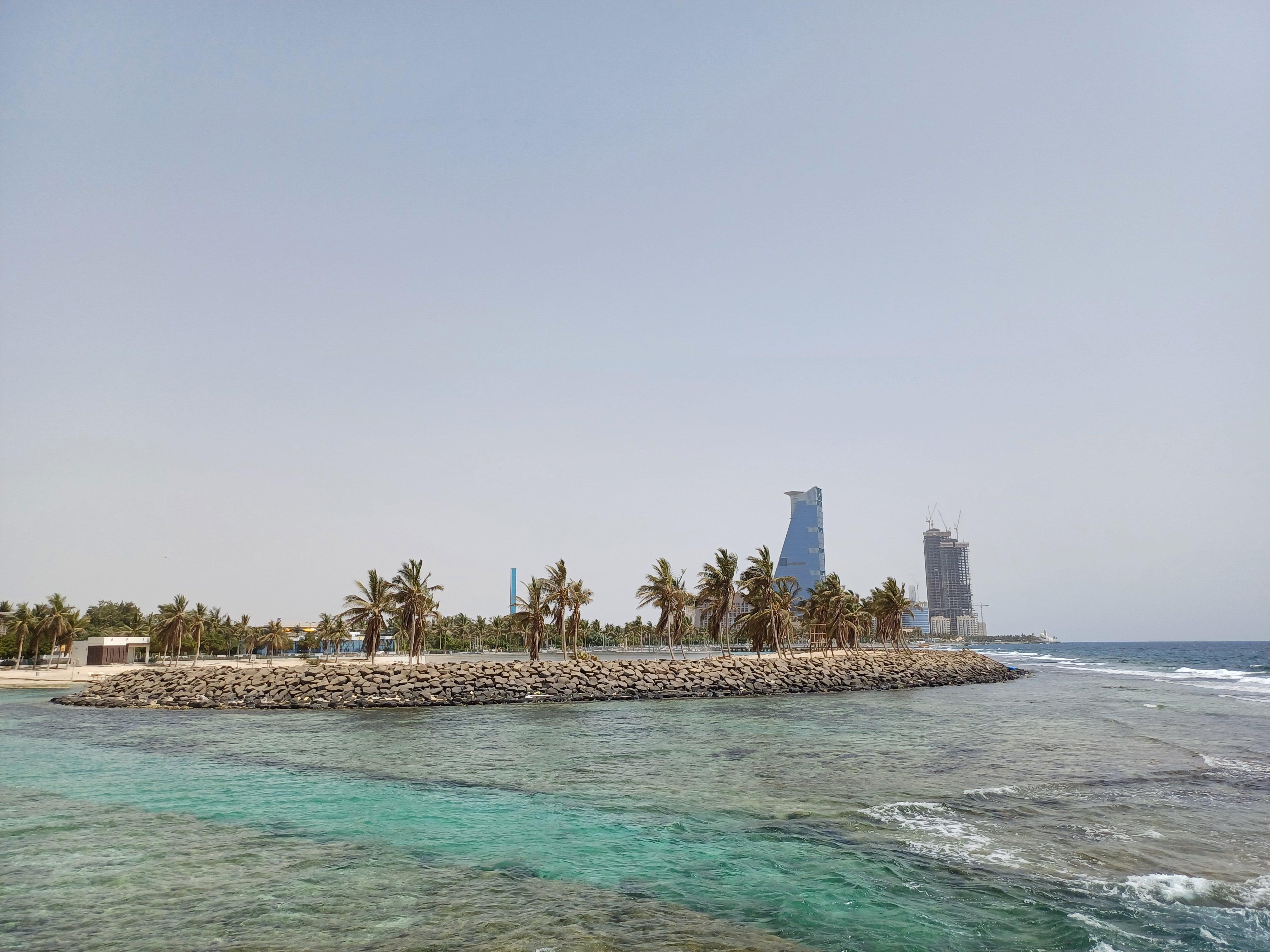
A coastal city with a more international feel than Riyadh. It recorded its highest transaction volumes in 2025. Lower prices, a strong expat base, and steady year-round demand supported by pilgrimage traffic make it more accessible for many foreign buyers.
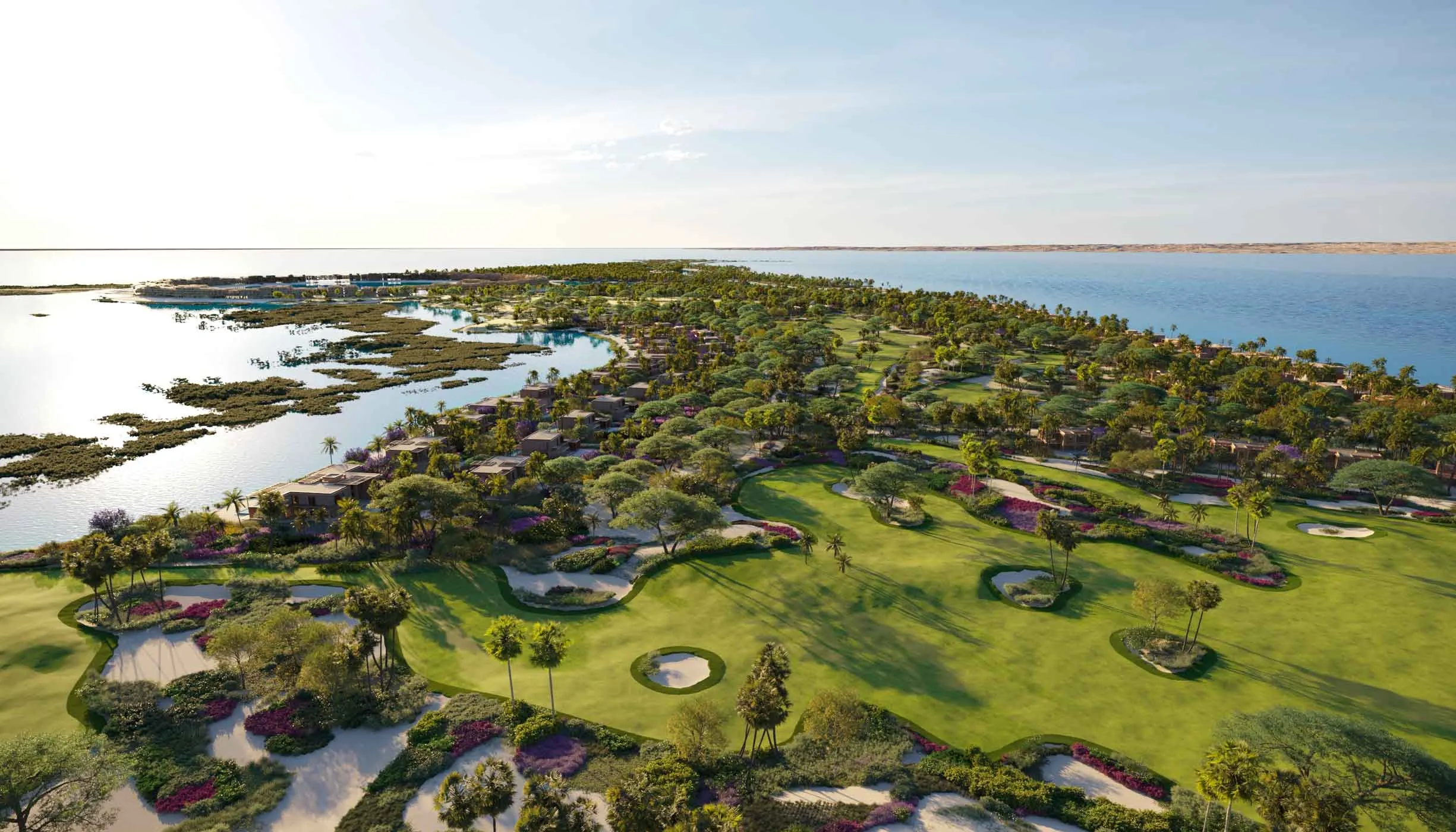
A large-scale giga-project on Saudi Arabia's northwest coast, with Shura Island as its main hub. It features branded residences managed by global hospitality operators, with architecture by Foster + Partners. It is a resort-style asset class rather than a standard residential investment.
An industrial and logistics hub anchored by Dammam and Al Khobar. Transaction volumes grew 18.7% in 2025, and the region is forecast to grow at 8.4% CAGR to 2031, the fastest in the country. Lower entry prices and a large expat workforce support steady demand.
Transaction costs, taxes, and net yield
Buying property in Saudi Arabia costs around 10% of the purchase price. This includes a 5% Real Estate Transaction Tax (RETT) paid at purchase and a 5% disposal fee paid when selling, plus smaller costs like agent fees, legal fees, and registration. On a USD 500,000 property, total costs come to about USD 50,000, compared to roughly USD 35,000 in Dubai.
There is no annual property tax, no tax on rental income, and no capital gains tax. This keeps ongoing holding costs low and means net yields stay close to gross yields over time. With rental yields reaching up to 8.89% in Riyadh, the market can still deliver strong long-term returns despite higher upfront costs.
One practical consideration for yield calculations: Riyadh has a five-year rent freeze in place from September 2025, covering both existing and new leases within the city's urban boundaries. Rent levels are fixed at the value recorded at that date, and landlords cannot raise them until 2030. The freeze currently applies only to Riyadh — Jeddah and the Eastern Province are not affected. Rents have also grown strongly in recent years, with apartment rents up 19.6% year-on-year (JLL Q3 2025) and 10.1% over the full year (Cavendish Maxwell), so income levels remain significantly higher than a few years ago.
How to buy as a foreign national: the practical steps
The buying process in Saudi Arabia is more structured than in Dubai. This is mainly because the framework is new and still being developed, which means more checks and steps at each stage.
First, confirm the property is within a REGA-designated zone. This is checked on the Saudi Properties platform (aqar.sa). Developers or brokers should be able to confirm this — if not, it's best to verify it directly before moving forward.
Foreign buyers must get a REGA Ownership Permit before purchasing. You'll need a passport, a clean criminal record certificate from your country of residence, and property details. Processing usually takes a few weeks, though working with an experienced agency can make it faster.
The SPA follows a standard REGA format. For off-plan projects, payments are linked to construction stages. Some developments, especially branded residences in the Red Sea, may have slightly different terms due to hotel-style management structures.
Ownership is registered through the Ministry of Justice's Najiz platform. At this stage, the 5% RETT is paid and the remaining balance is settled. The ownership permit is recorded, and the buyer receives the official title deed (sak).
In some cases, parts of the process can be completed remotely using legal representation and Power of Attorney. However, final registration may still require in-person presence or a licensed legal representative in Saudi Arabia. Over time, more steps are expected to move online as the system continues to develop under Vision 2030.
Frequently Asked Questions
Common questions from international buyers considering Saudi Arabia.
Can foreigners buy property in Saudi Arabia?
Yes, since January 2026 under Royal Decree M/14. Foreigners can buy property within REGA-designated zones after obtaining a Real Estate Ownership Permit. Areas outside these zones remain restricted to Saudi nationals and GCC citizens. Eligible properties are listed on the Saudi Properties platform (aqar.sa).
What are the designated zones for foreign buyers?
Designated zones are areas approved by REGA for foreign ownership, currently concentrated around central Riyadh, parts of Jeddah, the Red Sea destination, and select areas in the Eastern Province. The list is still expanding as the programme develops, so more areas are expected to be added over time.
How do I check if a property is eligible for foreign purchase?
Eligibility is shown on the Saudi Properties platform (aqar.sa), which is the official REGA register. Always verify directly before buying. Developers or brokers should also be able to confirm this — if not, double-check independently.
Do I need to be in Saudi Arabia to buy property?
No. Most of the process, including the permit and contract signing, can be handled remotely through a legal representative with Power of Attorney. Final registration may still require in-person attendance or a licensed local representative.
What are the total costs of buying property in Saudi Arabia as a foreigner?
Total costs are around 10% of the purchase price. This includes a 5% purchase tax (RETT), a 5% disposal fee on resale, plus smaller costs like agent fees, legal fees, and permits. There is no annual property tax, no tax on rental income, and no capital gains tax.
What rental yields can I expect in Saudi Arabia?
Average gross yields are 6.84% nationally (Q1 2026). Riyadh reaches 8.89% and Jeddah 7.89%. With no income or property taxes, net yields are typically only slightly lower after maintenance and management costs. Yields in the Red Sea area are still emerging due to the early stage of development.
Does Riyadh's rent freeze affect new purchases?
Yes. Any property you buy in Riyadh — with or without a tenant — is subject to the freeze. Rent cannot be increased until 2030. The only exception is a property that has never been rented before, where the first rent is set freely. Other cities are not affected.
Can buying property in Saudi Arabia lead to residency?
Purchasing a residential property at or above SAR 4 million (approximately USD 1.07 million) can qualify you for Saudi Arabia's Premium Residency program — a self-sponsored long-term residency status that does not require an employer. Below this threshold, ownership is still possible but does not qualify for residency rights.
How does the Saudi property market compare to Dubai for a foreign investor?
The key differences are market maturity and transaction costs. Dubai has a deep secondary market, an established developer track record, RERA consumer protections, and a foreign ownership framework in place since 2002. Saudi Arabia offers lower entry prices, higher gross yields, and early-cycle timing — but with higher transaction costs (~10% vs ~6–8%), a newer regulatory framework, and a secondary market that is still developing. The two markets are increasingly complementary rather than competing for the same type of investor.