The Sultanate of Oman sits at the southeastern edge of the Arabian Peninsula, bordering the United Arab Emirates, Saudi Arabia and Yemen, with more than 3,165 km of coastline along the Arabian Sea and the Gulf of Oman. It covers 309,500 sq km and combines the Hajar Mountains, desert interiors, fjords, wadis and white-sand beaches.
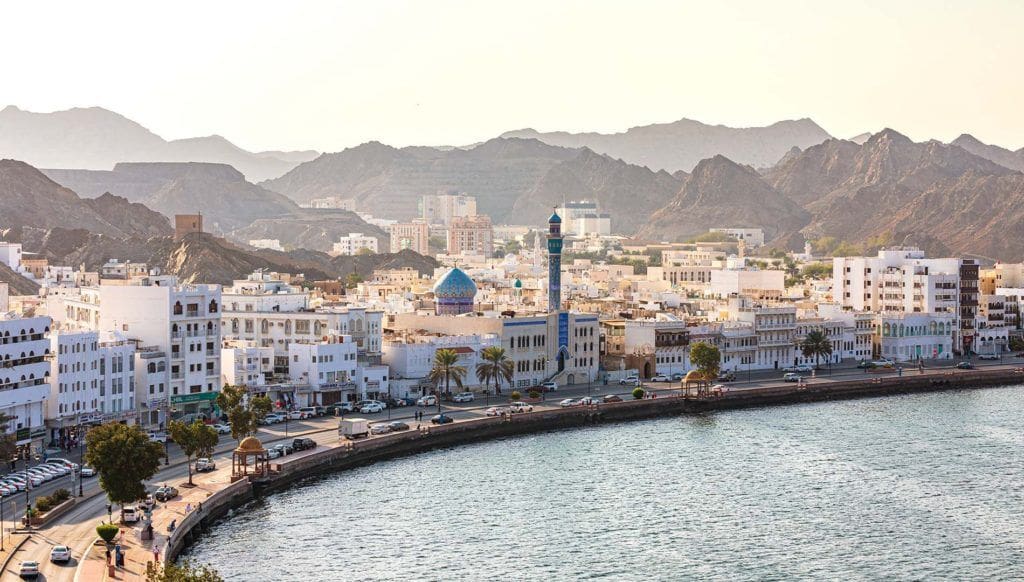
Muscat is the capital and main commercial hub, home to about 28.5% of the population. Oman has maintained long-term political stability and a neutral foreign policy, and Sultan Haitham bin Tarik has led the country since 2020, continuing efforts to diversify the economy.
By the end of 2024 the population reached 5.3 million, with expatriates making up around 43%. This growing expat community supports rental demand across major cities.
USD 4.78B
Residential market value, 2025
5-8%
Gross rental yield, ITC apartments (Cavendish Maxwell)
+7.3%
Residential prices, year on year, Q1 2025
3%
Transfer fee, the only transaction cost for foreign buyers
Foreign nationals can buy freehold property in Oman within designated zones known as Integrated Tourism Complexes (ITCs). They were introduced under Royal Decree No. 12/2006 and are one of the more accessible foreign ownership systems in the Gulf.
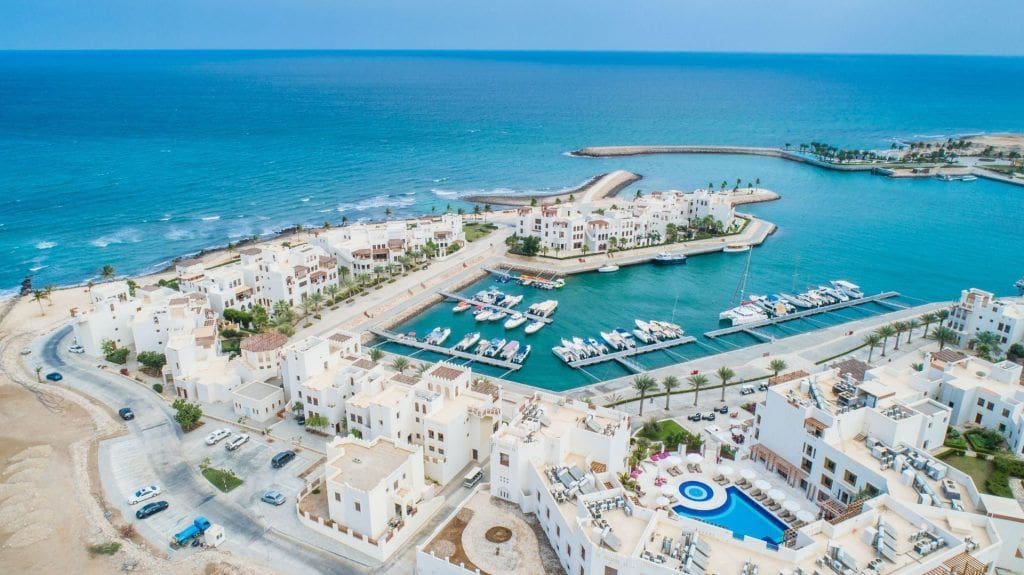
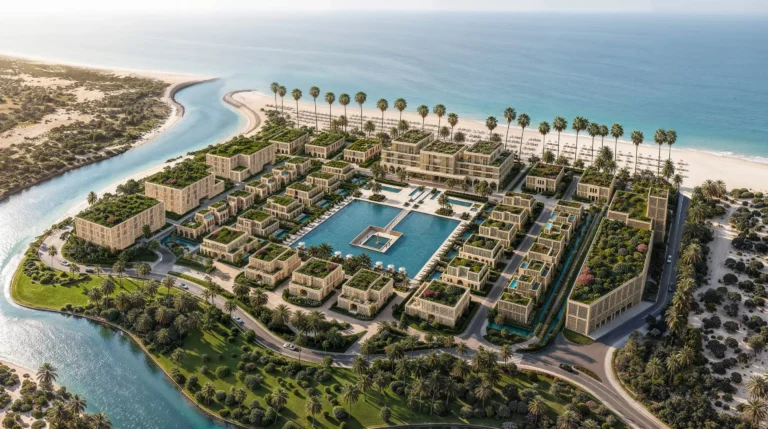
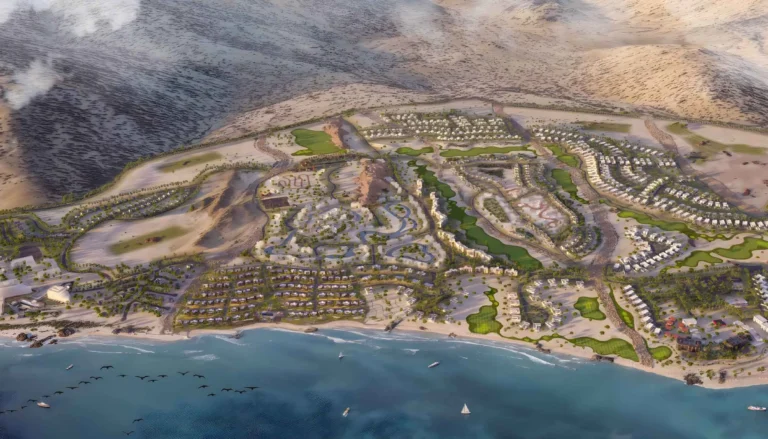
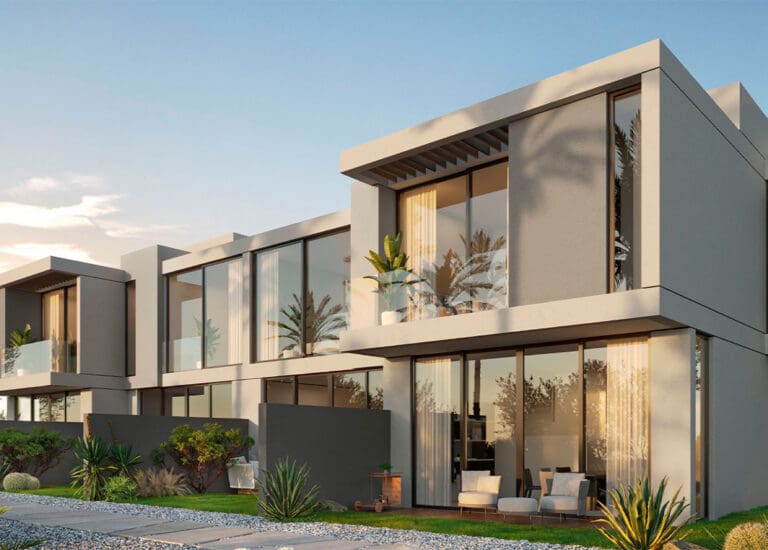
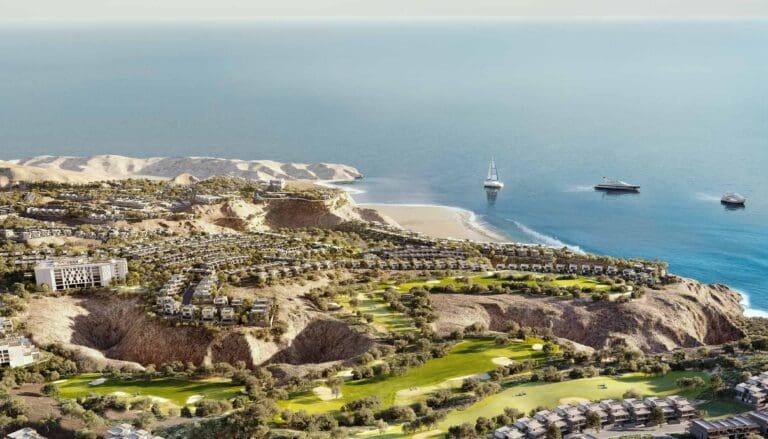
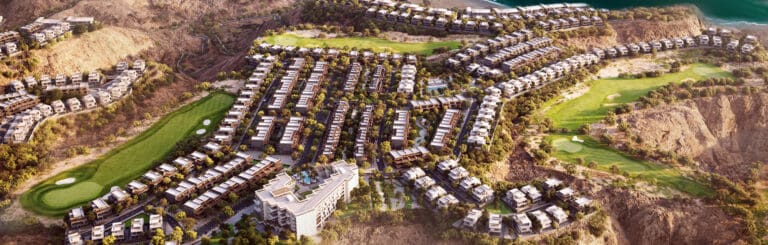
ITCs are fully planned communities that combine residential properties with hotels, marinas, golf courses, retail and leisure facilities.
- Ownership: full freehold or long-term usufruct rights of up to 99 years, registered with the Ministry of Housing and Urban Planning. Owners can sell, rent or pass the property to heirs.
- Residency on purchase: the owner and immediate family receive residency for the duration of ownership, with no minimum investment.
- Golden Visa: relaunched in August 2025, it gives 10-year residency for investments of at least OMR 200,000 through property, company shares, government bonds or other approved channels.
Cost
Rate
Notes
Units Available
Property transfer fee
3%
Paid by foreign buyers at registration (Omani nationals: 1% from January 2025)
Annual property tax
None
No annual tax for residential property owners
Capital gains tax
None
No CGT for individual investors on resale
Rental income tax
None
No personal income tax on rental earnings
Agent commission (seller)
About 2-3%
Negotiable; buyer typically pays no separate commission
Residential prices increased by 7.3% year on year in Q1 2025, according to the National Centre for Statistics and Information (NCSI). Muscat Governorate led this growth, with residential land values rising 17.4%.
- Transactions: real estate transactions reached OMR 2.6 billion in 2023, with foreign buyers in ITC zones accounting for about 22% of the total.
- Supply: residential inventory grew by 3.6% in 2024, adding around 38,400 new units nationwide.
Oman residential market value
USD 4.78B
2025
USD 7.42B
2030 forecast
Forecast CAGR of 9.19%. Source: Mordor Intelligence, Oman Residential Real Estate Market (2025-2030).
Mortgage growth, 2024
+46.4%
Mortgage contract values rose year on year to OMR 2.27 billion in 2024, with larger deal sizes pointing to rising investor confidence.
Source: NCSI Oman, Real Estate Trading Statistics 2023-2024.
Indicative price ranges are based on ITC listings and NCSI data. 1 OMR is approximately USD 2.60 (pegged rate). Actual prices vary by unit specification, floor level and view.
Property type
Location
Price range (OMR)
Price range (USD approx.)
Studio / 1BR apartment
Jebel Sifah ITC
OMR 45,000-55,000
About USD 117,000-143,000
1-2BR apartment
Muscat Bay ITC
OMR 65,000-100,000
About USD 169,000-260,000
2BR apartment
Al Mouj / Muscat prime
OMR 80,000-150,000
About USD 208,000-390,000
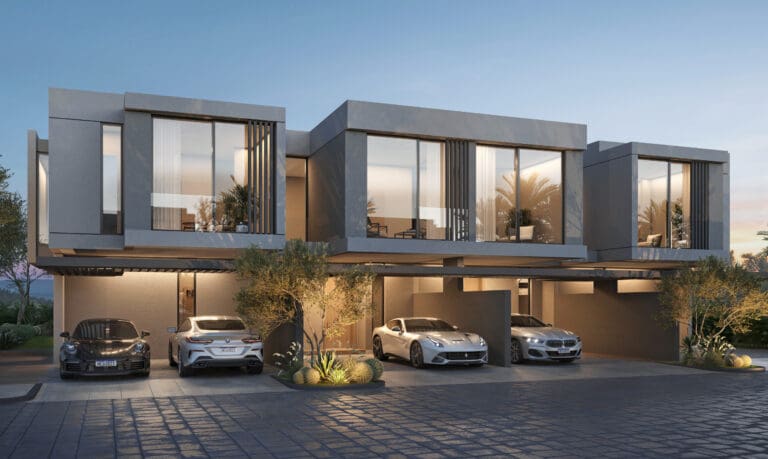
2-3BR townhouse / villa
Jebel Sifah / Muscat Bay
OMR 95,000-200,000
About USD 247,000-520,000
Luxury coastal villa
AIDA / Muscat premium
OMR 300,000-700,000+
About USD 780,000-1.82M+
Foreign buyers can only purchase property within approved ITCs. Four key areas offer different investment profiles:
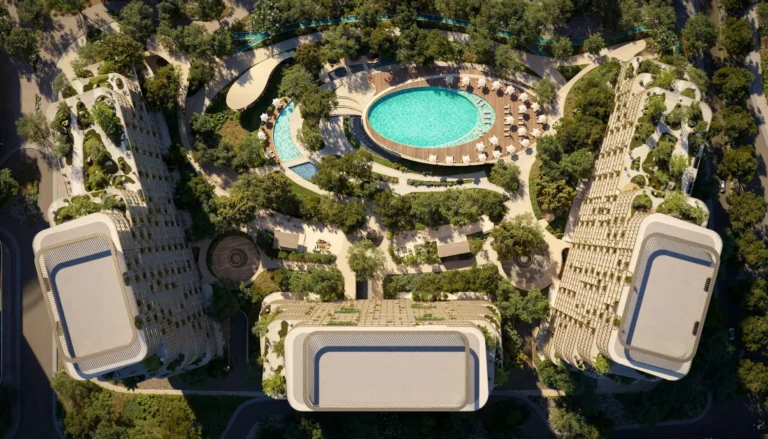
Muscat (AIDA / Yiti). The country’s primary real estate market and home to the largest share of residential supply, about 25 km from central Muscat. A growing expat community and Vision 2040 investment keep rental demand steady. Premium supply is limited, with very little competing branded residential stock outside coastal zones.
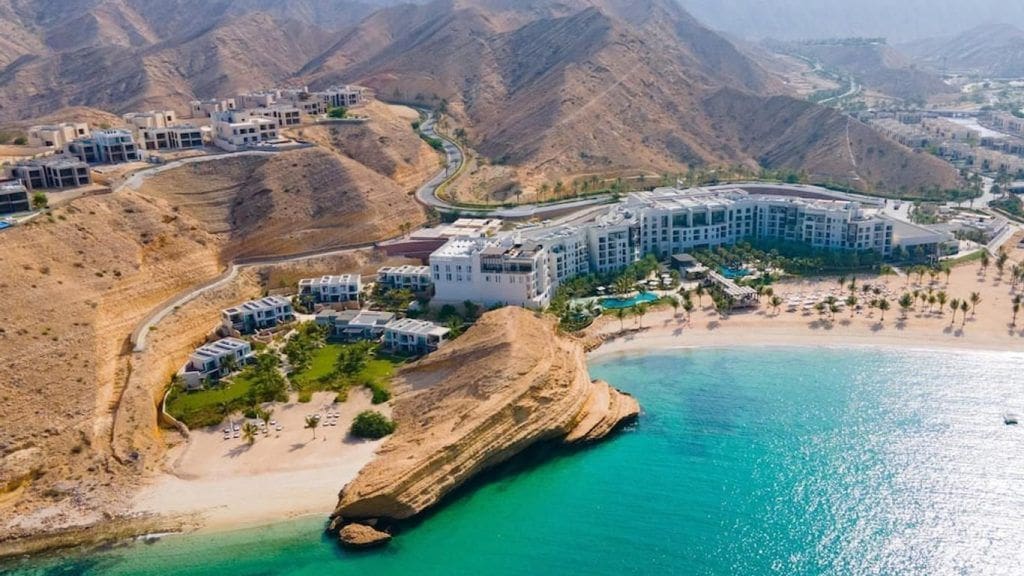
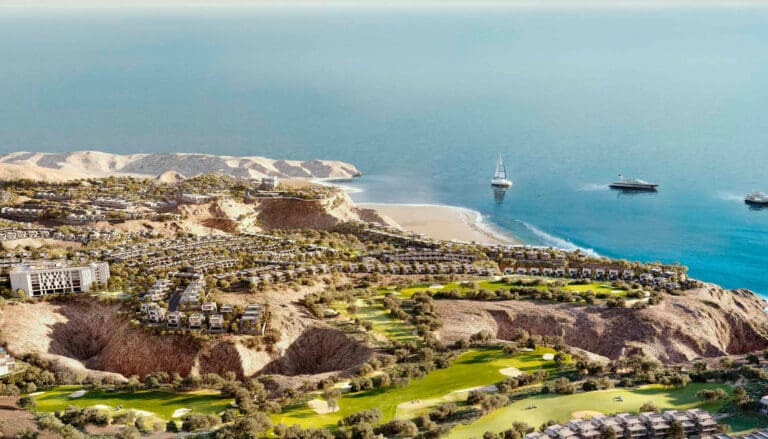
Muscat Bay. A standalone luxury ITC in Qantab, about 15 km from central Muscat, developed by OMRAN Group and Eagle Hills. It sits in a secluded bay between the Hajar Mountains and the Gulf of Oman. The community is low-density and gated, with a marina, beach club and spa, suiting a primary home or a long-term lifestyle investment.
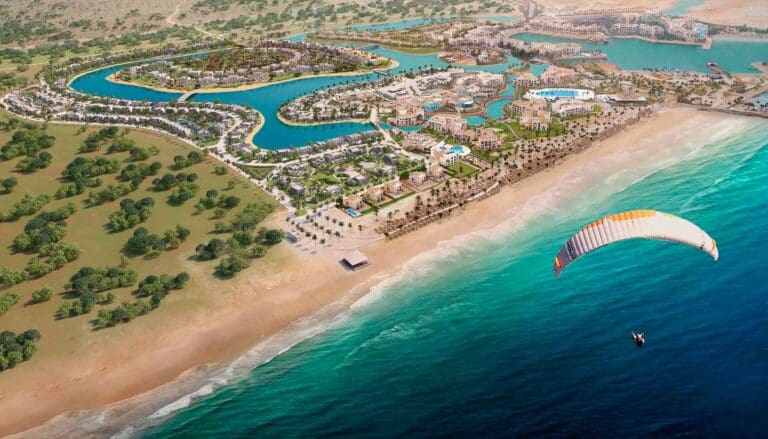
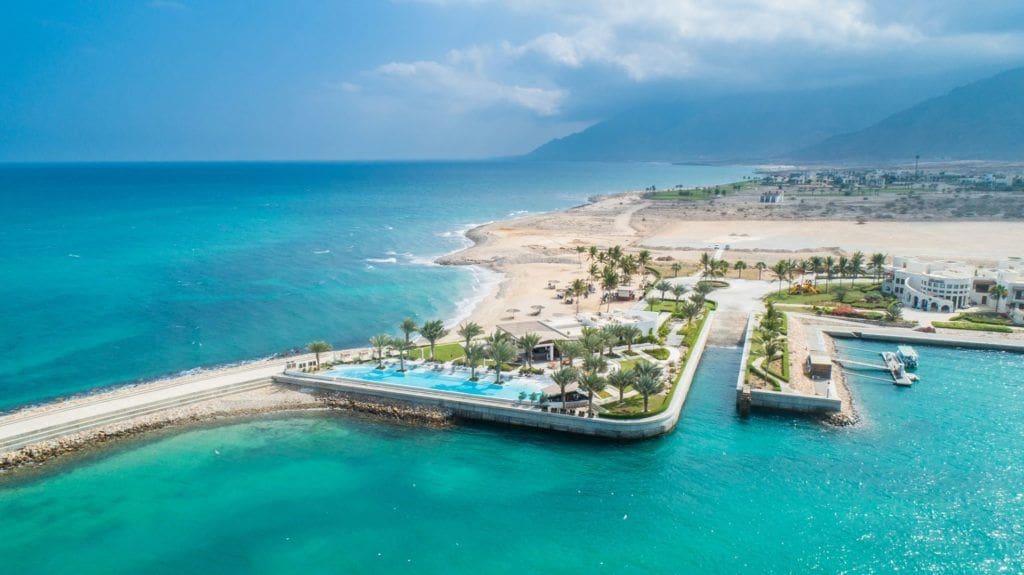
Jebel Sifah. A large coastal ITC about 35-40 minutes south of Muscat, developed by Muriya (Orascom Development 70%, OMRAN Group 30%). The 6.2 million sqm project includes 7 km of beachfront, a 9-hole golf course, a marina, hotels, restaurants and retail. It offers some of the most affordable entry points for foreign freehold ownership in Oman.
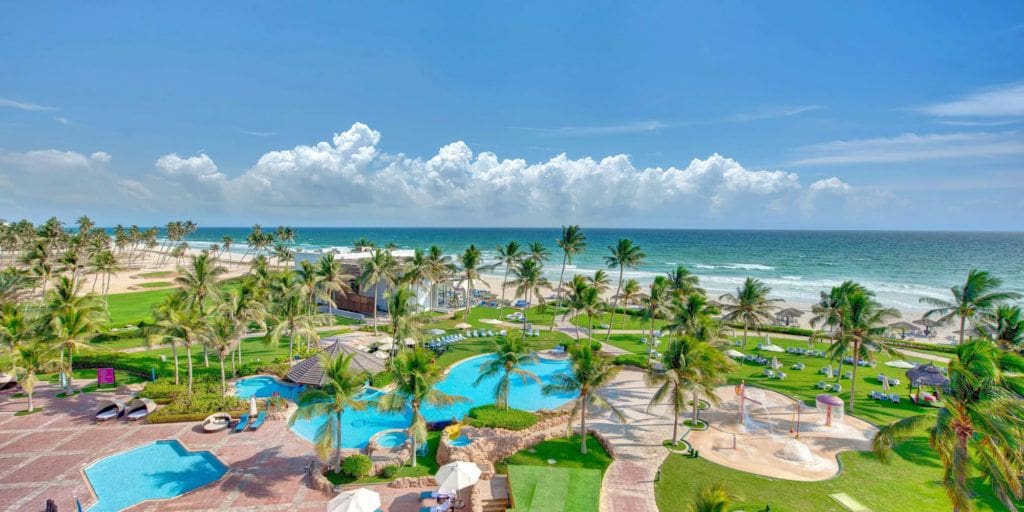
Salalah (Hawana Salalah). The main city of Dhofar, around 1,000 km from Muscat (about 1.5 hours by air). Its monsoon-driven Khareef season (June to September) attracted over 1 million visitors in summer 2024, up 8.7% year on year. Hawana Salalah, developed by Muriya, stretches along 13.6 km of coastline with 5-star resorts, a marina and a water park, which suits short-term rental strategies.
Area
Developer
Distance
Est. gross yield
Muscat (AIDA / Yiti)
DarGlobal
About 25 km from central Muscat
5-8% (ITC apartments)
Muscat Bay
OMRAN Group and Eagle Hills
About 15 km from central Muscat
5-8% (ITC apartments)
Jebel Sifah
Muriya
About 40 minutes from Muscat
7%+ (1BR)
Salalah (Hawana Salalah)
Muriya
About 1.5 hours from Muscat by air
7-9% (short-term rental)
Area
Key features
Price level
Units Available
Al Mouj Muscat (The Wave)
Largest ITC in Oman; marina, golf course, Kempinski and Misk hotels; mature resale market with strong liquidity; about 2.2M sqm masterplan
OMR 80,000-300,000+ (2BR to villas)
Muscat Hills
Golf-focused ITC community in the hills above central Muscat; apartments and villas; established community with good amenities
OMR 60,000-250,000
Sultan Haitham City
Government-backed urban development near Muscat; USD 2.6B Phase 1; large residential pipeline; primarily targets Omani buyers but growing investor interest
Off-plan; primarily domestic market
Duqm SEZ
Industrial and logistics hub on the Arabian Sea coast; 30-year corporate tax exemption; significant FDI; mainly commercial and industrial focus
Commercial / industrial focus
The buying process in Oman is relatively simple and can be completed remotely. Foreign ownership is limited to approved ITC developments, and all transactions are recorded with the Ministry of Housing and Urban Planning through the Amlak digital system.
- Select a property within an approved ITC (freehold title or 99-year usufruct).
- Due diligence and legal review with a licensed agent and Omani legal counsel. This can be managed remotely via power of attorney, and foreign documents require embassy attestation.
- Sign the Sales and Purchase Agreement. The deposit is typically 10% for off-plan, and terms vary by developer.
- Title deed registration takes 1-2 weeks and is issued in the buyer’s name via the Amlak digital registry.
Mortgages. Foreign buyers who hold Omani residency can access local mortgages, typically with loan-to-value (LTV) ratios of 65-75% and interest rates between 5% and 7.5%. Non-residents are usually limited to 60-70% LTV. For off-plan ITC properties, most buyers use developer payment plans, which usually run over 2-3 years and often start with a 10% down payment.
The ITC market is driven by a small group of established developers, many supported by OMRAN Group, whose involvement provides regulatory stability and infrastructure support.
- Muriya: a joint venture between Orascom Development (70%) and OMRAN Group (30%), developing Jebel Sifah and Hawana Salalah.
- Eagle Hills: Abu Dhabi-based developer behind Muscat Bay, delivered in partnership with OMRAN Group.
- OMRAN Group: the government’s tourism development company, both developer and strategic partner in major ITC projects.
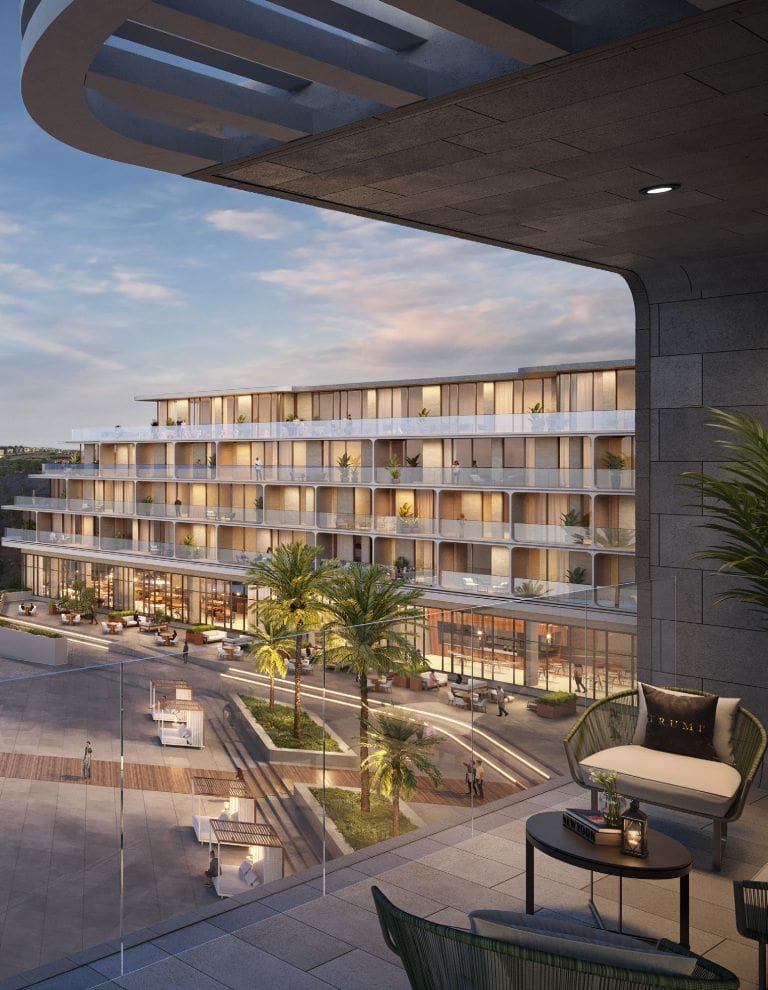
- DarGlobal: luxury developer active in AIDA/Yiti, delivering branded residences such as the Trump International Hotel and Trump Cliff Villas.
Route
Flight time
Notes
Units Available
Dubai to Muscat
About 1 hour
Multiple daily flights; also accessible by road via the Al Ain border (about 4 hours)
London to Muscat
About 7.5 hours
Direct service with Oman Air and British Airways; also served by most Gulf carriers
Muscat to Salalah
About 1.5 hours
Multiple daily domestic flights; Salalah International Airport serves direct international routes
Oman Vision 2040 is the country’s long-term development plan, led by Sultan Haitham bin Tarik. Its main goal is to reduce reliance on oil. Tourism plays a key role and supports demand for short-term rentals, especially in coastal ITC communities.
90%
Share of the economy expected to come from non-oil sectors by 2040
11 million
Annual visitors targeted by 2040
9
Industrial zones in the plan
4
Free economic zones in the plan
Oman offers a lifestyle that stands out in the Gulf, combining dramatic landscapes, strong cultural heritage and a slower pace of life. Muscat ranked 5th globally among the best cities for expatriates in the InterNations Expat Essentials Index 2024.
- Nature: Wadi Shab (turquoise pools and a waterfall cave), Wadi Darbat and Mughsail Beach in Salalah, the Hajar Mountains with Jebel Shams (3,009 m), Wahiba Sands and the Musandam Fjords.
- UNESCO World Heritage Sites: Bahla Fort, Bat, Al-Khutm and Al-Ayn, the Aflaj Irrigation Systems, the Land of Frankincense and the Ancient City of Qalhat.
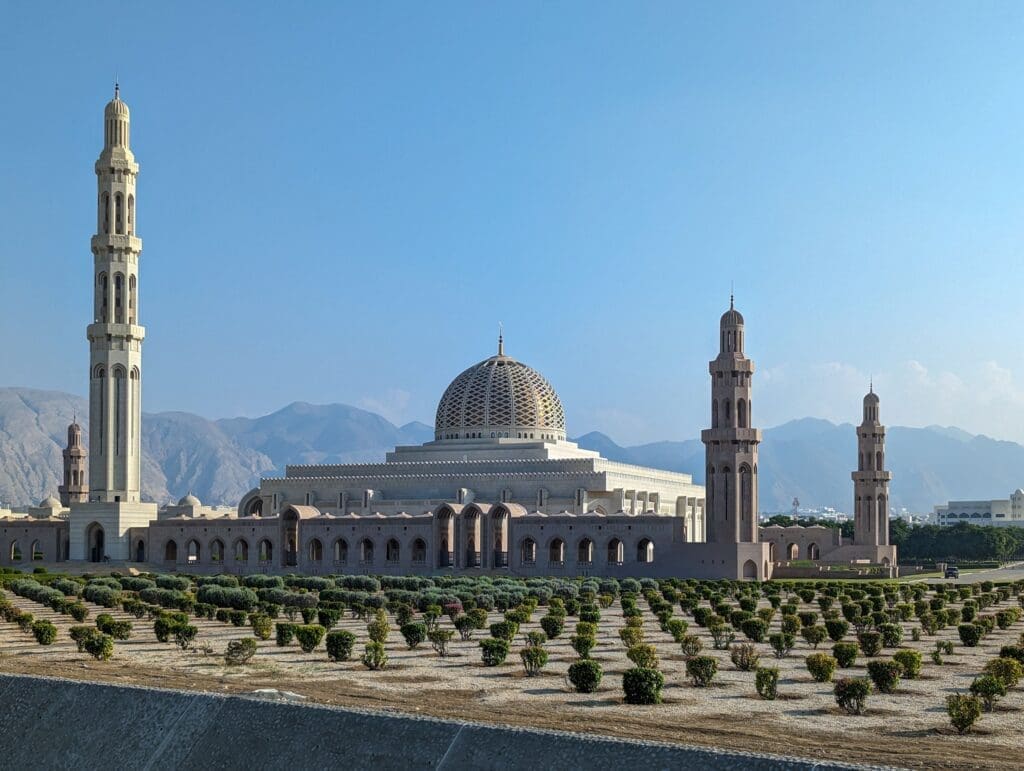
- Culture and city life: Sultan Qaboos Grand Mosque, Royal Opera House Muscat, the National Museum of Oman, Muttrah Corniche and Souq, and Al Hoota Cave near Nizwa.
Data sources: Cavendish Maxwell (May 2025); NCSI Oman, Residential Property Price Index Q1 2025 and Real Estate Trading Statistics 2023-2024; Mordor Intelligence; Trowers and Hamlins (September 2025); Muriya / OMRAN Group. Last reviewed April 2026.