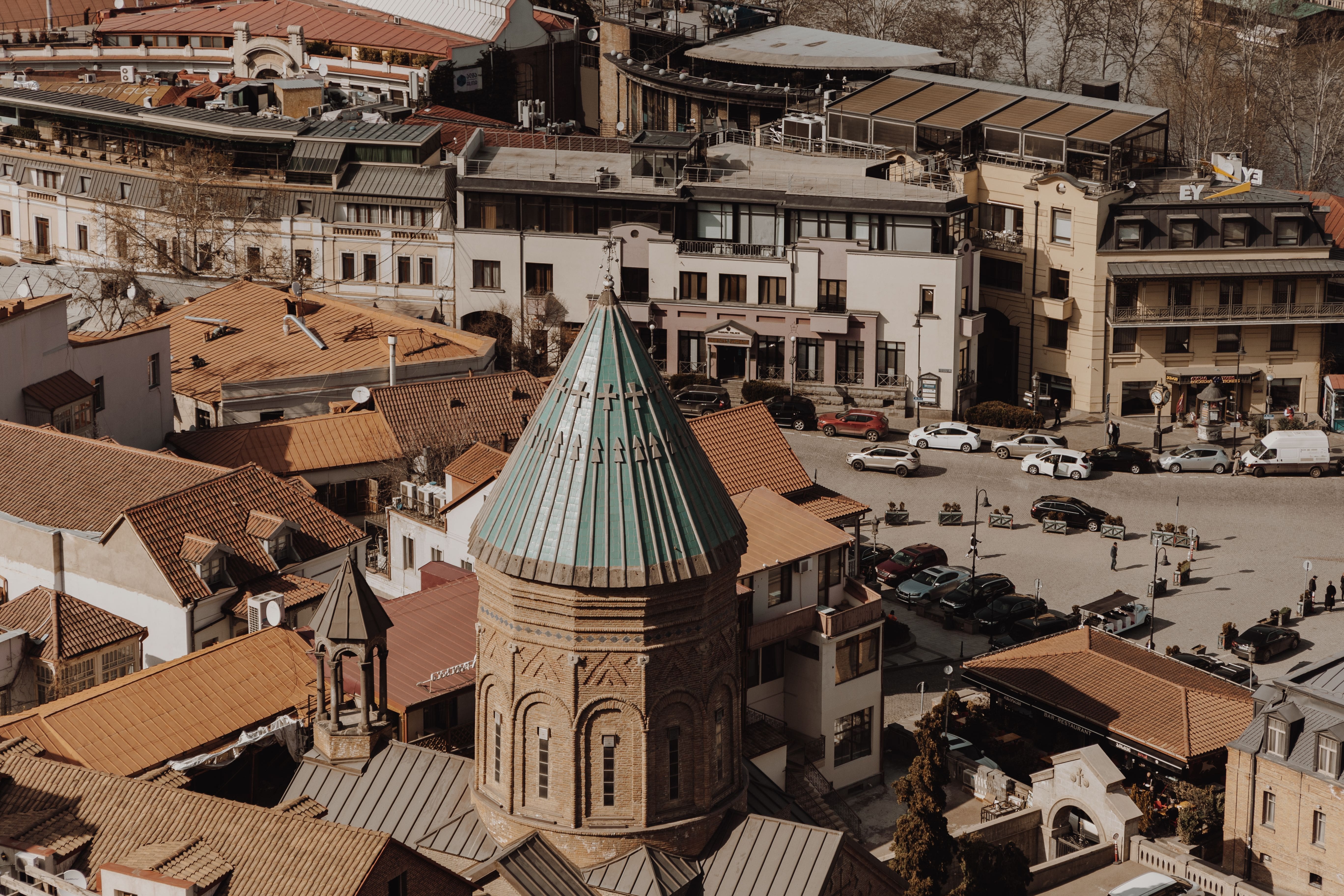
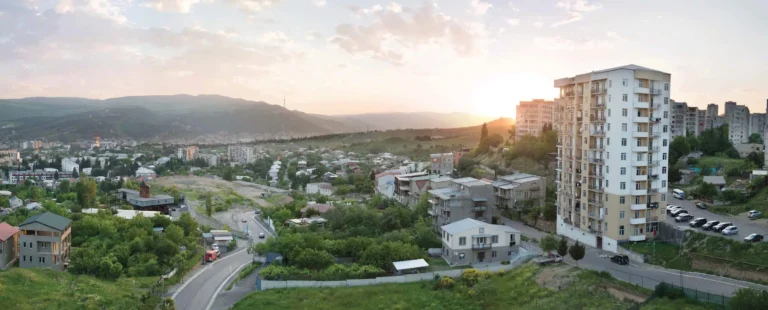
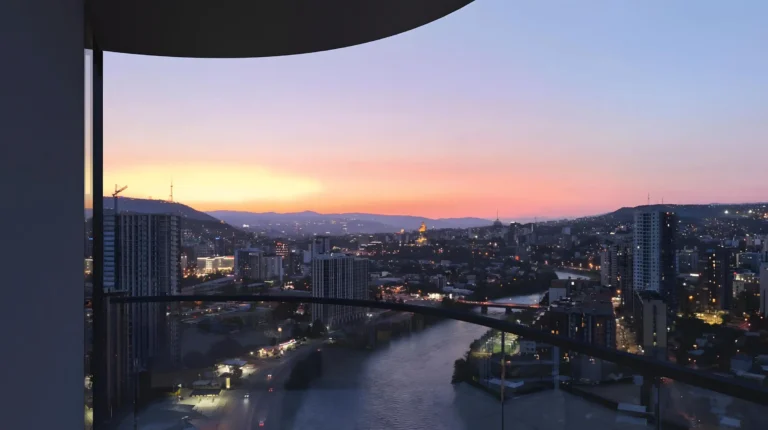
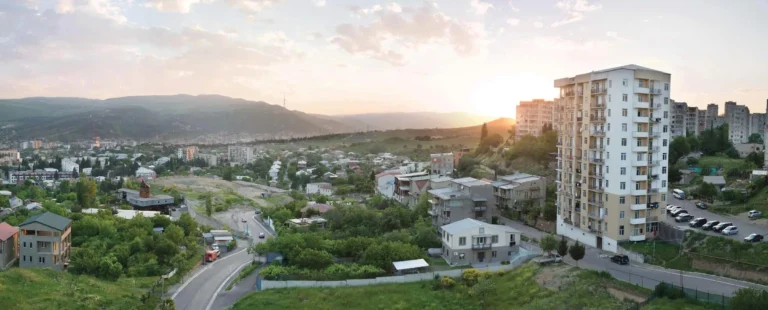
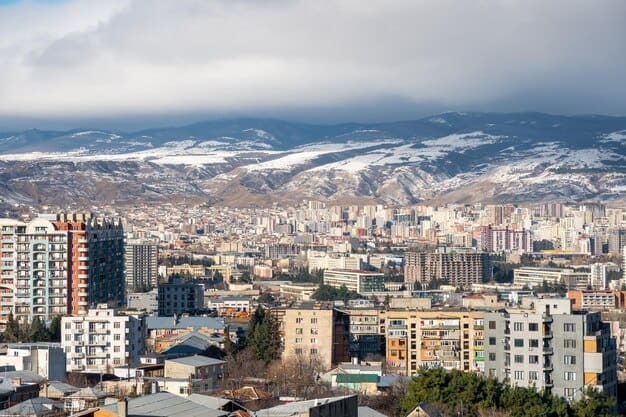
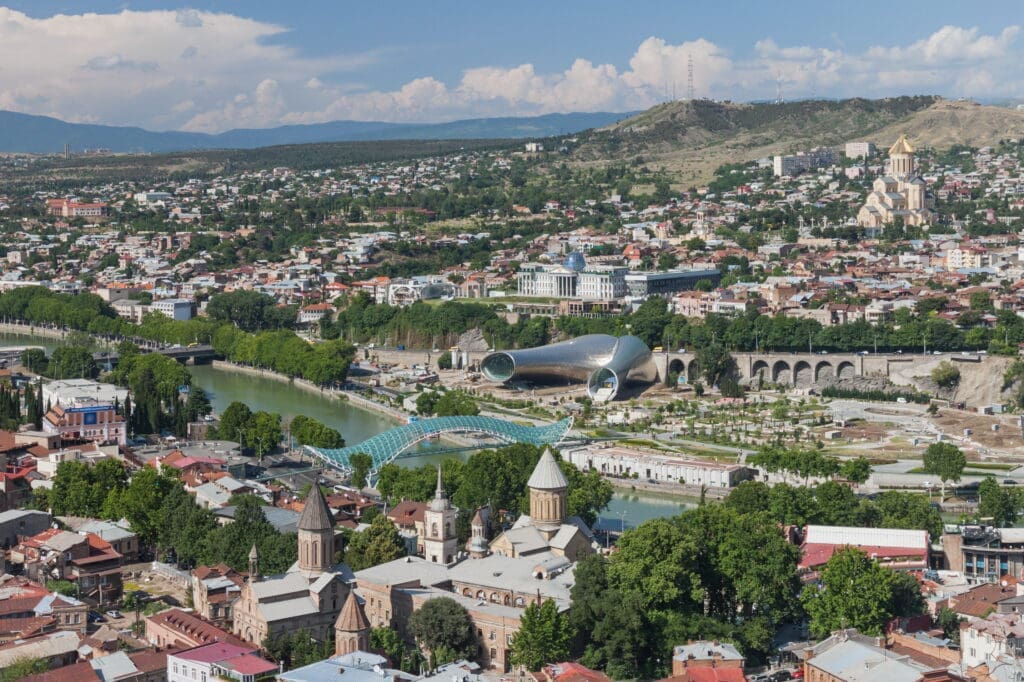
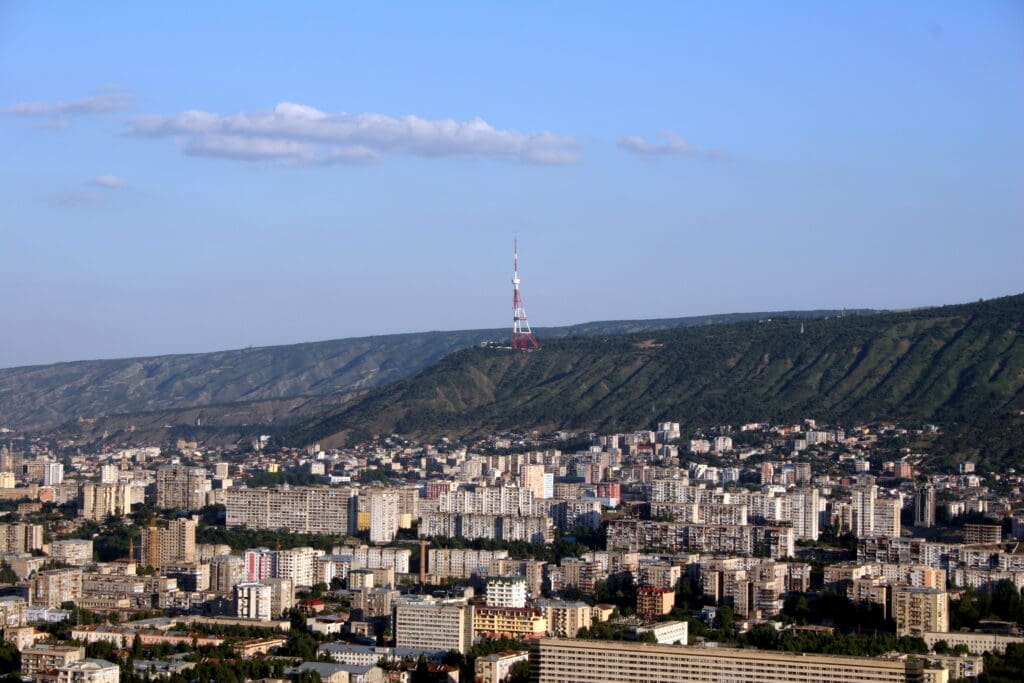
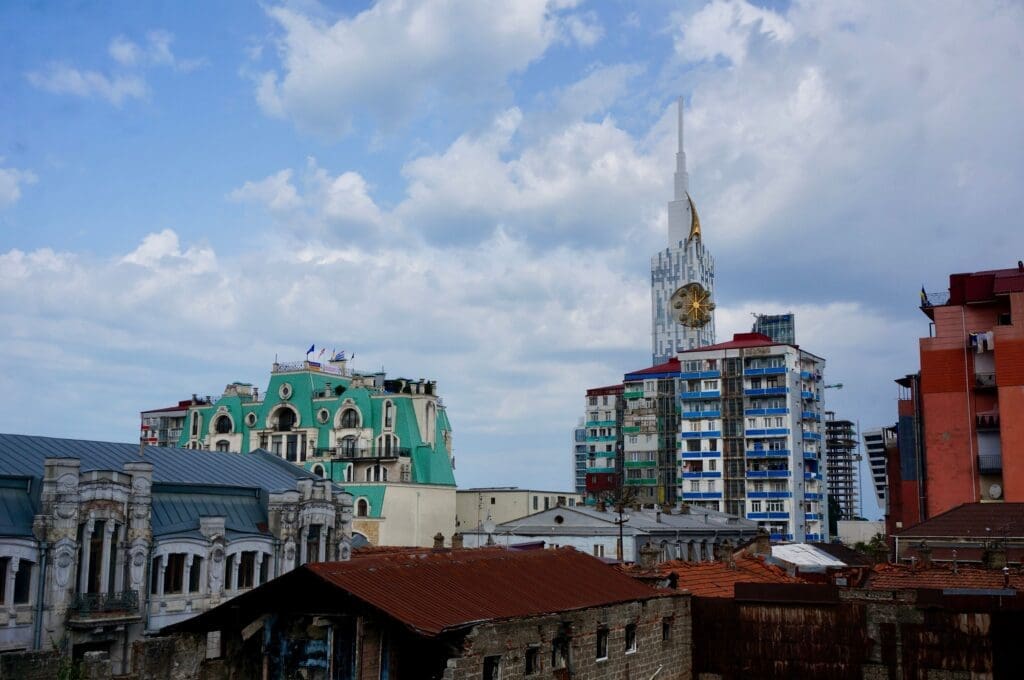
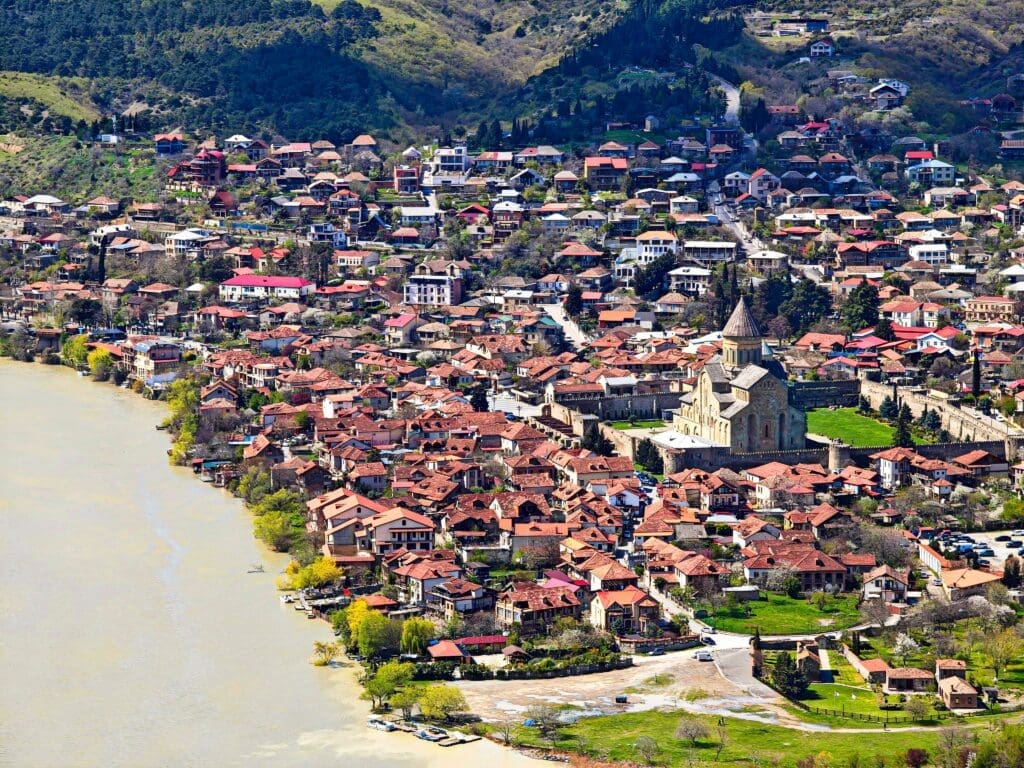
Tbilisi is the capital and largest city of Georgia, with a population of around 1.26 million. It sits on the banks of the Mtkvari River and combines historic architecture in the Old Town with Soviet-era districts and modern residential developments.
What sets Tbilisi apart from many regional cities is the stability of rental demand. The tenant base includes young professionals, students, expats, diplomats and a fast-growing tech workforce that expanded significantly after 2022. This creates consistent year-round occupancy, unlike resort markets.
In 2024, 40,350 apartments were sold in Tbilisi, the highest annual volume on record, accounting for around 72% of all residential transactions in Georgia. New-build prices rose 4.1% year on year to an average of USD 1,312 per sqm. TBC Capital forecasts price growth of around 3.2% in 2026, with overall market volume expected to expand by 4.5%.
USD 1,312
Average price per sqm, new build, 2025 (TBC Capital)
7.42%
City average gross yield, Q1 2026 (Global Property Guide)
40,350
Apartments sold, 2024 record (Galt and Taggart)
+4.1%
New-build price growth, year on year, 2025
Prices vary significantly across districts, from under USD 700 per sqm in outer residential areas to over USD 2,500 in premium hillside locations. The table covers the main investment districts, based on 2025 transaction data.
Metropolitan Insight: Chughureti saw the strongest district performance, with 28.3% price growth in Q1 2025, the highest in the city (Geostat). Old Tbilisi and Abanotubani followed closely, supported by heritage appeal and short-term rental demand. Entry prices in both areas remain around USD 1,000-1,500 per sqm.
Average gross rental yields in Tbilisi stood at 7.78% in Q1 2025, moderating to 7.42% by Q1 2026 as purchase prices rose faster than rents (Global Property Guide). Outer districts tend to deliver higher yields due to lower entry prices, while central locations offer stronger capital stability and tenant quality.
Yield versus capital growth: outer districts (Didi Dighomi, Gldani) deliver the highest gross yields but lower short-term capital appreciation and less resale liquidity. Premium districts (Vake, Mtatsminda) offer stronger long-term capital growth and easier resale but lower yields. Saburtalo is the middle ground, the most liquid district by transaction volume.
Tbilisi’s districts differ in character, price, tenant profile and investment logic:
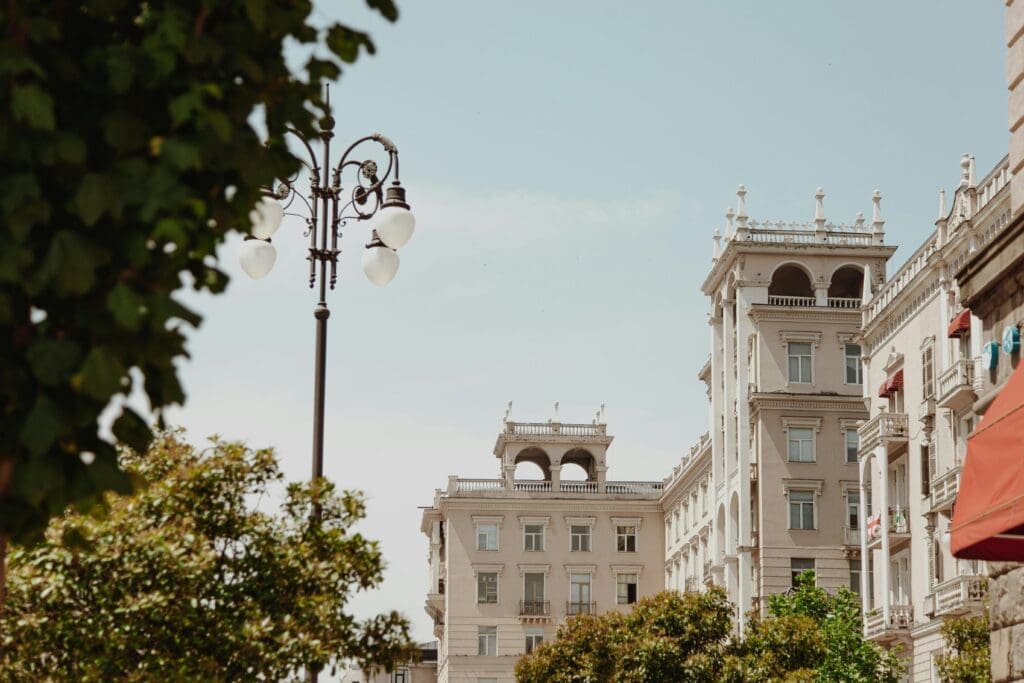
Vake. Tbilisi’s most prestigious district, centred around Chavchavadze Avenue and Vake Park. Home to diplomats, expats and senior professionals, with strong capital stability and easy resale.
Saburtalo. The most active district by transaction volume, with strong infrastructure and metro access. Popular with students, IT workers and expats, with high and consistent rental demand.
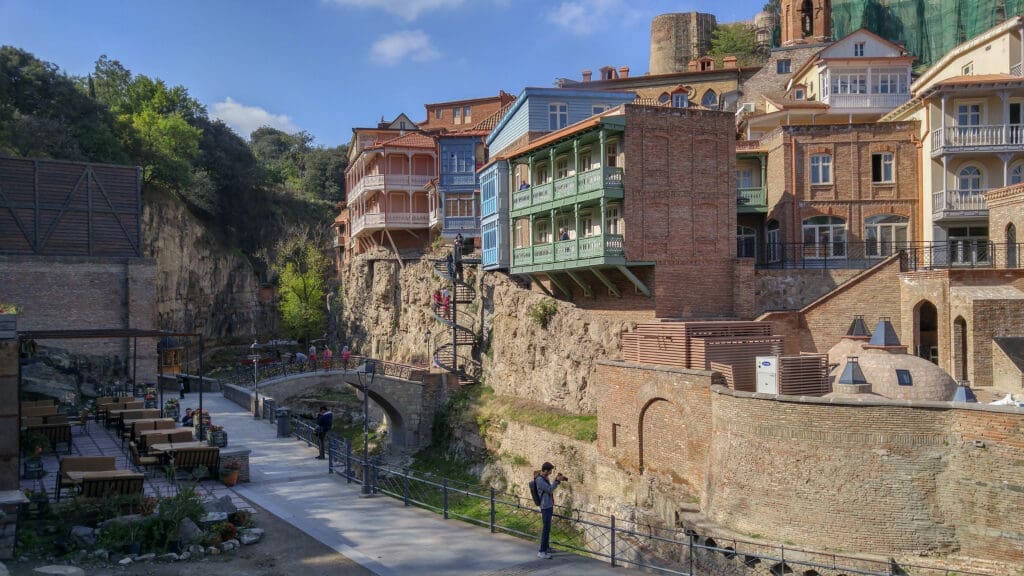
Old Tbilisi / Abanotubani. The heritage centre with bathhouses, cobblestone streets and restored courtyard homes. Strong tourism-driven short-let demand and fast price growth.
Chughureti / Marjanishvili. A fast-developing district with cafes, bars, boutique hotels and the Fabrika creative hub. Popular with young professionals and creatives, with gross yields of around 6-7%.
Vera. A quiet, central neighbourhood between Vake and Rustaveli with strong appeal for long-term expats and families. Gross yields of around 5.5-6.5% and stable long-let demand.
Didi Dighomi. The most affordable major district, with new developments, improving infrastructure and strong long-let demand from local professionals. A metro extension is underway to improve connectivity.
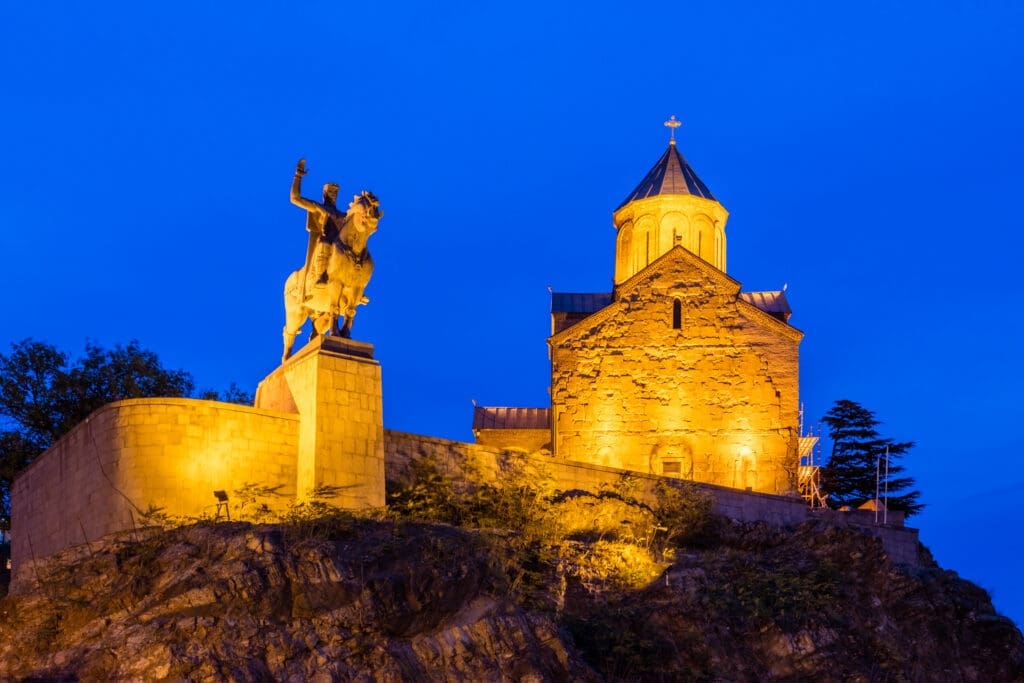
Tbilisi is a compact, walkable city with a UNESCO-listed Old Town, historic sulphur baths, medieval fortresses and a well-known natural wine tradition, alongside a growing nightlife and creative scene.
- Landmarks: Narikala Fortress (4th-century, cable car from Rike Park), Mother of Georgia statue, Holy Trinity Cathedral (Sameba), Abanotubani sulphur baths, Mtatsminda Funicular and Pantheon, Rustaveli Avenue, Dry Bridge Market.
- Food and culture: natural wine bars and cellars, khinkali and khachapuri, Fabrika (a repurposed Soviet textile factory with co-working, bars and design studios), an internationally recognised electronic music scene.
- Daily life: green spaces such as Vake Park, Rike Park and the National Botanical Garden; international schools including QSI and Tbilisi International School; co-working spaces such as Fabrika and Impact Hub.
- Day trips: Mtskheta (20 minutes), Kakheti wine region (1.5 hours), Uplistsikhe cave city (1.5 hours) and Kazbegi (2.5 hours).
Tbilisi International Airport operates year-round routes to over 40 destinations. Within the city there is a metro network of two lines, a bus system and widely available ride-hailing. Tbilisi’s time zone (UTC+4) is the same as Dubai, which makes same-day communication with tenants and managers practical for remote investors.
Data sources: TBC Capital Real Estate Report 2025; Galt and Taggart Georgia Residential Property Report 2024-2025; Global Property Guide; Colliers Georgia (December 2025); NAPR; Georgian Revenue Service. Last reviewed April 2026.